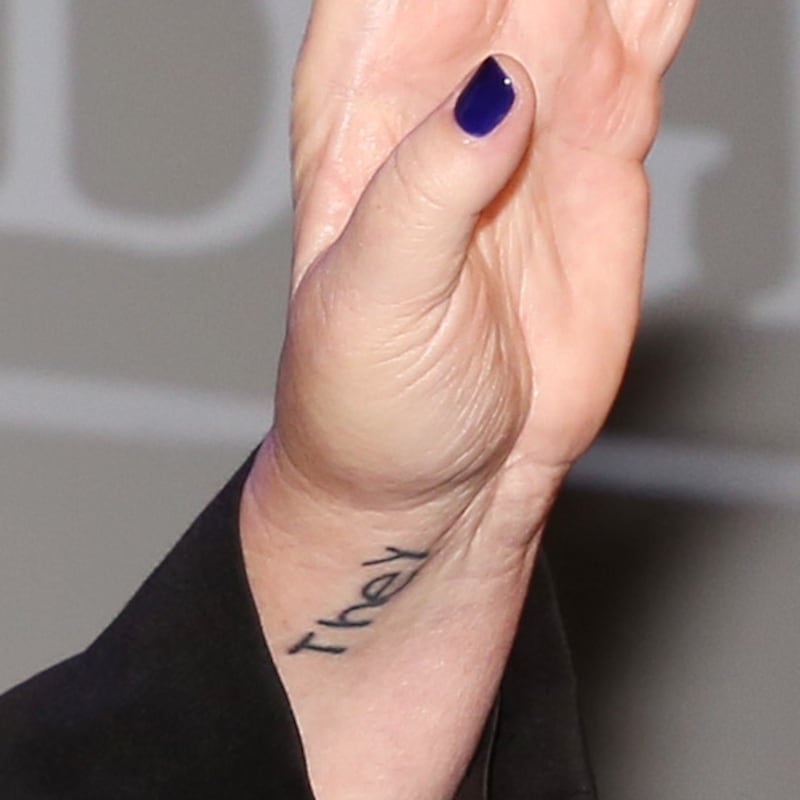
Rosie O’Donnell’s Pronoun Tattoo and What It Says About Family Support
For many families, the hardest part of using the right pronouns is not love. It is memory, habit, and the quiet panic of getting it wrong in public. That is why the story about Rosie O’Donnell getting a they tattoo to help remember her child’s pronouns landed so hard. The mainKeyword here is not just the tattoo. It is the act behind it. A parent used their own body as a reminder to show up correctly, every day, without making the child carry the burden of correction.
That sounds small. It is not. These little acts can shape whether a trans or nonbinary kid feels seen or worn down. And in 2026, when public fights over gender keep spilling into homes, schools, and group chats, the stakes are plain. What does support look like when it leaves the slogan stage and enters real life?
What the tattoo actually means
Rosie O’Donnell has long spoken openly about family and identity. A tattoo with a pronoun is a simple move, but the signal is strong. It says, “I want to get this right, and I am willing to build a permanent reminder if that helps me do it.”
That matters because pronouns are not a side issue. They are part of how people are addressed, recognized, and respected. When parents consistently use the right pronouns, they reduce stress for their children and lower the odds that every conversation turns into a correction session.
Support is not a speech. It is repeated behavior, especially when no one is watching.
Why a small gesture can have a seismic effect
People love grand statements. Kids usually need something more ordinary. They need the parent who remembers, the adult who corrects a relative, the one who does not make the child explain themselves at dinner.
A tattoo is not magic. But it can be a useful cue, like a sticky note on a kitchen cabinet you open ten times a day. The point is not the note itself. The point is the habit it protects.
This is also why pronoun respect is often a test of consistency. One thoughtful post on social media will not help much if the home environment is sloppy or dismissive. A child notices the gap fast.
How families can show support without making it a performance
- Use the right pronouns in private first. That is where habits form.
- Correct yourself quickly. A clean correction beats a long apology.
- Back the child in public. If someone misgenders them, step in.
- Build reminders that fit your life. Notes, phone labels, contact names, or yes, even a tattoo.
- Let the child set the pace. Some want quiet support. Some want visible advocacy.
Look, families do not need a perfect script. They need follow-through. Without that, even good intentions start to feel like theater.
Rosie O’Donnell and the limits of symbolism
Here is the thing. A tattoo is personal, but it is still symbolic. It does not replace listening. It does not fix past mistakes. And it does not excuse a parent from doing the daily work of getting names and pronouns right.
But symbolism has value when it points to action. Rosie O’Donnell’s choice may be visible, even dramatic, yet it is anchored in a practical goal. Remember the child. Reduce friction. Show that care is active, not abstract.
That is why the story resonates beyond celebrity news. It gives people a concrete example of what allyship can look like at home, not just on a profile page. And honestly, that is where the real test lives.
A lesson for parents, relatives, and friends
If you are trying to support someone’s gender identity, start with memory aids and end with respect. One without the other is thin ice.
Ask yourself: what do you do when you are tired, distracted, or in front of other people? That is the moment that tells the truth. A sticker on a mirror, a phone note, or a tattoo can help, but only if it supports a deeper commitment.
Parents often say they are still learning. Fine. Learning is part of the job. But the child should not have to grade the effort every week.
Why this story sticks
The appeal of this story is not celebrity polish. It is the plainness of it. A parent saw a recurring need and chose a lasting reminder. That is ordinary care with a visible edge.
And maybe that is the part worth keeping. Not the ink. The intention behind it. If support is real, it should show up in memory, language, and action. What would it look like if more adults treated pronoun respect as a daily habit instead of a one-time statement?
Next step: If you support a trans or nonbinary person, pick one concrete reminder today and use it tomorrow.