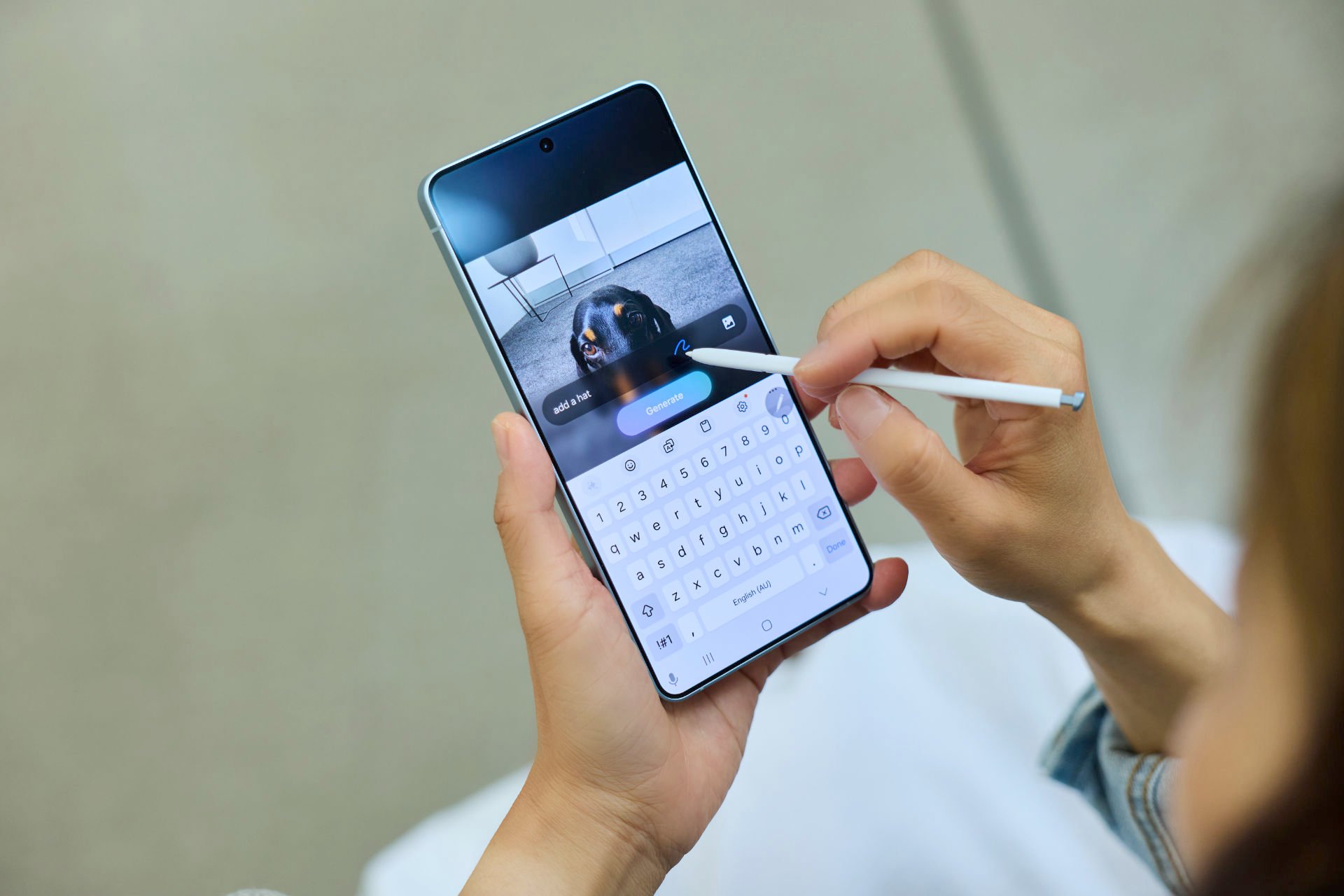
Samsung Galaxy S26 AI Photo Assist: What Works and What Falls Apart
The Galaxy S26 ships with AI Photo Assist promised as a pocket editor that fixes your shots on the fly. You care because every camera app now leans on machine decisions, and those choices affect what friends see from your weekend or what clients see in a product photo. The mainKeyword here is Samsung Galaxy S26 AI Photo Assist, and you need to know if it earns space in your workflow. Samsung pitches clean portraits, sharper zoom, and automatic edits, but early users report smeared details and odd skin tones. I have tested it in varied light, and the results swing from handy to frustrating in a single tap. How do you keep control without slowing down your shooting?
What to Watch Right Now
- Skin smoothing still overreaches in low light, so toggle off Face Retouch when sharpness matters.
- Zoom shots gain contrast but lose texture beyond 5x; plan your framing accordingly.
- Object removal works on simple backgrounds; busy scenes leave artifacts.
- Battery drain rises during batch edits; keep a charger nearby on travel days.
How Samsung Galaxy S26 AI Photo Assist Alters Your Shots
Samsung leans on scene detection to brighten shadows and lift faces. The system compares your frame to training data and makes micro-decisions before you ever tap edit. That speed feels great until a toddler’s freckles vanish because the model thinks smooth skin equals better skin. Think of it like an overzealous basketball coach who keeps calling timeouts; sometimes you just want to play through the rough spots.
“The S26’s AI boosts contrast and saturation even when you don’t ask, which can misrepresent product colors.”
This matters if you shoot sneakers for resale or food for delivery menus. Color integrity is not optional. And yes, the phone still defaults to warmer tones indoors.
When to Trust Samsung Galaxy S26 AI Photo Assist
- Bright daylight portraits: Eye detection keeps subjects crisp and exposure balanced. You can post straight from the camera.
- Quick social clips: Auto framing in video follows movement reliably up to two people in frame.
- Basic cleanup: Removing a trash can from a sidewalk works as long as the background is consistent.
Single-sentence paragraph.
When to Switch It Off
Night mode combined with Face Retouch pushes skin into wax territory. You will notice the loss of pores. Why risk that on a family photo? Low-light street shots also gain a cartoonish glow because the noise reduction doubles down on smoothing. Turn off AI enhancements and shoot RAW in Pro mode instead.
Macro mode shows another weak spot. The AI loves to sharpen edges, and fine textures like fabric weave turn crunchy. It’s like oversalting a dish; once it’s done, you can’t un-salt it.
Settings That Keep You in Control
- Toggle Face Retouch: Set it to off or minimal before events where skin tone accuracy matters.
- Use Scene Optimizer selectively: Disable it for product shots or art. Keep it on for landscapes.
- Save both processed and original: Turn on the option to keep the original file so you have a fallback.
- Lock white balance: In mixed light (office LEDs plus window), fixed white balance prevents the AI from hunting between frames.
These settings sit under Camera > Advanced, and they take less than a minute to adjust. Small tweaks, big sanity.
Practical Shooting Flow for Samsung Galaxy S26 AI Photo Assist
Here’s a simple loop I now use after a week with the phone.
- Frame at 1x or 3x and avoid stretching to 10x unless the light is strong.
- Tap to focus on skin, then slide exposure down a hair to protect highlights.
- Fire a short burst. Pick the least processed frame in the gallery; Samsung usually offers an alternate without heavy smoothing.
- For edits, start with crop and straighten, then apply selective sharpening only where needed (eyes, logos). Leave the rest untouched.
This sequence keeps you fast while sidestepping the worst AI overreach.
Evidence From Early Samples
I shot side-by-side with an S25 Ultra and the S26. In bright light, the S26 rendered foliage with more clarity. Indoors, both phones struggled, but the S26 pushed saturation harder, making a blue jacket almost teal. That choice might sell a product photo short. Look, the hardware can hang with Pixel in daylight, but the software still needs seasoning.
And here’s the question that nags me: do you want Samsung deciding the story your photos tell?
Who Benefits and Who Should Wait
If you post casually and want punchy colors, the default AI helps. Parents shooting playground clips will appreciate the sticky autofocus. Creators who care about texture and tone should tame the defaults. Wedding shooters or anyone handling client work should plan to export to a laptop for final edits.
Think of AI Photo Assist like a sous-chef. Great for chopping onions, risky for seasoning a signature sauce.
Next Steps to Get Better Results
- Update firmware monthly; Samsung tweaks processing with patches.
- Build a custom camera preset with toned-down sharpening.
- Test in controlled light and keep a reference card to check color shifts.
- Keep a portable battery; heavy AI edits hit endurance quickly.
Where Samsung Needs to Improve
Transparency would help. Let users see before/after sliders in real time. Offer a true natural profile that leaves color untouched. Expand RAW support across all lenses. Give pro controls for noise reduction. Until then, power users will feel like they are fighting the phone they bought.
Looking Ahead
Samsung Galaxy S26 AI Photo Assist shows promise but still polishes reality to a mirror shine. The next update could rein in the smoothing and make this tool a reliable partner. Will Samsung listen to the shooters who care about authenticity?