Satya Nadella’s AI Warning for Companies
Companies are rushing to roll out AI, but many are still treating it like a side project. That is a mistake. Satya Nadella’s warning about AI adoption should land hard with any team that thinks a chatbot alone counts as strategy. The real issue is not whether you can bolt AI onto your workflow. It is whether you can use it without creating bad decisions, weak oversight, or wasted spend.
AI governance is now part of basic business discipline. If your team is scaling tools faster than it is setting rules, testing outputs, and assigning ownership, you are exposed. And the risks are not abstract. They show up in customer support mistakes, compliance gaps, sloppy internal analysis, and software that looks smart until it fails under pressure.
- AI needs clear ownership, not ad hoc experiments.
- Bad data and vague prompts still produce bad output.
- Governance matters before scale, not after a failure.
- Most companies need fewer pilots and more discipline.
- Real value comes from repeatable workflows, not hype.
What Satya Nadella’s AI warning really means
Nadella’s warning is not anti-AI. It is anti-carelessness. A lot of companies hear “AI” and think speed, but speed without control is a budget problem waiting to happen. If you deploy models across sales, HR, support, or finance without clear checks, you are asking for messy outputs and unhappy auditors.
Look at the pattern. Teams adopt a tool, celebrate early wins, then discover the hard part is everything around the tool. Data access. Access control. Human review. Logging. Training. Who signs off when the model is wrong?
AI is not a shortcut around management. It makes management more visible.
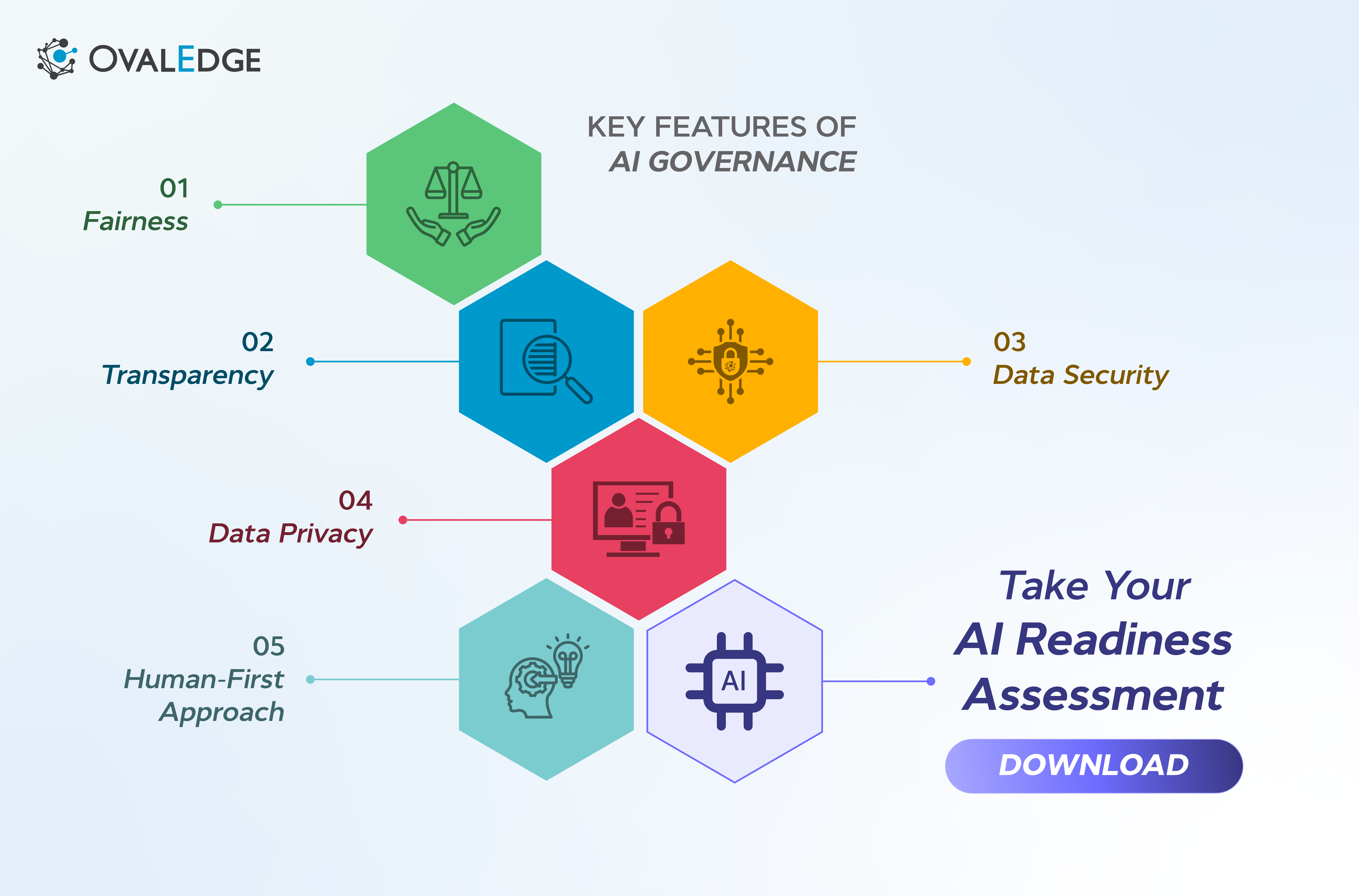
Why AI governance is now non-negotiable
AI governance is the set of rules, reviews, and controls that keep AI use predictable. That includes who can use a model, what data it can see, how outputs get checked, and what happens when something breaks. Without that structure, a model can spread errors faster than a junior analyst on a bad day.
This is especially urgent for regulated industries. Banks, insurers, hospitals, and public agencies face real exposure if AI systems touch sensitive data or influence decisions. The EU AI Act, NIST AI Risk Management Framework, and internal audit requirements all point in the same direction. You need controls before you need excuses.
What to put in place first
- Define use cases. Pick narrow tasks with measurable value.
- Assign owners. Every AI system needs a responsible human.
- Review inputs and outputs. Spot-check quality on a fixed schedule.
- Limit data access. Give models only what they need.
- Log decisions. Keep a record for review and compliance.
Why many AI projects fail before they start
Most AI failures are not model failures. They are process failures. A team buys access to a tool, skips the hard questions, and expects magic. But a model is more like a kitchen than a microwave. Good ingredients matter. So does the cook. Who wants to trust a flashy system if nobody can explain how it gets results?
There is another problem too. Companies often chase broad use cases because they sound impressive. That is usually a trap. Narrow workflows, such as drafting first-pass support replies or summarizing internal notes, tend to show value faster. Broad automation promises more and delivers less.
How to respond if your company is scaling AI now
Start by mapping where AI touches real business decisions. Then rank those uses by risk and impact. A low-risk productivity tool can move fast. A system that influences hiring, pricing, or customer outcomes needs a slower lane.
Here is the practical test I use: if a person would need training, review, and accountability to do the job, the AI system needs the same. Otherwise you are replacing judgment with guesswork.
- Audit current tools. List every AI system in use, even informal ones.
- Classify risk. Separate low-stakes drafting from decision support.
- Set review rules. Decide which outputs need human approval.
- Train staff. Show teams where models fail and why.
- Measure results. Track time saved, error rates, and business impact.
What good AI adoption looks like
Good AI adoption feels a lot less dramatic than vendors claim. It looks boring in the best way. Stable workflows. Clear escalation paths. Measured gains. No one is bragging about a moonshot, but the team is saving hours and making fewer mistakes.
That is the point. Companies do not need more AI theater. They need systems that fit their actual operations. Nadella’s warning cuts through the noise because it pushes leaders back to first principles. What problem are you solving, who owns the outcome, and how will you know the machine is helping?
What companies should do next
The next move is simple. Stop treating AI as a general upgrade and start treating it like a governed capability. Put controls around the systems you already use, then expand only when the process is solid.
Some teams will resist that pace. They will call it slow. But slow is cheaper than cleaning up a bad deployment. And if your AI plan cannot survive a basic audit, what exactly are you scaling?