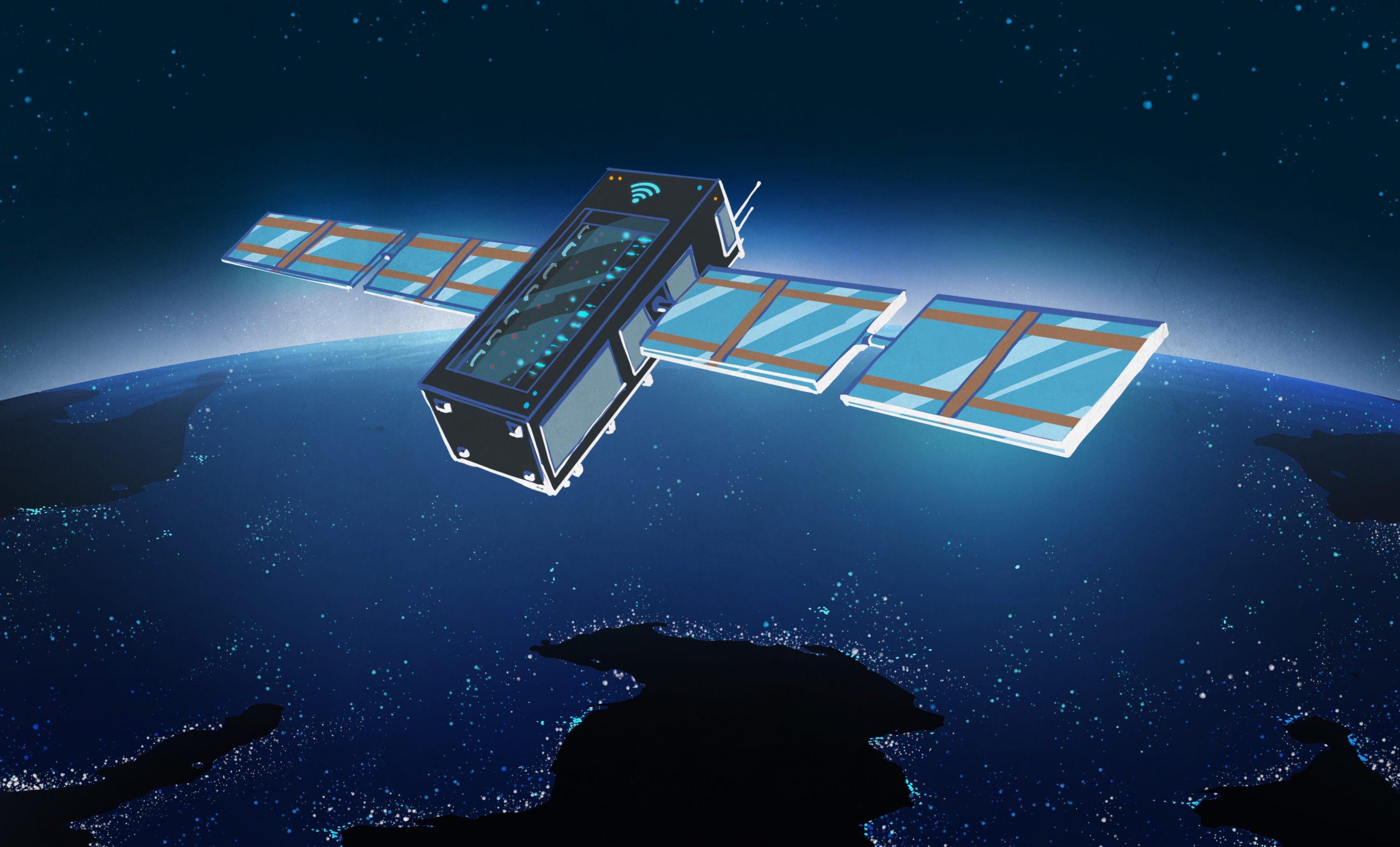
Space Data Centers and Sam Altman’s Trash Talk
Sam Altman likes bold bets, and space data center ideas are right in his wheelhouse. The pitch sounds clean enough. Put compute in orbit, use solar power, dodge land use fights, and feed the AI boom with a fresh source of capacity. But space data center talk runs into the same hard wall every time. Physics. Cost. Heat. Launch risk. Maintenance. If you build systems for AI at scale, you cannot hand-wave those away because the slide deck looks futuristic.
That is why this debate matters now. The AI industry is already straining power grids, cooling systems, and supply chains for chips. So when a high-profile founder floats orbital infrastructure, people listen. But what do you actually get beyond the sizzle? And what problem does a space data center solve that a better terrestrial one cannot?
What stands out in the space data center debate
- The energy story is incomplete. Solar power in orbit sounds elegant, but turning that into usable, reliable compute is far harder than the pitch suggests.
- Cooling is the real choke point. In space, you cannot dump heat with a simple fan and a bigger HVAC unit.
- Economics still look brutal. Launching and servicing hardware off Earth is expensive, and AI hardware has a short useful life.
- The idea is not crazy, just premature. Some niche workloads may fit, but large-scale AI training is a different beast.
- The hype cycle is ahead of the engineering. That gap has a habit of swallowing clean-sounding infrastructure plans.
Why the space data center pitch sounds better than it works
Here’s the thing. A data center is not just a box of servers. It is power delivery, thermal management, networking, repairs, redundancy, and physical access. Strip out Earth’s infrastructure and every one of those pieces gets harder. That is the part the glossy version skips.
Launch costs have come down over time, but “cheaper than before” is not the same as “cheap enough for general AI compute.” AI hardware also ages fast. By the time you design, launch, and stabilize an orbital system, the chips inside may already be behind. That is a nasty mismatch.
Space is a tough place to run anything that needs frequent upgrades, constant repairs, and high bandwidth. AI infrastructure needs all three.
What experts keep pushing back on
Most skepticism falls into three buckets. First, heat rejection. On Earth, you can move heat into air or water. In orbit, you need radiators that add mass and complexity. Think of it like trying to run a busy kitchen without a vent hood. The stove still works. The room becomes unusable.
Second, maintenance. Server failures happen. Fans fail. Storage fails. Connectors fail. In a terrestrial data center, a technician can swap parts in minutes. In space, every repair is a mission. That changes the whole operating model.
Third, networking. AI training depends on fast, stable links and large data flows. Getting that in orbit, with low latency and high throughput, is possible in pieces. But at the scale frontier labs want, it is still a headache. Why add another bottleneck to a system already under pressure?
Where a space data center could still make sense
There are a few narrow cases where orbital compute may have legs. Earth observation processing could happen closer to the data source. Certain defense or remote sensing workloads may value location over cost. And if future launch systems slash prices again, the math could shift.
But that is not the same as replacing terrestrial AI clusters. It is closer to adding a specialty lab than building a new industrial standard. The difference matters. A lot.
- Start with low-volume, high-value tasks. Do not jump straight to frontier model training.
- Design for autonomy. Anything that needs regular human intervention is a weak fit.
- Assume hardware turnover will be slow. If your chip roadmap depends on yearly refreshes, orbit is a bad bet.
- Test network assumptions early. Bandwidth promises have a way of shrinking under real conditions.
The business case is still the knife edge
Investors love a moonshot, but customers buy outcomes. If orbital compute cannot beat Earth-based options on price, reliability, or access, it stays a curiosity. And let’s be honest, a curiosity with a famous backer gets a lot more airtime than it deserves.
That does not mean the idea should be mocked out of the room. It means it should be measured against ordinary constraints. Every serious infrastructure plan should answer the same question: what do you gain that you cannot get on Earth?
Right now, the answer looks narrow.
What this says about the AI infrastructure race
The deeper story is not really about orbit. It is about desperation for compute. The AI boom has created a shortage mindset, and shortage mindset invites wild proposals. Some will age well. Most will not.
That is where Sam Altman matters. He has a talent for making the improbable feel executable. Sometimes that is useful. Sometimes it is just theater with better branding. The trick for the rest of us is to separate the useful signal from the noise. Look at the constraints, not the charisma.
What to watch next
If you want to know whether space data centers are moving from hype to engineering, watch three things: launch economics, thermal design, and servicing plans. If those do not improve together, the whole concept stays brittle. Could orbital compute become real for a few specialized jobs? Sure. Will it replace the racks already filling terrestrial campuses? Not anytime soon.
That is the bet to watch. And the next version of this story will not be won by the loudest pitch, but by the first team that can keep servers alive in orbit without turning the economics into a punchline.