Skydio CEO on Autonomous Drones, China, and Military Red Lines
Autonomous drones are moving from demo reels into real work, and that shift raises a hard question for buyers, regulators, and the military. If your drone can fly itself, map a site, and avoid obstacles with little operator input, what else should you worry about? Supply chain risk, foreign hardware, and who controls the software all sit right on top of the product promise. That is why Skydio autonomous drones matter right now. They are not just another gadget story. They sit at the intersection of defense, public safety, and geopolitical tension, which makes every design choice feel loaded.
The Verge podcast conversation with Skydio CEO Adam Bry makes that tension plain. He frames autonomy as a practical tool, not a sci-fi stunt, while drawing firm lines around China and military use. That mix of engineering and politics is the real story here. And it is worth paying attention to before the market hardens around a few vendors and a lot of assumptions.
What stands out about Skydio autonomous drones
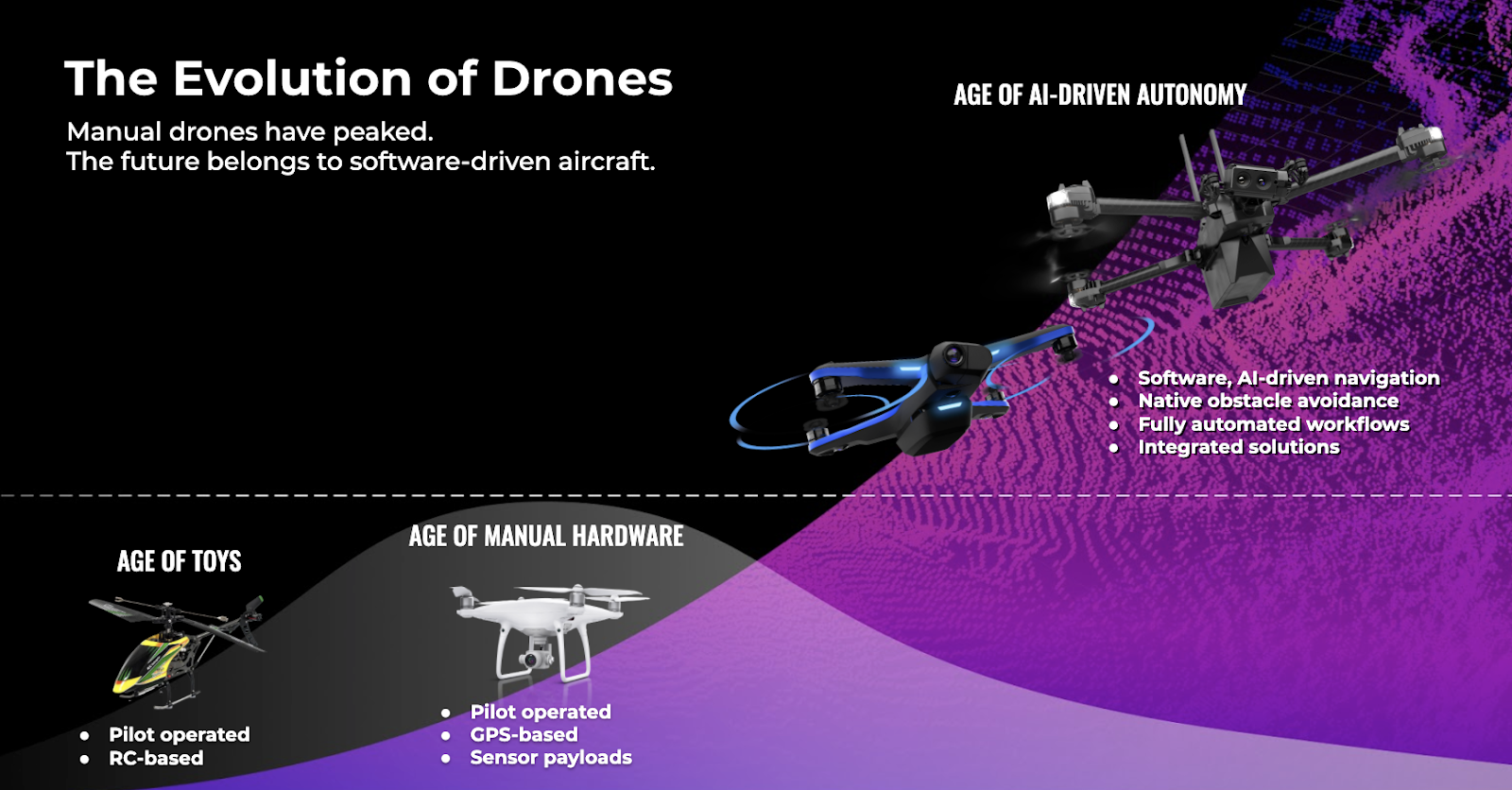
- Autonomy is the product. Skydio sells obstacle avoidance and self-directed flight as the core value, not a side feature.
- Supply chain choices matter. Bry has taken a hard stance on China-linked hardware risk.
- The defense market is complicated. Military buyers want capability, but they also want trust.
- Software is the moat. Flight intelligence is harder to copy than frames and rotors.
- Policy is now part of the product brief. Procurement teams cannot ignore where components come from.
Why autonomy changes the drone conversation
For years, drones were mostly sold on camera quality, flight time, and range. That is still part of the pitch, but autonomy changes the job. If a drone can track a subject, inspect a structure, or fly a repeat route without constant stick work, you reduce operator load and training friction. That is a real advantage for police departments, utilities, and construction crews.
Look, this is not magic. It is closer to a self-parking car than a fully self-driving one. The system handles a narrow set of tasks well, which is enough to save time and lower mistakes. But once autonomy gets good enough, the buyer starts asking different questions. Who writes the software updates? What happens if the fleet depends on cloud services? And who can inspect the stack end to end?
“The drone market is no longer only about hardware. It is about trust, control, and whether the company can stand behind the entire system.”
Skydio autonomous drones and the China question
Bry’s red line on China reflects a broader trend in U.S. tech procurement. Federal agencies and contractors have spent years moving away from suppliers that create national security headaches. The Federal Communications Commission has flagged security concerns around certain Chinese telecom and video products. Congress has also pushed agencies to limit risky vendors in sensitive systems.
That does not mean every foreign component is banned. But it does mean drone makers face a tougher bar than before. If a drone is flying over infrastructure, border zones, or public safety scenes, buyers want fewer unknowns. That pressure changes the competitive field. A cheaper unit can lose if the buyer sees hidden risk.
China is not just a sourcing issue here. It is a trust issue. And trust is expensive to rebuild once a procurement team starts asking where the chips, sensors, radios, and firmware came from.
What the military actually wants from Skydio autonomous drones
The military does not buy hype. It buys reliability, repeatability, and control. That means autonomous drones have to do more than impress at a trade show. They need to work in ugly weather, in jammed environments, and under pressure from adversaries who actively try to break them. That is a very different test from consumer flight.
- Survivability. Can the system keep working when GPS is weak or blocked?
- Security. Can the buyer verify software behavior and data handling?
- Logistics. Can the fleet be supported without foreign dependency?
- Training. Can soldiers or operators use it fast enough to matter?
That list tells you why Skydio’s pitch has traction. Its autonomy stack can reduce the burden on operators, which matters when teams are short on time and people. But military procurement is a brutal filter. If a system is excellent in one condition and shaky in another, the buyer will notice. Fast.
Why this market may split in two
The drone market looks like it may bifurcate. One lane serves consumer and commercial buyers who care about price, ease of use, and decent automation. The other lane serves government and defense buyers who care about provenance, security, and resilience. Those buyers may overlap on features, but they do not weigh risks the same way.
That split is not a footnote. It shapes what companies build next. A firm chasing public safety contracts may invest in secure fleet management and on-prem software. A firm chasing volume may optimize for lower cost and wider compatibility. Same airframe category, different business logic.
Think of it like building kitchens for two restaurants. One wants fast casual lunch service. The other runs a tasting menu and needs exact control over every step. Same ingredients, different discipline. Drones are heading there too.
What buyers should ask before they buy
If you are evaluating autonomous drones, do not stop at the demo flight. Ask the ugly questions. They are the ones that save you later.
- Where are the chips, radios, and cameras sourced?
- Can you run critical functions without a cloud connection?
- How are software updates signed, audited, and delivered?
- What data leaves the device, and who can access it?
- Can the vendor explain its security posture in plain English?
That is the filter. Not a glossy brochure. Not a stunt video. Real systems have to survive procurement, legal review, and field use. If a vendor cannot answer those questions cleanly, walk away.
Ask for the boring details. They are the only details that matter when the drone is in the air and the clock is running.
Where Skydio autonomous drones go from here
Skydio has positioned itself as a serious U.S. player in a market that is getting less forgiving by the month. The company’s bet is that autonomy plus supply chain discipline can beat cheaper alternatives, especially where security matters. That is a defensible position. It is also a hard one.
The next test is whether the market rewards that discipline at scale. Will public agencies pay more for fewer headaches? Will defense buyers keep pushing for domestic trust and stronger software control? Or will price pressure pull the industry back toward the usual race to the bottom?
That is the real story now. Not whether drones can fly themselves, but which companies can prove they should be allowed to.
What to watch next
Keep an eye on procurement language, not marketing copy. If buyers start writing stricter rules around component sourcing, software control, and data handling, Skydio’s approach gets stronger. If those rules stay loose, the market may reward cheaper systems first. Which way it goes will say a lot about how much autonomy is really worth.