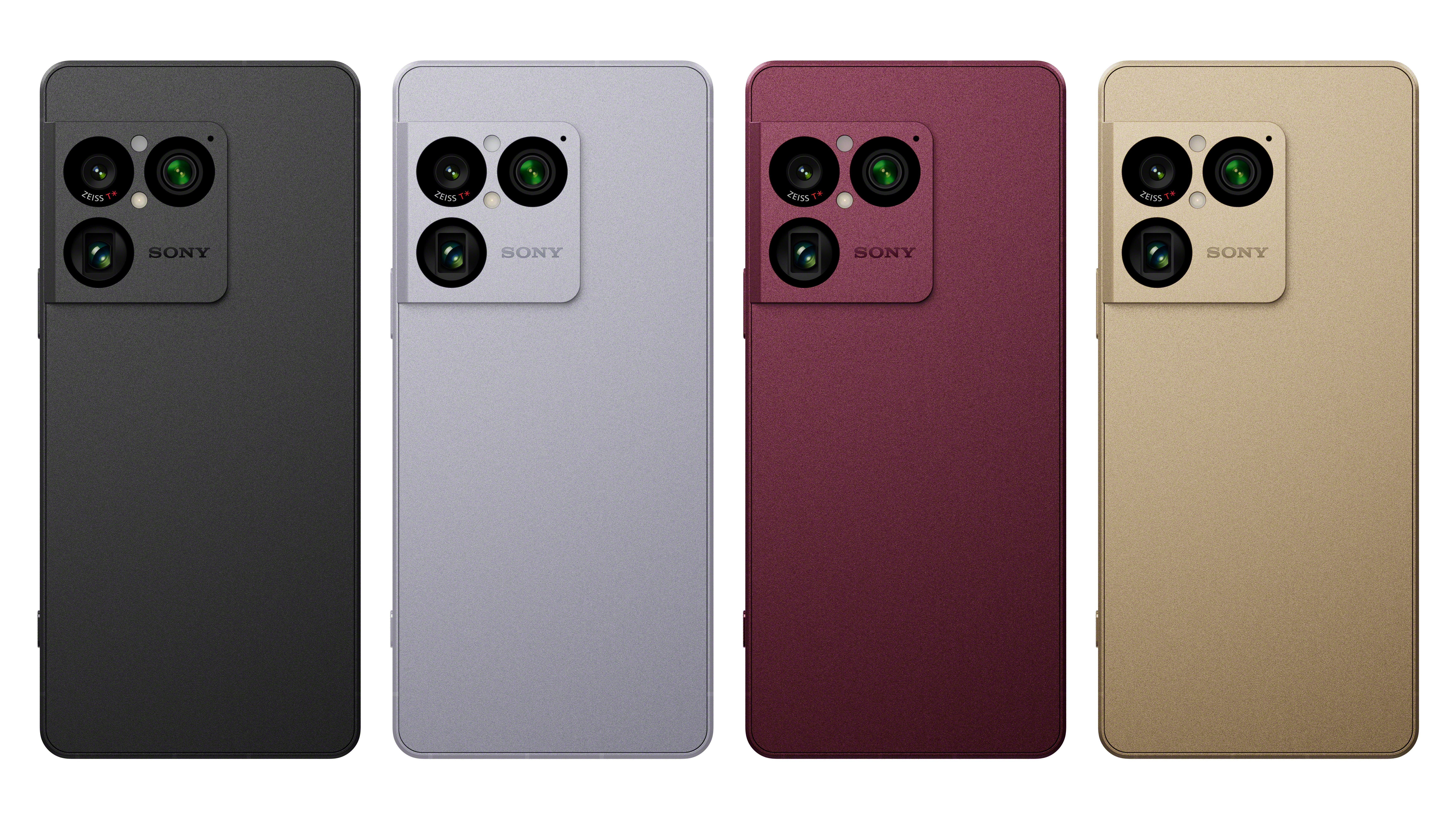
Sony Xperia 1 XIII AI Camera Assistant Explained
Phone camera software keeps getting pitched as the fix for missed shots, awkward framing, and shaky clips. Most of it sounds bigger than it is. The Sony Xperia 1 XIII AI camera assistant matters because Sony is trying a different angle right now. Instead of tossing in gimmicks, it is aiming at a real pain point you probably know well. You want a clean photo or usable video without stopping to fiddle with settings while the moment slips away. That is where Sony says its new assistant steps in, with AI tools that help track subjects, improve framing, and lower the odds of user error. The promise is simple. Spend less time managing the camera, and more time actually shooting. But does that hold up once you look past the product pitch?
What stands out
- Sony is positioning the Xperia 1 XIII AI camera assistant as a practical shooting aid, not a novelty feature.
- The focus appears to be subject tracking, composition help, and easier capture for solo creators and casual users.
- This fits Sony’s long-running camera strategy, which borrows from its Alpha camera line instead of copying every smartphone trend.
- The real test is whether the software helps without taking too much control away from you.
What is the Sony Xperia 1 XIII AI camera assistant?
The Sony Xperia 1 XIII AI camera assistant is best understood as a layer of software guidance built around mobile photography and video capture. Based on reporting from The Verge, Sony is using AI to help with scene analysis and shooting support rather than pitching some vague all-purpose assistant.
That distinction matters. A lot of smartphone AI talk is fuzzy on purpose. Sony seems to be saying, more or less, that the phone can help you keep a subject framed and make recording easier when you are moving, filming yourself, or trying to capture action quickly.
Sony’s pitch is less about replacing your judgment and more about covering the small mistakes people make when shooting on a phone in a hurry.
Honestly, that is the smarter bet.
Why Sony thinks the Xperia 1 XIII AI camera assistant matters
Sony has had a weird place in the phone market for years. Its Xperia phones often earn respect for camera hardware and pro-style controls, but they have also asked more from the user than Samsung, Apple, or Google usually do. If you know what you are doing, that can be great. If you just want a solid result fast, it can be a barrier.
The Sony Xperia 1 XIII AI camera assistant looks like an attempt to close that gap. Think of it like a skilled sous-chef in a busy kitchen. You still decide what dish you want, but someone else keeps the prep work from going off the rails.
And that is the point. Sony is trying to make advanced camera behavior more accessible without flattening the whole experience into one automatic mode.
What problems is it trying to solve?
Most people do not miss shots because their phone lacks megapixels. They miss shots because the subject moves, the framing slips, or they are juggling too many things at once. Kids run. Pets dart. A speaker shifts on stage. You record yourself walking and the image gets messy fast.
Sony appears to be targeting those exact pain points.
- Keeping subjects in frame
AI-assisted framing can help maintain attention on a person or object, which is useful for action, vlogging, and casual family video. - Reducing camera-management friction
You do not always have time to tap settings, adjust zoom, and monitor composition. Automation can smooth that out. - Helping less experienced users
Sony phones have often felt like enthusiast tools. Guidance features can make them less intimidating. - Bringing Alpha-style ideas to phones
Sony has a deep bench in autofocus and subject tracking from its mirrorless cameras. It makes sense to push some of that into Xperia devices.
How this fits Sony’s camera identity
Sony has never looked fully comfortable chasing the same phone-camera script as everyone else. Apple pushes consistency. Google leans on computational photography. Samsung often swings big on feature count and visual punch. Sony, by contrast, has spent years talking like a camera company that happens to make phones.
That can be refreshing. It can also be frustrating.
This new AI assistant suggests Sony knows it needs to meet regular users halfway. Not every buyer wants to think like a photographer. Some just want the phone to recognize what matters in the frame and react quickly. Who can blame them?
The larger idea here is sensible. Keep Sony’s camera credibility, but trim some of the friction that has made Xperia phones feel niche.
Will the Sony Xperia 1 XIII AI camera assistant actually help?
Maybe, but this is where phone-camera promises usually hit the wall. AI features sound great in a demo. Real life is messier. Bad light, cluttered backgrounds, multiple moving subjects, and uneven skin tones are where software either earns trust or burns it.
Here is what would make this feature genuinely useful:
- Fast subject recognition that does not lag behind motion
- Stable framing support that avoids odd cropping or jumpy reframing
- Predictable behavior so you know when the camera will step in
- Easy override options for users who want control back right away
If Sony nails those basics, the assistant could be a real asset for creators, parents, and travelers. If it over-corrects or behaves inconsistently, it becomes another feature people turn off after a week.
What this means for AI in smartphone cameras
The broader trend is clear. AI in phones is shifting from flashy image tricks toward workflow help. That is a healthier direction. Instead of obsessing over synthetic edits that make photos look unreal, companies are starting to ask a more grounded question. Can the software help you get the shot in the first place?
This is where Sony may have a credible angle. It already has years of autofocus and tracking experience through its Alpha cameras and image sensor business. That does not guarantee success on a smartphone, but it gives the company a more believable story than a generic AI label slapped on a press release.
Look, camera assistance is only valuable if it disappears into the act of shooting. You should notice the better result, not the machinery behind it.
Should you care about the Sony Xperia 1 XIII AI camera assistant?
You should care if you like Sony’s camera ambitions but have found Xperia phones a bit demanding. This feature seems built for the gap between full manual control and simple point-and-shoot behavior. That is a large gap, and Sony has left it open for too long.
If you are a mobile creator, the value could be even clearer (especially if you shoot yourself often). Smarter framing and tracking can save retakes, and retakes are what drain time.
Still, the phone market is brutal. Helpful AI camera tools are becoming table stakes, not a selling point by themselves. Sony does not just need a decent assistant. It needs one that feels sharper, faster, and less intrusive than what buyers can already get elsewhere.
The real question from here
Sony is making a sensible move by using AI to solve camera friction instead of inventing one more feature nobody asked for. That is the good news. The harder part comes next, because usefulness is a much tougher standard than novelty.
If the Xperia 1 XIII AI camera assistant can quietly help you frame better shots and keep up with real movement, Sony may finally make its phones feel less like specialists’ gear. If not, it will be one more smart-sounding tool buried in the camera app. The next thing to watch is simple. Does this AI help you shoot faster, or does it just give Sony one more line for the spec sheet?


