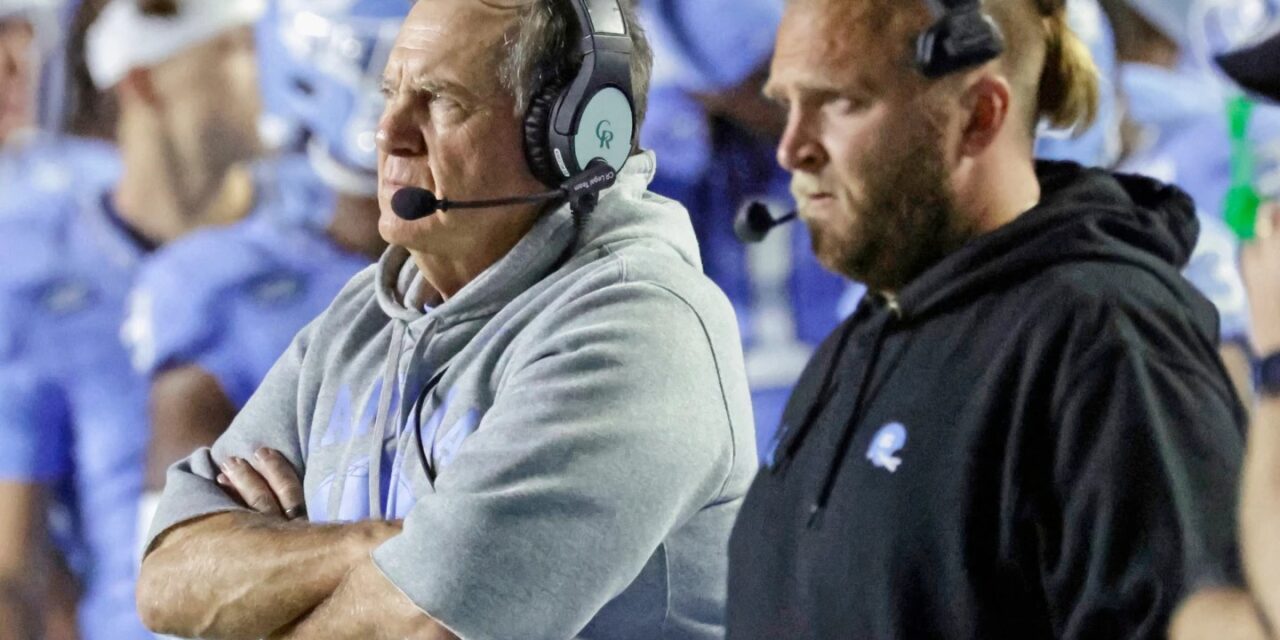
Steve Belichick UNC Resignation: What the Probe Ending Means
You want the straight version of a messy college football story. The Steve Belichick UNC resignation matters because it touches three pressure points at once: staff stability, program culture, and the public scrutiny that follows a famous football name. According to CBS 17, Steve Belichick, the son of Bill Belichick, is set to resign from the University of North Carolina as officials said a culture and climate probe has ended. That phrasing is doing a lot of work. It tells you the review reached a stopping point, but it does not turn the episode into a neat box score. College football programs run on trust, clear reporting lines, and fast decisions. When a staff member exits as a probe closes, fans and administrators read between the lines. Should they? Maybe. But they should also separate confirmed facts from noise.
What Matters Right Now
- Steve Belichick is expected to resign from UNC, according to CBS 17’s report.
- UNC officials said a culture and climate probe has ended, which shifts attention to personnel decisions and program direction.
- The timing invites scrutiny because staff exits tied to internal reviews can affect recruiting, morale, and public confidence.
- Bill Belichick’s name raises the temperature, but the story should still be judged on confirmed institutional facts.
Steve Belichick UNC Resignation: The Confirmed Core
The confirmed core is narrow, and that matters. CBS 17 reported that Steve Belichick is set to resign from UNC as a culture and climate probe ends, citing officials. That gives readers a timeline, not a full internal record.
Here is the thing: college sports stories often get inflated before the paperwork catches up. A resignation tied in time to a probe ending can look seismic, but timing alone does not answer every question. What did the probe review? Who was interviewed? What did UNC conclude? Public reporting has limits unless the school releases more detail.
Do not confuse a headline with a full investigative file. In college athletics, the space between those two can be wide.
Still, the optics are plain. A coach with a famous last name is leaving, and the university has acknowledged the end of a culture and climate review. That combination will keep attention on UNC football well beyond one news cycle.
Why a Culture and Climate Probe Gets Attention
A culture and climate probe usually looks at how people experience a workplace or team environment. In athletics, that can include communication, leadership style, player and staff treatment, internal conflict, and whether people feel safe raising concerns. The phrase is broad by design.
That breadth is useful for administrators, but frustrating for fans. A culture review is not the same thing as an NCAA investigation, and it is not automatically a finding of misconduct. It is closer to an inspection of the plumbing in a stadium. You may not see the pipes from your seat, but if pressure builds in the wrong place, the whole building feels it.
UNC now has to manage both substance and perception.
What the public can reasonably infer
- The university believed the matter was serious enough to review.
- The review has now ended, based on the CBS 17 report.
- Steve Belichick’s expected resignation places the staff situation into a new phase.
- Absent more records, the public should avoid treating assumptions as findings.
Steve Belichick UNC Resignation and Staff Stability
Football staffs are like offensive lines. One change can be managed, but repeated uncertainty changes how everyone communicates. Players ask who is coaching them. Recruits ask who will still be there next semester. Assistants wonder whether their own roles are secure.
That does not mean UNC is in crisis. Programs absorb staff changes every year. But this one carries extra weight because it is connected in the public record to the end of a culture and climate probe. That makes the next hire, or reassignment, more than a routine football move.
What should UNC do next? The smart play is boring and direct:
- Clarify who handles Steve Belichick’s duties in the short term.
- Give players and staff a clear internal explanation within privacy limits.
- Keep recruiting contacts consistent so prospects do not fill gaps with rumors.
- Explain the process for any permanent staff change.
Honestly, silence can be useful in legal matters, but it is risky in recruiting. High school coaches, parents, and transfer targets notice uncertainty fast.
The Bill Belichick Factor
Steve Belichick is not a random assistant in the public eye. He is Bill Belichick’s son, and that fact guarantees national attention. Fair or not, his last name acts like a broadcast amplifier.
But it can also distort the story. Some readers will treat the resignation as a referendum on the Belichick coaching tree. Others will assume UNC’s review says more than officials have publicly stated. Both reactions are too easy.
A better read is more restrained: a prominent staff member is expected to leave, and UNC has closed a culture and climate probe. Those facts are enough to warrant attention without turning the story into folklore.
What UNC Fans Should Watch Next
If you follow UNC football, do not waste time parsing every anonymous rumor. Watch the actions that affect the program on the field and inside the building. Administrative behavior tells you more than fan message boards.
- Staff chart updates: Who takes over the role, even temporarily?
- Recruiting signals: Do commits publicly reaffirm, pause, or reopen talks?
- Player response: Do current players show confidence, or does transfer chatter grow?
- UNC statements: Does the school release more detail about the review’s scope or outcome?
- Practice and game operations: Does the team look organized after the change?
Would a cleaner public explanation help? Yes. But universities often balance transparency against personnel privacy, legal review, and internal policy. That leaves fans with an incomplete picture.
What This Says About Modern College Football
College football programs now operate under a microscope that did not exist a generation ago. Staff disputes, player concerns, and internal reviews can become public stories before a school is ready to speak. The transfer portal and NIL era make that pressure sharper, because roster movement can turn internal uncertainty into competitive damage.
For UNC, the task is simple to describe and hard to execute. Protect privacy, keep the locker room steady, and show recruits that the program has a plan. That is less glamorous than a coaching splash, but it is the work that prevents one personnel story from growing into a season-long drag.
Look, the Steve Belichick UNC resignation is not just a family-name headline. It is a test of how a major athletic department handles a sensitive staff exit in public view.
The Next Move Matters More Than the Headline
The first wave of attention will focus on Steve Belichick and the timing of his expected resignation. The more useful question is what UNC does after the headline fades. If the school communicates cleanly inside the program, steadies recruiting, and makes a credible staffing decision, this story may shrink fast.
If it does not, the culture and climate probe will keep casting a shadow. UNC does not need a perfect public script. It needs a steady one, starting with the people in the building who have to practice, coach, and recruit tomorrow.


