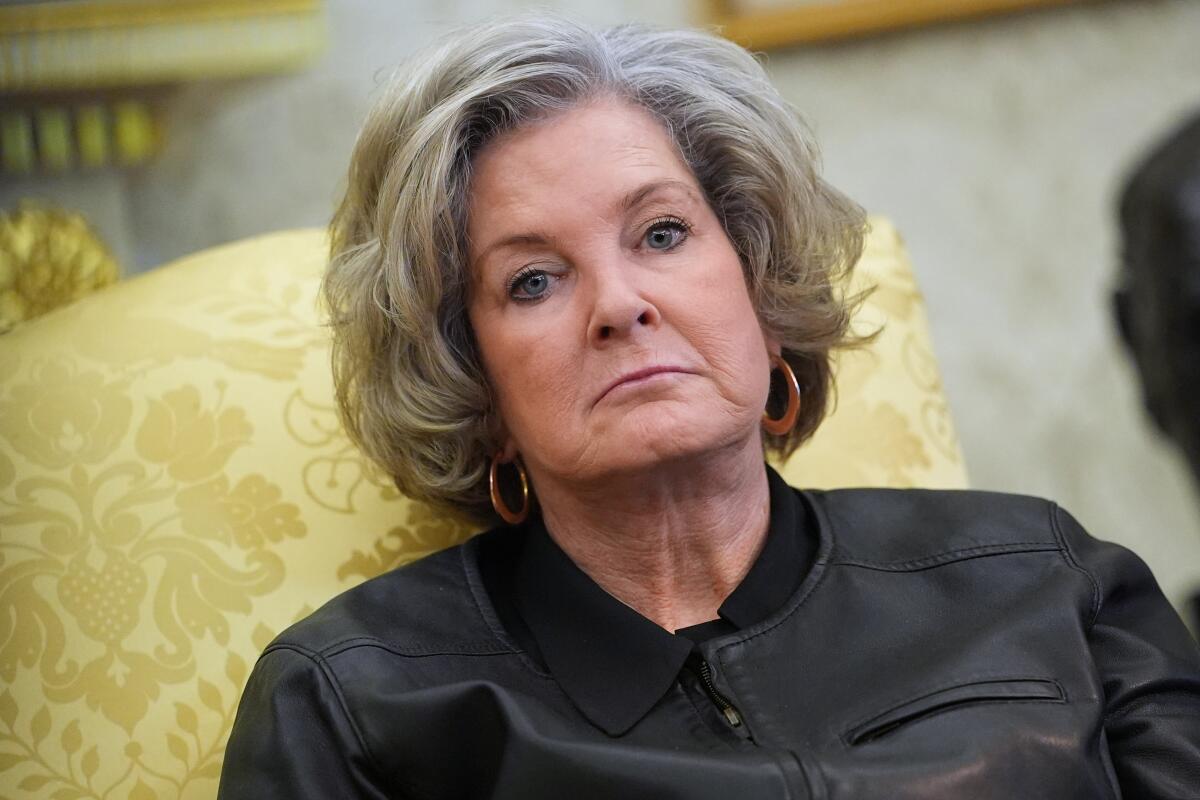
Susie Wiles Breast Cancer Story Shows What Chemo Really Takes
You hear that a public figure is getting cancer treatment, and the instinct is to fill in the gaps. That is risky. The recent USA TODAY opinion piece about Susie Wiles breast cancer treatment puts a private medical ordeal in a public frame, which matters because millions of families recognize the pattern: diagnosis, decisions, chemo, side effects, work, fear, and an inbox full of unsolicited advice. Public details about Wiles’ care remain limited, as they should. Still, her story gives readers a useful reason to talk about what chemotherapy can involve, why breast cancer treatment is rarely one-size-fits-all, and how to support someone without turning their illness into political theater. Honestly, that last part may be the hardest for Washington.
What Stands Out
- Privacy still matters. A public job does not make medical details public property.
- Chemotherapy is not one treatment. Drugs, timing, side effects, and goals vary by diagnosis.
- Breast cancer care is usually a team effort. Surgery, oncology, imaging, pathology, and primary care may all play roles.
- Support beats speculation. The best response is often practical help, not armchair medicine.
Susie Wiles Breast Cancer and the Problem With Public Guesswork
Political figures attract commentary the way a phone attracts fingerprints. A cancer diagnosis should slow that down, not speed it up. The USA TODAY column uses Wiles’ treatment as a human story, not as a medical chart, and that distinction matters.
What do we actually know from a public essay? Enough to understand that chemotherapy is part of the story, but not enough to diagnose, stage, or judge a treatment plan. That gap is not a bug. It is the line between public interest and private care.
Public cancer stories can help people feel less alone, but they do not give strangers permission to reverse-engineer someone else’s medical record.
Look, I have covered enough high-profile health stories to see the same cycle repeat. First comes sympathy. Then comes speculation. Then comes someone online announcing what the patient should have done, based on half a paragraph and a search result. That helps nobody.
What Chemotherapy Can Mean in Breast Cancer Treatment
Chemotherapy uses drugs to kill fast-growing cells or lower the chance that cancer returns. In breast cancer, doctors may use it before surgery, after surgery, or when cancer has spread. The plan depends on factors such as tumor biology, stage, lymph node involvement, hormone receptor status, HER2 status, age, other health conditions, and patient preference.
In plain English, two people can both say they have breast cancer and still need very different treatment. One may need surgery and hormone therapy. Another may need chemotherapy, targeted therapy, radiation, or some mix of those. A third may enter a clinical trial.
Cancer treatment is more like a kitchen line during dinner service than a single recipe.
Doctors keep adjusting based on test results, tolerance, timing, and goals. If a drug causes severe side effects, the team may change the dose or schedule. If scans or pathology show new information, the plan may shift again. That does not mean anyone failed. It means the care team is responding to the facts in front of them.
Common chemo realities people forget
- Fatigue can be heavy and unpredictable.
- Nausea is often managed better than it was years ago, but it still happens.
- Hair loss depends on the drug regimen, not on willpower or toughness.
- Infection risk can rise because some treatments lower white blood cell counts.
- Work may continue for some patients, while others need major schedule changes.
The American Cancer Society and National Cancer Institute both stress that breast cancer treatment plans are individualized. That is the key point. The headline never tells the whole medical story.
Why Susie Wiles Breast Cancer Coverage Should Stay Human
Here is the thing: illness strips away the illusion that powerful people live outside ordinary biology. Chemo rooms do not care about job titles. Nurses still check vitals, blood counts still matter, and patients still wait for calls they would rather not get.
That shared vulnerability can be useful if coverage handles it with restraint. A public figure’s cancer story can push people to schedule a mammogram, check family history, or ask a doctor about a lump. But the story can also become gossip if the focus turns to stamina, optics, or political advantage.
So what is the better frame? Ask what readers can learn without invading the patient’s life.
- Separate the person from the politics. You can criticize a public official’s work without treating illness as ammunition.
- Avoid reading too much into appearance. Weight changes, wigs, fatigue, and swelling can reflect many things.
- Do not assume prognosis. Chemo does not automatically mean the worst case.
- Respect silence. If a patient shares little, that may be the healthiest choice.
What You Should Do If This Story Hits Close to Home
If the Wiles story makes you think about your own risk, move from curiosity to action. The U.S. Preventive Services Task Force recommends that women at average risk get screened for breast cancer every other year from ages 40 to 74. Some people need earlier or different screening because of family history, dense breasts, prior radiation exposure, or known genetic mutations such as BRCA1 or BRCA2.
Talk to your clinician about your risk, especially if a close relative had breast, ovarian, pancreatic, or prostate cancer. Bring dates if you know them. A vague family story helps less than a simple list of who was diagnosed and at what age.
Practical questions to ask your doctor
- Based on my family history, should I start screening before 40?
- Do I have dense breasts, and does that change my screening options?
- Should I consider genetic counseling?
- What symptoms should prompt a visit before my next routine mammogram?
- If I find a lump, how quickly should I be seen?
And if someone you know is in treatment, skip the miracle cures and vague offers. Bring dinner. Drive them to an infusion appointment. Sit with them during the boring part, which is often most of it. Text, “No need to reply, just thinking of you.” Small, concrete help travels farther than advice.
The Better Way to Read This Story
The strongest lesson from the Susie Wiles breast cancer discussion is not about politics. It is about boundaries, care, and the messy reality of treatment. Public figures can make private illness more visible, but visibility should not become entitlement.
If this story nudges you to do one thing, make it useful: check your screening status, update your family history, or ask a patient in your life what would help this week. The next good move is probably smaller, kinder, and more practical than the online debate suggests.