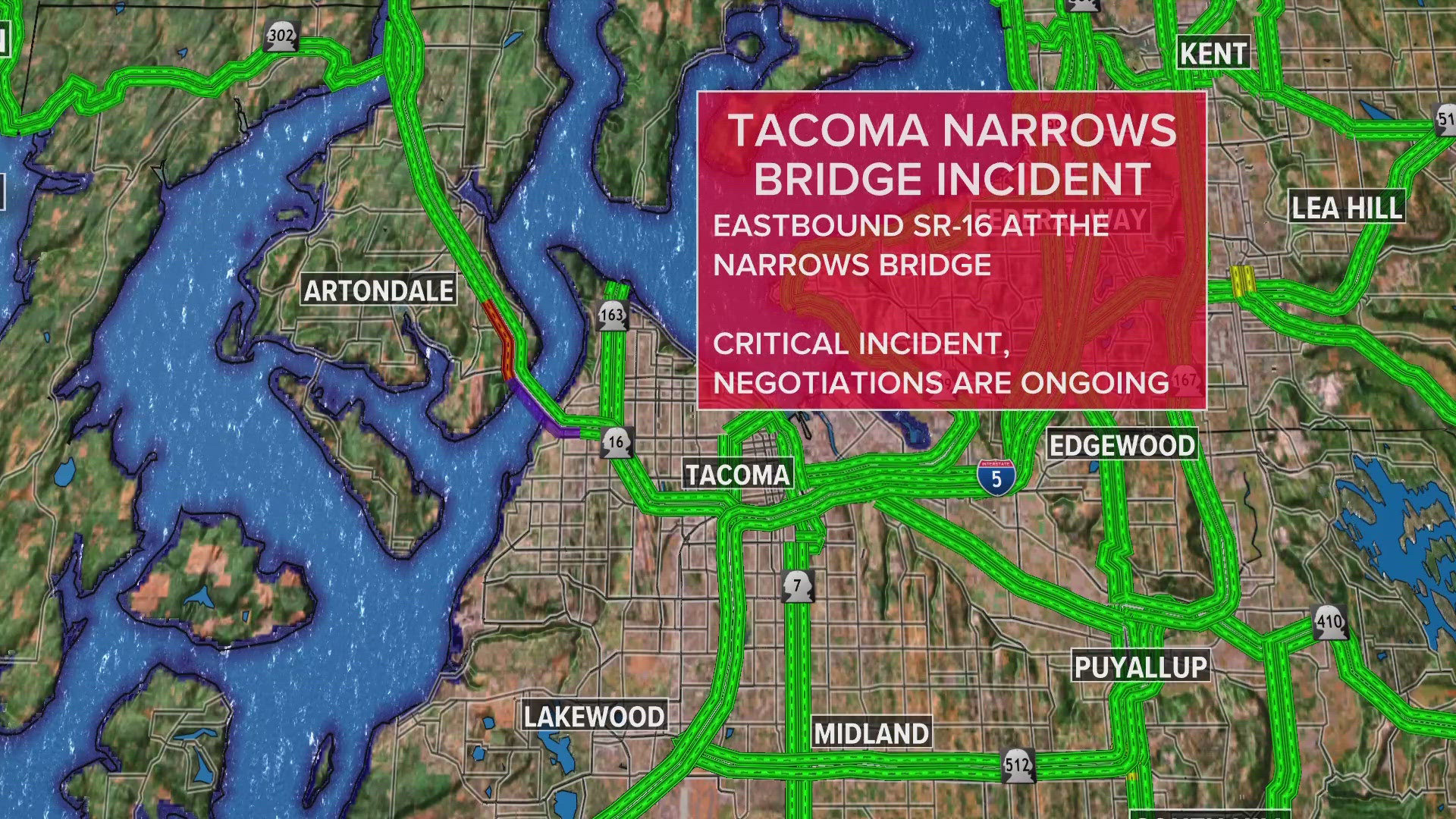
Tacoma Narrows Bridge Eastbound Lanes Closed During Emergency Response
If you were planning to cross the Tacoma Narrows Bridge, the closure of the eastbound lanes during an emergency response could upend your trip fast. The Tacoma Narrows Bridge closure matters because this crossing is a major route for commuters, freight, and anyone moving between Kitsap and Pierce counties. One blockage can ripple through a wide stretch of roads in a hurry. That is why live traffic updates matter here more than usual. Are you checking before you leave, or gambling on a clear lane and hoping for the best?
Bridge incidents do not stay small for long. They can trigger backups on nearby arterials, slow ferries and bus connections, and push drivers onto roads that were never built for that load. If you travel this corridor often, you need a plan before you get near the toll plaza.
- Eastbound lanes were closed during an emergency response on the Tacoma Narrows Bridge.
- Traffic delays can spread quickly across Tacoma, Gig Harbor, and nearby connectors.
- Checking live traffic before you leave is the safest move if you rely on this route.
- Alternate routes may save time, but only if you choose them early.
Tacoma Narrows Bridge closure: what drivers need to know
The basic problem is simple. A lane closure on this bridge is not a local nuisance. It is a regional choke point. The Tacoma Narrows Bridge closure can affect people heading east toward Tacoma and beyond, which means delays can stack up fast even after the initial emergency response ends.
Look at it like a kitchen with one burner turned off during dinner rush. The whole line slows, even if the food is fine and the rest of the stove still works. Traffic behaves the same way on a narrow, high-volume crossing.
One closed direction on a major bridge can shift traffic patterns for miles, not blocks.
Why the Tacoma Narrows Bridge closure can hit so hard
This bridge carries a steady stream of commuters and commercial traffic. When eastbound lanes close, drivers have limited room to absorb the disruption. That is especially true during peak travel times, when there is little extra capacity anywhere nearby.
Emergency responses also create uncertainty. Even if the original incident is brief, crews may need time to clear the scene, inspect the roadway, and reopen lanes safely. That means the visible problem and the traffic fallout are often different timelines.
What that means for your trip
- Expect slower travel before you reach the bridge.
- Watch for backup on feeder roads and local exits.
- Give yourself extra time if you have a ferry, shift start, appointment, or pickup.
- Use a live map or official traffic feed before you commit to the route.
How to respond if you were planning to cross
Do not wait until you are already in the queue. That is the expensive mistake. If you can reroute early, do it early. If you can delay your departure, that may be better than sitting in stop-and-go traffic with no exit.
And if you are already nearby, keep your speed steady and follow traffic control directions. Sudden lane changes near a closure usually make the mess worse. Officials and traffic cameras can update faster than word of mouth, which is often stale by the time it reaches you.
Want the practical version? Check conditions, choose a backup route, and add time. That is the whole playbook.
What travelers should watch next
The key question is not only when the lanes reopen. It is how long the effects last after reopening. Traffic often takes a while to settle, especially if drivers have already diverted to side roads or if the incident happened during a busy window.
If you depend on this corridor every week, treat a bridge closure like a test of your backup plan. The best route is not the one that looks shortest on a map. It is the one that still works when a major crossing drops out.
What to do before your next trip
Before you leave, check an official traffic source, look at real-time map data, and decide whether your trip can move by 30 minutes or more. That small buffer can turn a bad commute into a tolerable one.
Bridge travel in the South Sound rewards preparation. The next incident could happen during your drive, not someone else’s. Will you already have a backup route ready?