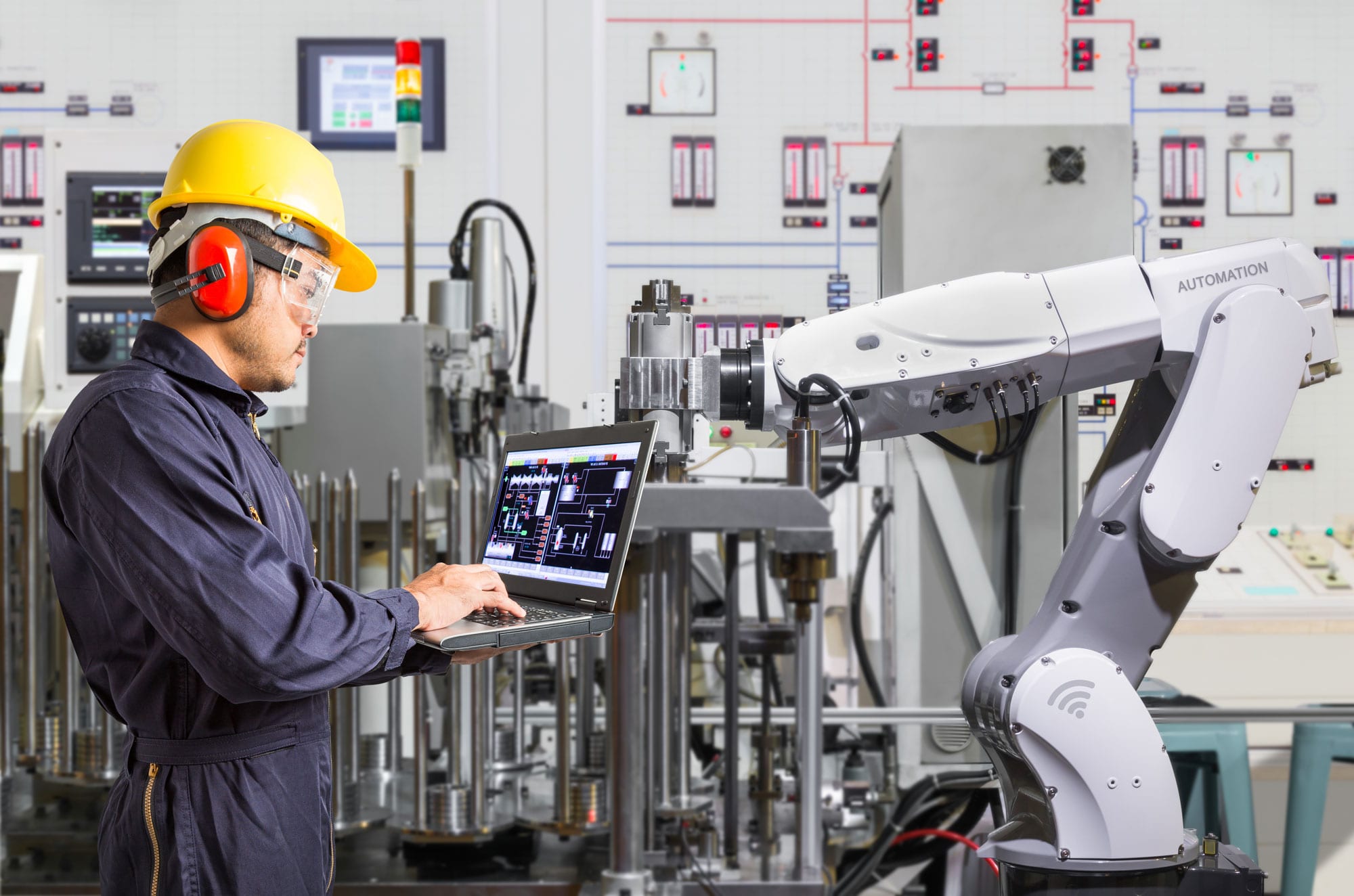
Theker Raises $85M for a General-Purpose Factory Robot
Factories want automation that can handle more than one task, and they want it without a year of painful integration work. That is the promise behind Theker’s latest round, and it matters because mainKeyword is no longer a niche robotics idea. It is now a test of whether factories will keep buying single-purpose machines or move toward systems that can adapt as production changes.
Why does that matter now? Labor gaps are still real, product lines change faster than old equipment can keep up, and manufacturers do not want every new workflow to mean another expensive robot purchase. Theker is betting that a robot built for flexibility, not one trick, can win that fight. Maybe it can. Or maybe the market is still allergic to generalists when specialized machines already work well enough.
“The hard part is not making a robot do one job. The hard part is making it useful on Monday, useful again on Friday, and still useful after the line changes.”
What stands out about mainKeyword
- Theker raised $85 million, which signals serious investor belief in flexible factory automation.
- The company is pitching a robot that does not specialize in a single task, a sharp break from traditional industrial design.
- The big question is deployment, not demos. Can it work in messy, changing factory conditions?
- This approach could reduce the need to buy separate machines for picking, placing, handling, and other repetitive jobs.
- Manufacturers care about ROI, uptime, and fast installation. Fancy robotics without those three is just expensive hardware.
Why factories keep asking for more flexible robots
Factory automation has always leaned on specialization. One robot welds. Another sorts. Another moves parts from point A to point B. That model works until the product changes, the line shifts, or demand swings hard and you need a new configuration yesterday.
General-purpose systems try to solve that problem by acting more like a multipurpose tool than a fixed machine. Think of it like a kitchen chef who can chop, stir, and plate, instead of buying a different appliance for every ingredient. It is a practical idea, not a romantic one.
That flexibility could matter most in mid-sized factories. Large manufacturers can absorb custom integration. Smaller plants usually cannot.
What mainKeyword still has to prove
Funding is not product-market fit. It is runway. And robotics has a graveyard full of companies that promised adaptable systems before hitting the wall of real-world complexity.
Three hard tests will decide if the bet holds
- Reliability. The robot has to work every shift, not just in controlled demos.
- Integration. It must fit into existing lines without months of custom engineering.
- Economics. The total cost has to beat buying multiple single-purpose machines or hiring more labor.
Here is the thing. Factories do not buy vision. They buy uptime, repeatability, and clear payback. If Theker cannot show that its robot lowers friction on all three, the “general-purpose” pitch will sound nice and sell slowly.
Where this sits in the robotics market
The industrial robotics market has been moving toward more software-driven systems for years. Companies like ABB, FANUC, and Universal Robots have already pushed hard on ease of deployment and collaborative use cases. Theker now enters a crowded space where the bar is not invention alone. It is adoption.
That is where the real pressure lives. Investors may love the idea of one robot doing many jobs, but plant managers ask a colder question: does it reduce downtime or create another maintenance headache?
And that question cuts deep. The factory floor is not a pitch deck.
What to watch next from mainKeyword
If Theker wants this raise to mean more than a headline, it will need to show measurable wins in live deployments. Look for specifics on payload, software control, setup time, and how the system handles changing SKUs or workflows.
Watch for customer names, too. A pilot in a real production line matters more than vague claims about flexibility. If the company can show that one system replaces several brittle setups, the market will pay attention. If not, this will be another expensive reminder that general-purpose hardware is hard.
So the next move is simple. Watch the factory, not the funding round. Which companies can turn this kind of robot into daily output, and which ones are still selling a promise?
The next real test
Investor money can open doors, but factories close them fast when a machine slows a line. That is the standard here. Theker now has the cash to prove whether mainKeyword can move from an interesting pitch to a tool plant operators trust.
If it works, the next wave of factory automation could look less like a room full of specialized machines and more like a smaller set of adaptable systems. If it fails, the market will keep doing what it has always done. Buy the robot for the job, then buy another robot for the next one.