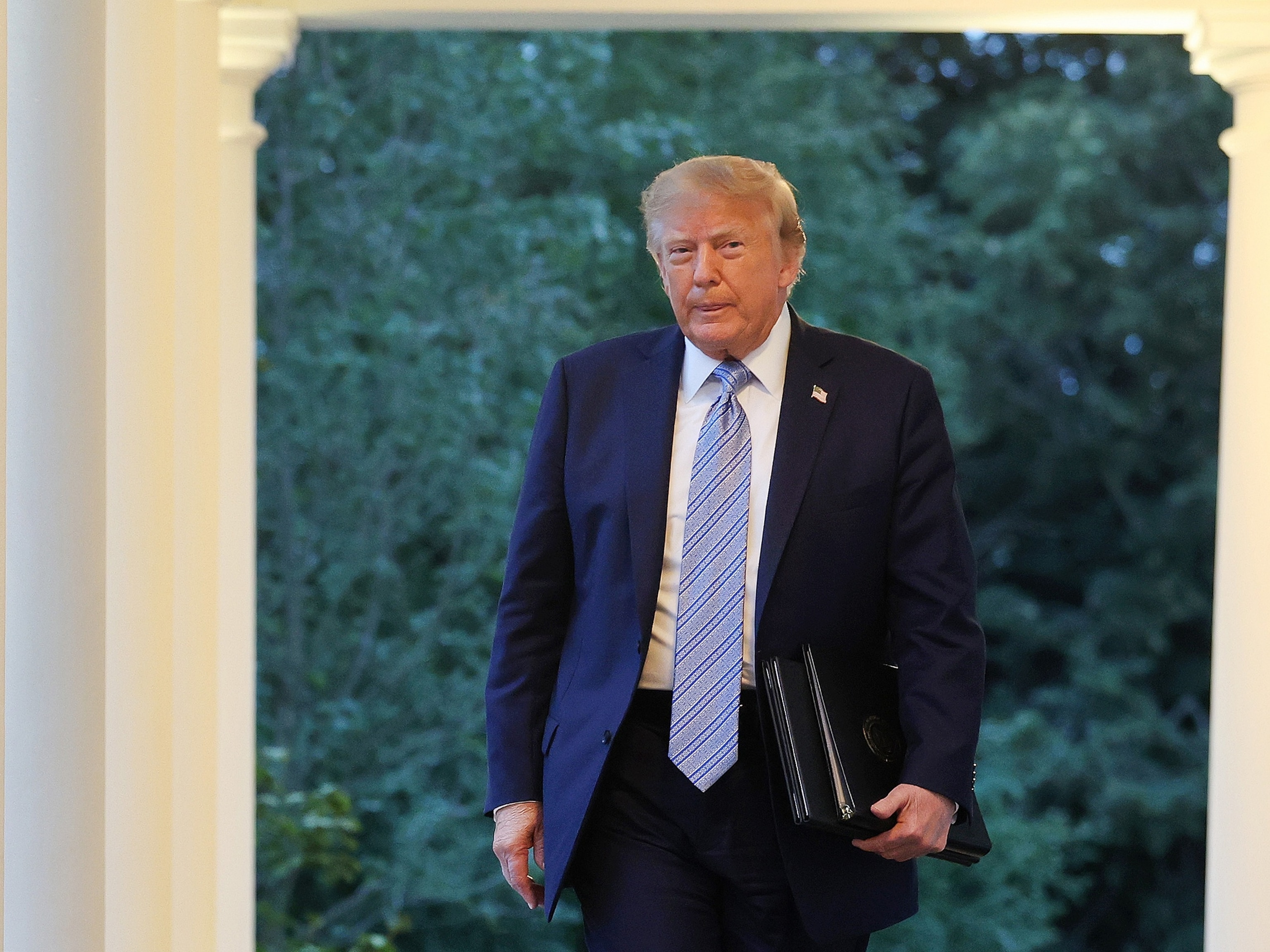
Trump AI Force: Rebrand Talk Meets Real Policy Questions
You may not care what politicians call artificial intelligence, but you should care when naming becomes a stand-in for policy. The Trump AI Force idea, reported by TechCrunch, puts that tension in plain view. Trump has suggested that AI may need a new name and said he is also creating an “AI Force,” according to the report. That sounds like branding, bureaucracy, and campaign-stage messaging rolled into one. But the stakes are practical. Federal choices on AI can shape procurement, defense contracts, school tools, chip supply, data center growth, copyright fights, and privacy rules. A name change will not decide those issues. It can still shape how voters, agencies, and companies talk about them. And in tech policy, language often becomes the first draft of power.
What Stands Out
- Trump’s reported push to rename AI is a political messaging move, not a technical change.
- The proposed AI Force raises bigger questions about who would run it, what authority it would have, and how it would be checked.
- U.S. AI policy already sits across agencies, including the White House, NIST, the Department of Commerce, the Pentagon, and the FTC.
- For companies, the label matters less than rules on safety testing, procurement, export controls, and liability.
- The public should watch for concrete mandates, budgets, and staffing plans, not slogans.
Why the Trump AI Force Framing Matters
Political branding can sound shallow, but it can move money and attention fast. If the Trump AI Force becomes a formal body, the first question is simple: is it a task force, a regulatory unit, a procurement office, or a campaign phrase?
Those are not minor distinctions. A task force can coordinate agencies, while a new office with budget power can redirect federal buying and pressure vendors to meet specific standards.
“AI Force” is a strong phrase for television, but governance needs boring details: scope, authority, accountability, and public reporting. Without those, the name does more work than the policy.
Look, I have covered enough tech announcements to know the pattern. A memorable label lands first, then the policy machinery either follows or quietly disappears.
Trump AI Force and the Problem With Renaming AI
Renaming artificial intelligence would be harder than it sounds. The term is embedded in research papers, federal documents, investor filings, product pages, university programs, and global policy talks.
Would a new name reduce fear, confusion, or hype? Maybe at the margins, but only if it came with clearer public explanations of what these systems can and cannot do.
Branding will not fix policy gaps.
The deeper issue is that “AI” now covers too much. It can mean a chatbot, a fraud detection model, a military targeting support system, a medical imaging tool, or a recommendation engine that decides what you see at midnight.
A better naming debate would separate use cases
Instead of replacing one broad label with another, officials could use plain categories. That would help citizens and buyers understand risk without wading through vendor gloss.
- Consumer chatbots: tools that generate text, images, audio, or code for everyday users.
- High-risk decision systems: tools used in hiring, lending, housing, health care, education, or criminal justice.
- Defense AI: tools used for intelligence analysis, logistics, cyber operations, or weapons support.
- Critical infrastructure AI: systems tied to energy, water, transport, communications, or emergency response.
That split would be more useful than a fresh label. It is the difference between saying “sports equipment” and saying “a football helmet,” because one phrase tells you almost nothing about the risk.
What an AI Force Could Actually Do
If the idea becomes real, the strongest version would focus on coordination. The U.S. government already has overlapping AI activity, and companies often face scattered guidance from different agencies.
A serious AI Force could set federal priorities without pretending one office can control the entire field. It could also publish timelines, model evaluation methods, procurement rules, and incident reporting expectations (the dull stuff that actually changes behavior).
- Set federal buying standards. Agencies could require documentation, red-team testing, privacy reviews, and security checks before buying AI tools.
- Coordinate safety benchmarks. NIST already works on AI risk management, and a central group could align that work with agency needs.
- Track national security risks. That includes cyber misuse, biological design concerns, foreign influence operations, and sensitive model weights.
- Support public sector adoption. The government needs help using AI for service delivery without exposing sensitive data or locking itself into weak contracts.
- Report to the public. Regular reports would matter because trust falls apart when AI programs look hidden or improvised.
Here’s the thing. If an AI Force only serves as a branding hub, industry will smile for the cameras and then keep following the money.
The Business Impact of Trump AI Force Talk
Companies should not overreact to a name change, but they should watch for procurement and compliance signals. Federal buyers can make a market, especially in cloud computing, cybersecurity, defense, and enterprise software.
If the Trump AI Force idea leads to looser rules, startups may see faster sales cycles. If it leads to stricter federal requirements, vendors will need more documentation, audit trails, and security testing before they can win contracts.
What founders and AI teams should track
The smartest teams will avoid political guesswork and monitor concrete changes. Press clips matter less than agency memos, budget requests, executive orders, and procurement language.
- New AI procurement clauses in federal contracts.
- Changes to NIST AI Risk Management Framework guidance.
- Defense Department rules for autonomy, model testing, and data controls.
- Commerce Department updates on chips, export controls, and cloud access.
- FTC enforcement tied to deceptive AI claims, privacy, or biased outcomes.
One more practical point: vendors should stop pitching “AI” as a magic word. Government buyers increasingly ask for proof, including evaluation data, human oversight plans, and fallback procedures.
What Voters Should Ask About Trump AI Force Plans
The public does not need a computer science degree to judge this. You only need to ask whether the proposal makes government AI safer, clearer, and more accountable.
Start with authority. Who appoints the leaders, what laws guide them, and can Congress or inspectors general review their work?
Then ask about rights. Any federal AI push should explain how it protects privacy, speech, due process, and equal treatment, especially when automated systems touch benefits, policing, border screening, or public records.
And ask the budget question. A policy with no funding is often theater, while a funded office with vague powers can become a problem of its own.
The Real Test Is Not the Name
Trump’s reported interest in rebranding AI is useful because it exposes a real weakness in the public debate. People are being asked to trust systems they often cannot inspect, while leaders fight over labels that may or may not clarify anything.
The next step is simple: look past the phrase Trump AI Force and demand the paperwork. If this becomes a real government effort, the details should arrive quickly, because AI policy cannot run on stagecraft for long.