Trump AI Regulation Shift and What It Means
If you follow AI policy, you have probably noticed the whiplash. One week the focus is safety and guardrails. The next, the political pitch swings toward speed, competition, and fewer rules. That is why the latest debate around Trump AI regulation matters now. It is not just another headline cycle. Federal policy can shape how companies build AI, how agencies buy it, and how workers deal with the fallout when automation hits their jobs.
Wired’s Uncanny Valley podcast episode ties that policy turn to a wider story about labor, public trust, and a political system that treats tech as both a promise and a threat. If you build, buy, regulate, or simply use AI at work, this shift deserves your attention. The stakes are real, and the details matter.
What to watch
- Trump AI regulation appears to be moving toward lighter federal oversight and a more industry-friendly stance.
- That shift lands at a moment when workers are already anxious about automation and job displacement.
- Political messaging around AI now blends national competitiveness, deregulation, and cultural grievance.
- For businesses, the likely result is policy uncertainty rather than a clean rulebook.
Why the Trump AI regulation debate is heating up
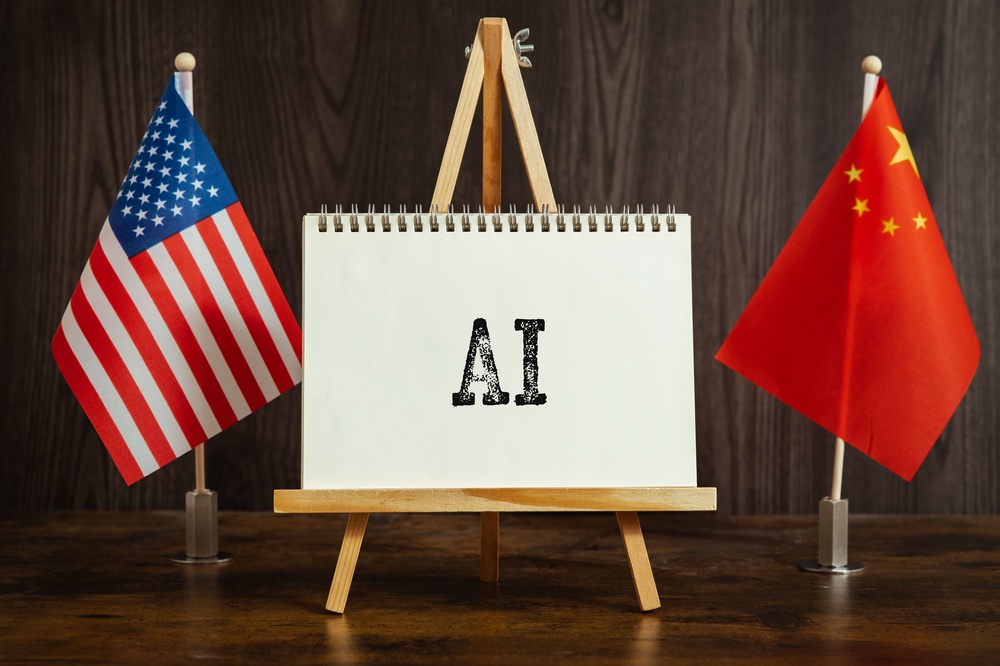
The core fight is simple. Should the federal government set tighter standards for advanced AI systems, or should it step back and let the market move faster? That question has been hanging over Washington for months, but election-year politics gives it extra force.
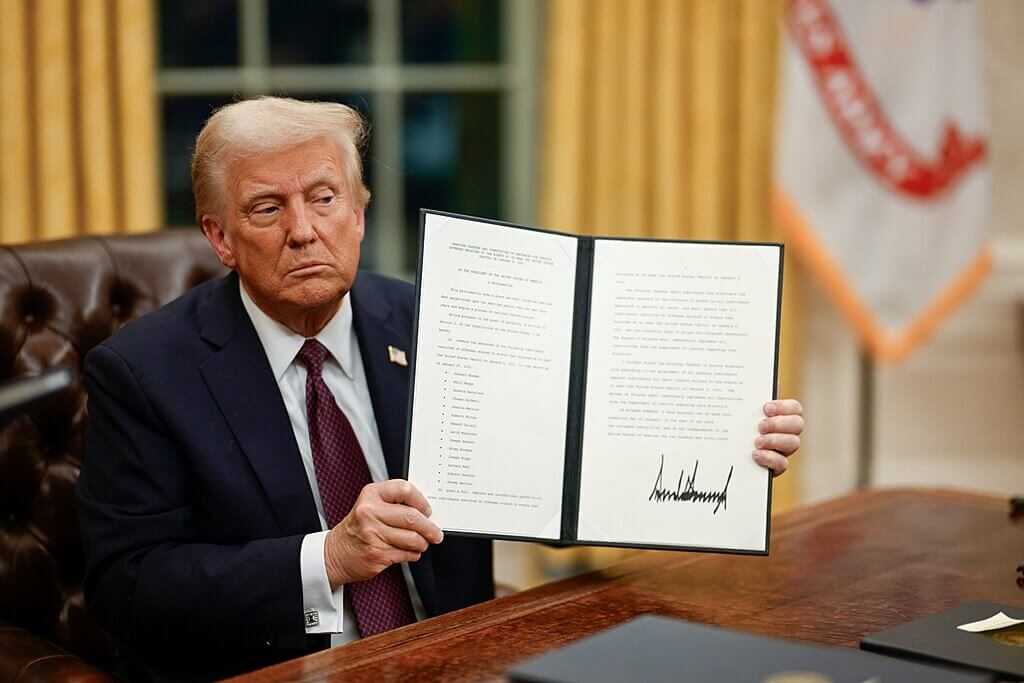
Trump-aligned rhetoric has increasingly framed AI regulation as a drag on American innovation. Look, that line is politically efficient. It casts rules as bureaucracy and casts deregulation as strength. But the real picture is messier. Companies want freedom, yes, yet many also want predictable standards so they know what risk, disclosure, and procurement rules they are actually playing under.
AI policy is no longer a niche tech issue. It now sits inside fights about jobs, state power, national security, and who gets protected when software moves faster than the law.
That is why this policy turn matters beyond campaign messaging. It could affect export controls, agency guidance, federal procurement, model testing expectations, and the balance between state and federal action.
How workers fit into the Trump AI regulation story
One smart thread in Wired’s framing is the link between AI policy and worker anxiety. Too much AI coverage treats labor as a footnote. That is a mistake.
If federal leaders argue for fewer constraints on AI deployment, workers may hear something very different. They may hear that job disruption is their problem to absorb. And in many sectors, from customer service to coding support to logistics, that fear is not abstract.
Here is the plain truth. Regulation debates often sound technical, but they land in human terms.
Think of it like building codes in a fast-growing city. Developers may want speed. Residents want safe wiring, strong foundations, and exits that work when something goes wrong. AI governance has the same tension. Move too slowly and you lose momentum. Move too fast and ordinary people pay for the shortcuts.
Questions workers and employers should ask
- Will AI tools be introduced with clear accountability for errors?
- Will employees get training before new systems reshape their roles?
- Will companies measure productivity gains against job quality, not just headcount cuts?
- Will public agencies require transparency when AI affects hiring, benefits, or access to services?
Honestly, any AI policy discussion that skips those questions is incomplete.
What businesses should expect from Trump AI regulation
If you run a company, the near-term outcome is probably not a tidy deregulatory reset. It is more likely a patchwork. Federal signals may soften, while states, courts, sector regulators, and international frameworks keep applying pressure.
That means smart operators should plan for mixed rules instead of assuming a free pass. The European Union’s AI Act is still a factor for global firms. Existing US laws on consumer protection, discrimination, privacy, and deceptive practices still matter. The Federal Trade Commission, Equal Employment Opportunity Commission, and other agencies have already shown interest in AI-related harms.
And that creates a practical checklist:
- Map where AI is used in customer-facing and employee-facing workflows.
- Review procurement terms for foundation models and third-party AI tools.
- Document testing, bias checks, and human review points.
- Prepare for state-level rules, especially in hiring and automated decision systems.
- Build an internal policy now, even if Washington sends mixed signals.
One sentence matters here: policy uncertainty is not the same as no risk.
Why political framing matters more than ever
The language around AI regulation shapes public expectations. If leaders frame oversight as anti-growth, then any safety rule can be painted as sabotage. But if they frame oversight as basic market hygiene, the politics change.
And that is the fight under the surface. Is AI governance a brake, or is it a seat belt?
As a journalist who has watched tech hype cycles for years, I am skeptical of any politician who treats regulation as either a cure-all or a mortal threat. Most durable policy sits in the middle. It protects against obvious abuse, sets disclosure norms, and leaves room for real experimentation. That is less flashy than a campaign speech. It is also more useful.
What Wired’s podcast angle gets right
Wired’s Uncanny Valley episode appears to pair the AI policy pivot with stories about political identity, displaced workers, and public health coverage. That mix may seem odd at first glance (podcasts often bundle the week’s sharpest tensions into one package), but it reflects the moment well. Tech policy does not live in a vacuum. It bleeds into elections, careers, and trust in institutions.
That broader lens is worth keeping. AI regulation is often discussed as if only model labs and lawmakers matter. But local politics, labor pressure, media narratives, and voter frustration all shape what becomes possible.
What to do next if you rely on AI at work
You do not need to wait for Washington to settle this.
If you are a manager, ask your team where AI is already affecting decisions. If you are an employee, ask what guardrails exist and who is accountable when a tool gets something wrong. If you are a policymaker or advisor, push for standards that can survive beyond one administration’s messaging swing.
The next phase of Trump AI regulation may bring louder promises and looser language. But the real test is basic. Will the rules protect the public without freezing useful progress? That answer will shape far more than the next campaign cycle.