Trump AI Task Force: What the New AI Czar Setup Means
You need to understand the Trump AI task force because it could reshape how Washington handles artificial intelligence, from federal procurement to safety rules and data center policy. The Verge reported on the administration’s move to organize AI work around a new force tied to an AI czar role, a setup meant to speed decisions inside the White House. That matters now because AI policy is no longer a side issue for agencies. It affects chip supply, power demand, defense contracts, copyright fights, school tools, and the software your company may buy next quarter.
The big question is simple. Will this create clearer rules, or will it turn AI policy into a faster political tug-of-war? I have covered enough tech policy cycles to know that structure matters, but incentives matter more.
What Stands Out
- The Trump AI task force points to centralized control. That can reduce agency drift, but it can also narrow debate.
- The AI czar role gives industry one obvious door to knock on. Expect lobbying from cloud firms, model labs, chipmakers, and energy companies.
- Federal AI rules may tilt toward speed and competition. Safety reviews could face pressure if they slow deployment.
- Energy and infrastructure will sit near the center. AI policy now depends on power, land, cooling, and grid capacity.
Why the Trump AI Task Force Matters
A White House task force sounds bureaucratic, but it can change the tempo of policy. If the AI czar has real access to the president and agency heads, decisions that once dragged across Commerce, Energy, Defense, and the Office of Management and Budget can move in weeks instead of months.
That speed cuts both ways. A focused team can help the government buy safer AI systems, coordinate export controls, and push agencies to stop issuing conflicting guidance. But it can also favor whoever gets into the room first, which is usually the companies with the largest legal teams and the deepest Washington bench.
Speed is useful only if someone is still checking the map. Fast policy can fix bottlenecks, but it can also hard-code bad assumptions before the public sees the trade-offs.
Look, this is not the first time a White House has tried to centralize tech policy. What is different now is the scale of AI’s footprint. The same policy office may need to think about national security models, consumer chatbots, federal hiring tools, power plants, and copyright lawsuits before lunch.
What an AI Czar Can Actually Do
The title sounds grand, but an AI czar is only as powerful as the mandate behind it. The role can coordinate, pressure, prioritize, and convene. It cannot magically rewrite statutes or make agencies ignore court orders.
Still, coordination has real force in Washington. If the AI czar controls the meeting schedule, helps shape executive orders, and has a say in budget priorities, agencies will pay attention. Companies will too.
Likely priorities for the AI czar
- Review Biden-era AI rules. The Trump team is likely to reassess rules tied to safety testing, reporting, and federal agency use.
- Push AI adoption across government. Expect more pressure on agencies to test tools for paperwork, fraud detection, customer service, and defense analysis.
- Support AI infrastructure. Data centers need electricity, transmission lines, water access, chips, and local permits. That puts AI policy close to energy policy.
- Shape export and chip policy. Controls on advanced semiconductors remain one of Washington’s main tools in its competition with China.
- Set the tone for safety oversight. The office may decide whether voluntary commitments remain enough, or whether agencies should demand stronger documentation.
Think of it like a head coach in football. The coordinator does not throw the ball, block, or kick, but the game plan changes what every player does on the field.
Trump AI Task Force and the Deregulation Fight
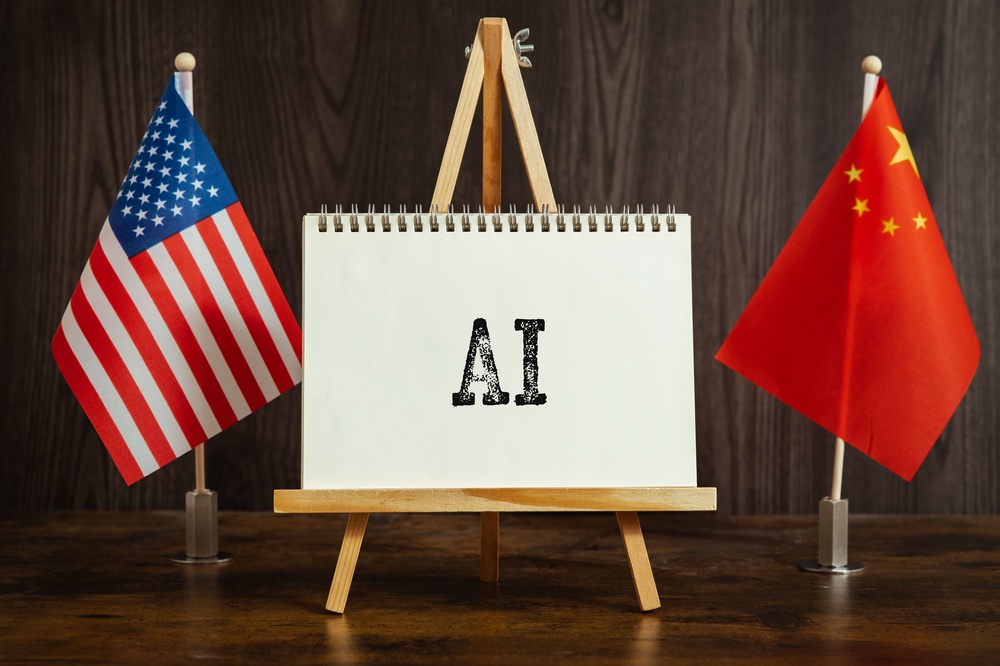
The Trump AI task force will almost certainly face pressure to cut rules viewed as slowing American companies. That argument has power in Silicon Valley and Washington because China’s AI push is often framed as a race. But races are dangerous if the track is full of loose wire.
Companies building frontier models want fewer delays, clearer procurement paths, and access to more compute. Civil society groups want stronger safeguards around bias, surveillance, labor displacement, and deepfakes. Federal agencies want guidance that will survive court challenges and budget fights.
Here’s the thing. Deregulation is not a policy by itself.
If the White House strips requirements without replacing them with a clear federal standard, companies may face more confusion, not less. States such as California, Colorado, and New York will keep moving. That could leave AI firms dealing with a patchwork of state rules, agency memos, procurement clauses, and lawsuits.
What Businesses Should Watch Next
If you run a company that buys or builds AI systems, do not wait for a perfect federal rulebook. Watch the signals that affect contracts, compliance, and risk. The first six months of this setup may matter more than the speeches.
- Federal procurement language: Agencies may update contract terms for model evaluation, data handling, audit rights, and human review.
- Reporting requirements: Any change to safety testing or model reporting will affect frontier AI labs first, then vendors downstream.
- Data center incentives: Tax breaks, permitting changes, and energy approvals could shape where AI capacity gets built.
- Export controls: Chip restrictions can change hardware availability and pricing for cloud customers.
- Agency enforcement: The FTC, EEOC, DOJ, and CFPB can still act against deceptive, discriminatory, or unlawful AI use.
One practical step: map where your AI tools touch regulated decisions. Hiring, lending, healthcare, education, housing, insurance, and law enforcement remain sensitive areas no matter which party controls the White House.
Trump AI Task Force Risks: Too Much Power in Too Few Hands
A tight White House process can reduce delay, but it can also reduce scrutiny. AI policy needs technical input from researchers, procurement officers, labor groups, privacy experts, state officials, and smaller firms. If the task force becomes a hotline for the largest AI companies, the public will pay for that imbalance later.
The danger is not only corporate capture. It is also shallow policy. AI systems fail in specific ways, such as hallucinated legal citations, biased screening scores, brittle medical summaries, and synthetic media scams. A political office that treats all AI as one bucket will miss the parts that actually harm people.
What should the task force publish? At minimum, it should release clear goals, agency responsibilities, timelines, and conflict-of-interest rules. It should also explain how outside experts can contribute without turning every meeting into a donor parade.
The Real Test Is Execution
The Trump AI task force could bring useful order to a messy federal process. It could also become a loud symbol with thin results. The difference will show up in documents, budgets, enforcement choices, and who gets invited into the room.
My bet: the administration will push hard on speed, infrastructure, and competition with China. The harder question is whether it can pair that with credible safeguards. If you depend on AI for hiring, customer service, code, search, or analysis, start tracking the policy now because the next rule may arrive through a contract clause, not a headline.