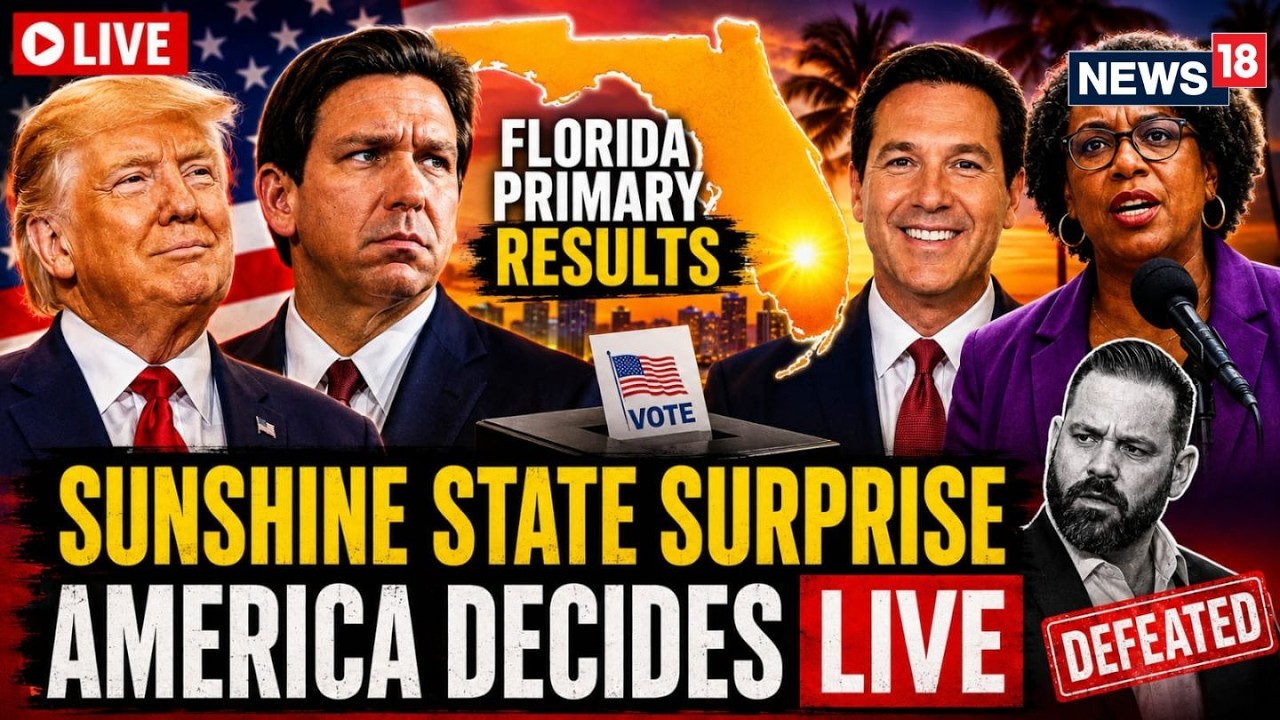
Trump Alaska Primary Live Updates: What to Watch
You are trying to keep up with Trump Alaska primary live updates, the Florida election, and a fast-moving 2026 political calendar that keeps dragging in Congress, Iran, and the next round of party fights. That matters because campaigns now move in clusters. One primary result can shape donor money, media attention, and who gets tagged as viable before the next state votes. If you are sorting signal from noise, the trick is to watch for turnout, faction strength, and whether the headlines match the ground game. Which names actually have organization behind them, and which ones are riding a news cycle? That question tells you more than the spin.
What matters most right now
- Turnout: Low turnout usually rewards the best-organized campaign.
- Endorsement value: A big name can help, but it does not replace local field work.
- Florida signal: Florida races often tell you how national messaging is landing with suburban and older voters.
- Congressional fallout: Primary results can change how lawmakers talk about party strategy.
- Foreign policy spillover: Iran and other international flashpoints can reset the news cycle in a matter of hours.
Trump Alaska primary live updates: what the state tells you
Alaska is a small but revealing political test. It often rewards candidates who can motivate a narrow, committed base, which makes it useful for measuring discipline inside the party. The state also punishes lazy assumptions. A candidate who looks dominant on cable can still underperform if local voters are focused on cost of living, energy, or distrust of national figures.
Look at the margins first. Then look at who showed up.
That sequence matters because primary politics is a lot like building a house. The paint job gets attention, but the frame holds everything together. In politics, the frame is local volunteers, mail strategy, and turnout timing.
Three things to read from the Alaska result
- Base strength: Did the most loyal voters show up in force, or did the race feel flat?
- Message fit: Did the winning side talk about the issues that matter in-state, or just repeat national talking points?
- Organization: Did the campaign win with field work, or with a headline boost that may not last?
“The real story in a primary is often not who won, but how they won.”
Trump Alaska primary live updates and the Florida election
Florida is a different animal. It is larger, more diverse, and much more expensive to influence. The Florida election can show whether a message travels beyond a loyal core and into a broader coalition. That is why strategists watch it so closely. If a candidate struggles in Florida, the warning sign is usually not subtle.
Florida also tests whether national branding still works. A candidate can dominate online and still lose ground with voters who care more about crime, taxes, schools, and insurance costs. Those issues are blunt. They cut through noise.
And that is where the live updates become useful. They give you the sequence of events, not just the final scoreboard. Who surged early? Who stalled? Who got rescued by a late endorsement or a better turnout operation?
How Congress fits into the story
Primary battles rarely stay local for long. Once a result lands, House and Senate members begin adjusting their own language. They watch for cues on immigration, spending, Ukraine, Iran, and the rest of the policy pileup. Why? Because a bad night in one state can change how safe a lawmaker feels about crossing the party line.
That is not abstract. It affects committee hearings, fundraising emails, and whether candidates double down on loyalty tests. It also changes the tone of the next week’s coverage, which is often the point.
What lawmakers usually do after a loud primary
- They sharpen their talking points.
- They avoid public splits unless they are forced into them.
- They study whether the winning side had broad appeal or just intense support.
- They recheck donor networks and local organizers.
Why Iran keeps showing up in the live blog
Foreign policy can feel detached from a state primary, but that is not how modern politics works. A major Iran development can knock a domestic race out of the news for hours, then come back as a campaign talking point. Candidates use it to talk about strength, restraint, and risk (sometimes all in the same speech).
For you, the practical move is simple. Separate the policy event from the political reaction. A security development is one thing. The way Trump, congressional leaders, and primary candidates use it is another.
How to read the updates without getting played
Live blogs are useful because they capture motion. They are bad when you treat each update like a final verdict. Resist that. A first projection, a late call, or a campaign statement can shift the framing without changing the underlying math.
- Check the source: Is the update based on vote totals, candidate statements, or anonymous chatter?
- Watch the timing: Early numbers can be misleading if they come from one kind of precinct.
- Look for contrast: Is the story about the vote itself, or about how one side is spinning it?
Honestly, the fastest way to get misled is to confuse confidence with evidence. They are not the same thing.
What to watch next
The next few updates will matter most if they show whether these races are about Trump’s grip on the party, local candidate quality, or something messier. If Alaska and Florida point in the same direction, that is a stronger signal than any single headline. If they split, then the party is still fractured and the real fight is ahead.
That is the part worth watching next: not the noise, but whether the same coalition keeps winning when the map changes.