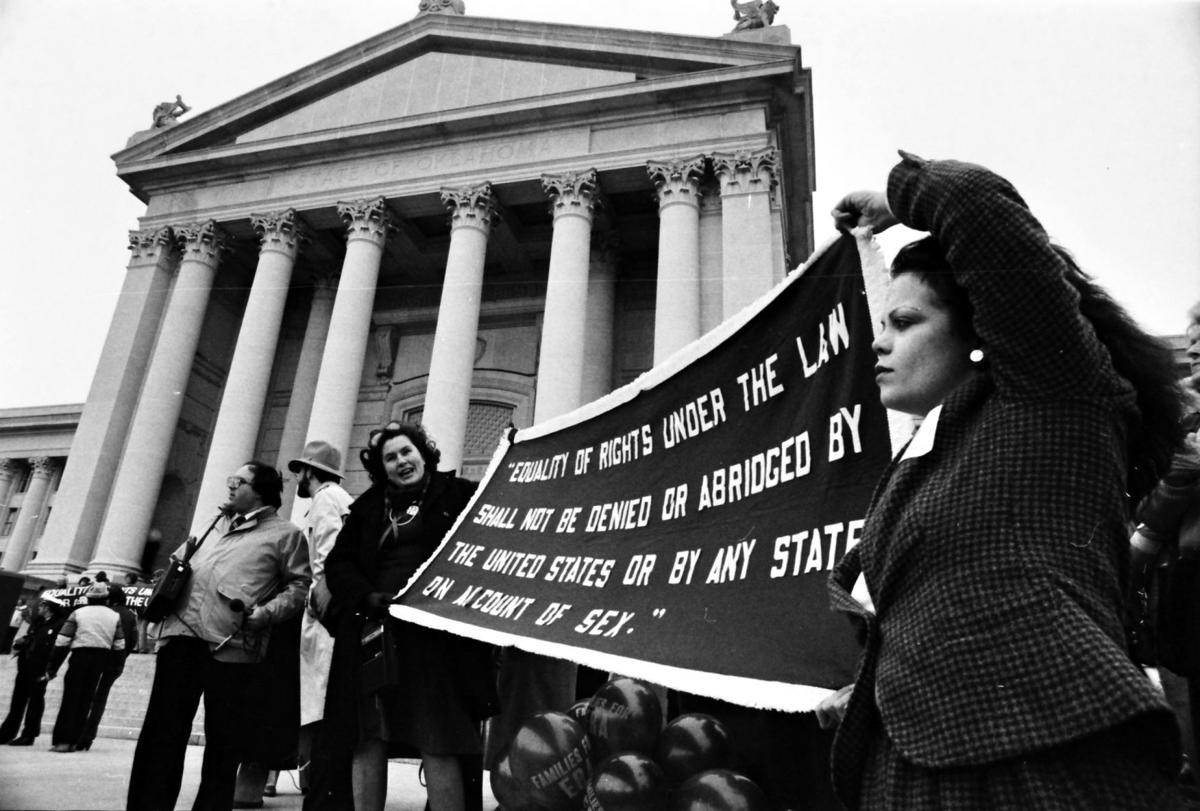
Tulsa World Photo Rights and Use Guide
If you found a Tulsa World image and want to share it, embed it, republish it, or use it in a story, the first problem is simple. You need to know what the rights allow and what they do not. The Tulsa World photo rights question matters now because image use gets copied fast, and one wrong post can trigger takedowns, fees, or a legal mess you did not plan for.
Look, photo policy is not exciting. But it is one of those quiet rules that can save you time and money. Is the image editorial coverage, a licensed photo, or a file that only looks public because it sits on a web page? That distinction matters. A lot.
What Tulsa World photo rights usually control
Tulsa World, like most newsrooms, treats its photos as copyrighted work. That means the image is not free to reuse just because you can view it online. Copyright usually covers copying, reposting, cropping, downloading, and using the photo in a new context.
Think of it like a borrowed kitchen knife. You can look at it on the counter, but that does not mean you can take it home. The same logic applies here.
- Viewing a photo on the site does not grant reuse rights.
- Downloading a photo does not make it yours.
- Embedding may still depend on the platform and the terms attached to the image.
- Editorial use is not the same as commercial use.
Publicly accessible is not the same as publicly licensed.
How to check Tulsa World photo rights before you use an image
Start with the source page. Look for a credit line, caption details, or a rights notice. If the image appears in a story, the publication may be signaling that it belongs to the newsroom, a freelancer, or a third-party wire service such as Getty Images or AP.
Then ask a more practical question. What do you need the image for?
- News coverage usually needs a different review than marketing or fundraising.
- Internal use may still require permission if the image is distributed beyond staff.
- Social sharing can be allowed in some contexts, but that is not automatic.
- Print or resale almost always needs explicit approval.
If the page does not spell out the license, do not guess. Ask for permission through the publisher or the image credit owner. That is slower than hitting save, but it is cleaner than dealing with a complaint after the fact.
Tulsa World photo rights and fair use: where people get it wrong
Fair use gets tossed around like a shortcut. It is not. Fair use depends on purpose, amount used, the nature of the work, and the effect on the market for the image. Courts look at the full context, not your intent alone.
Using a Tulsa World photo to comment on the photo itself, report on the story, or analyze media coverage can sometimes fit fair use. But using the same image as a banner on your nonprofit site or in a sales deck is a different animal. Why would that be treated the same? It would not.
Best practice is simple. Use the smallest amount needed, keep the context tied to commentary or reporting, and do not strip credit lines. If the image does the main job of your piece, fair use becomes much harder to justify.
Three red flags
- You are using the image to attract clicks, not to add commentary.
- You crop out attribution or watermark details.
- You reuse the same photo across multiple channels without permission.
What to do if you need permission
Permission requests work better when they are short and specific. Say who you are, what image you want, where it will appear, how long you need it, and whether it will be edited. Editors and rights staff can answer faster when they are not chasing missing details.
Include these points in your request:
- The exact URL or caption of the image
- Your publication, brand, or organization name
- The intended use, including web, print, email, or social
- The audience size, if relevant
- Whether you will crop, resize, or add text
And keep the approval in writing. Email is usually enough. A verbal yes is too easy to forget when a rights question comes back six months later.
How to avoid future trouble with Tulsa World photo rights
Build a simple review step into your workflow. One person checks source, license, and credit before an image goes live. That tiny pause can prevent a headache that shows up after publication, usually at the worst time.
Use original photos when you can. Use properly licensed stock when you cannot. And if you are unsure, do not let speed win. Newsrooms move fast, but rights mistakes move faster.
Good image handling is not about fear. It is about discipline.
Here is the thing. Most rights problems start with a small assumption. Someone thinks a photo on a news site is free to reuse, or that credit alone covers the use, or that a crop makes it new. It does not. The rules are closer to building permits than to casual sharing. You would not start a remodel without knowing the code, so why do it with an image?
Stay on the safe side
If you need to use a Tulsa World image, treat the process as a rights check, not a guess. Confirm the source, match the use to the license, and get written permission when the terms are unclear. That is the clean path, and it will stay the clean path as platforms, archives, and AI image tools keep blurring the lines. The next time you see a photo online, ask one blunt question before you publish: do you have the right to use it?