UN AI Governance Meets the Hugging Face Hack
You do not need another abstract debate about whether AI is good or bad. You need rules that hold up when models, datasets, plugins, APIs, and developer tools fail in the real world. That is why UN AI governance matters now. As The Verge reported, a United Nations AI panel has been weighing a precautionary principle for artificial intelligence, while a Hugging Face security incident showed how fragile the AI supply chain can be. These two stories belong together. Policy people often talk about frontier systems as if risk starts only at the largest model labs. Engineers know better. Risk can start with a leaked token, a poisoned model, a public demo with weak controls, or a dependency nobody checked. The question is not whether AI needs oversight. It is whether the oversight understands how AI is actually built.
What Stands Out
- The UN discussion pushes AI governance toward prevention, not cleanup after harm.
- The Hugging Face incident shows that open AI infrastructure can carry security risk at scale.
- The precautionary principle can help, but only if it avoids freezing useful research.
- Companies should treat AI model repositories like software supply chains, not casual file libraries.
- Governments need technical testing capacity, not only policy language.
Why UN AI Governance Is Moving Toward Precaution
The precautionary principle is simple on paper. If a technology may cause serious harm, regulators and builders should act before every detail is proven. That idea has appeared in environmental policy, public health, and nuclear safety. Now it is moving into AI policy because the stakes are no longer theoretical.
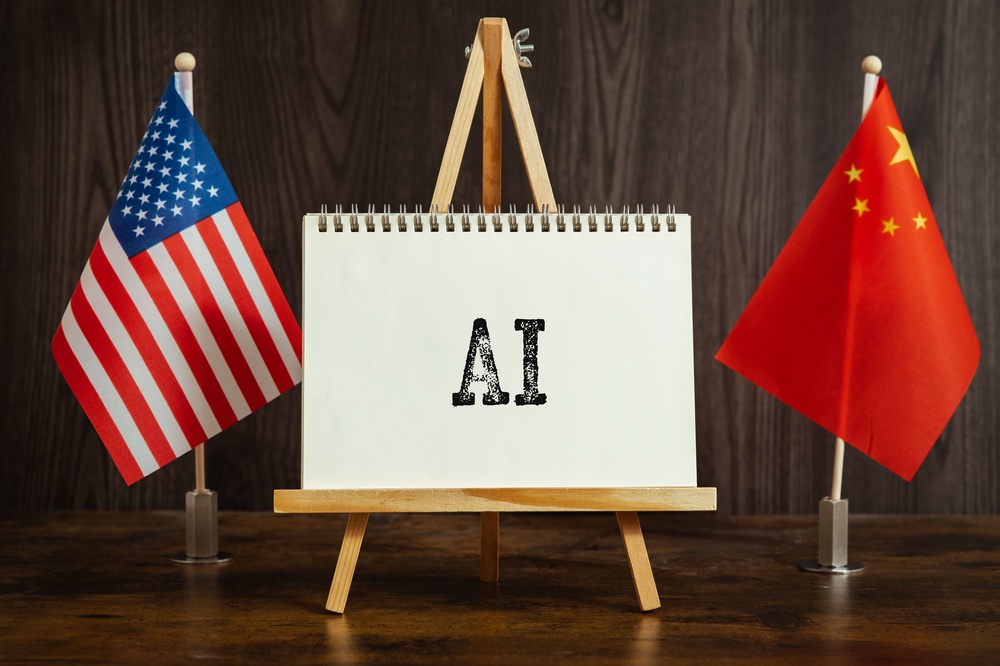
The UN’s interest matters because AI systems cross borders by default. A model trained in one country can be hosted in another, fine-tuned by a third party, and used by millions of people through an app no regulator has reviewed. National rules help, but they leave gaps wide enough for bad actors and careless vendors.
Good AI policy should slow down the dangerous parts without turning every developer into a compliance department.
That balance is hard. I have watched tech regulation for years, and the same pattern keeps repeating. First comes the hype. Then the incident. Then the rushed rulebook. The better path is boring, earlier, and more technical.
What the Hugging Face Hack Shows About UN AI Governance
Hugging Face has become one of the central hubs for AI development. Researchers, startups, and large companies use it to share models, datasets, demos, and code. That makes it useful. It also makes it a rich target.
According to The Verge, the Hugging Face security issue landed at an awkward time for the AI policy debate. The company has previously warned users about unauthorized access involving its Spaces platform and secrets, and it has urged token rotation in response to security concerns. The lesson is bigger than one platform. AI infrastructure now looks like a busy train station, with models, credentials, files, and third-party code moving constantly.
That is the right instinct.
If policymakers focus only on the largest model releases, they will miss the plumbing. And the plumbing is where many failures begin. A stolen access token can expose private models. A tampered model can spread through downloads. A sloppy demo can leak user data. None of this requires a science-fiction scenario.
Where the Precautionary Principle Helps
Used well, the precautionary principle gives regulators and companies permission to ask harder questions before deployment. What could go wrong? Who can inspect the system? Who is accountable if the model is misused? What happens when a vulnerability appears on Friday night?
For AI teams, this means moving from vague safety statements to concrete gates. Before releasing a model or AI feature, teams should be able to answer a few plain questions:
- What data did the system train on, and what restrictions apply to that data?
- Can the model be used for fraud, malware, surveillance, or targeted manipulation?
- Who can access weights, logs, prompts, API keys, and customer data?
- What testing has been done for abuse, privacy leakage, and security weakness?
- How fast can the team revoke access, patch a flaw, or pull a release?
These are not exotic demands. They are basic product discipline. In software, we learned the hard way that shipping fast without security creates expensive messes. AI is now repeating that lesson with bigger blast radius.
Where UN AI Governance Can Go Wrong
Here is the thing. A precautionary principle can become a blunt instrument if officials treat all AI work as equally risky. A small translation model for a hospital intake form does not deserve the same review process as a general-purpose model that can generate code, imitate people, and connect to external tools.
The better approach is tiered oversight. Higher-risk systems should face tougher requirements. Lower-risk systems should still follow good security and privacy practices, but they should not drown in paperwork. Europe’s AI Act takes a risk-based approach, and other governments are moving in similar directions. The UN can help by giving countries a shared vocabulary, especially for cross-border risks.
But who decides what counts as high risk?
That question will define the next phase of AI regulation. Model size is a weak proxy. Capability, access, use case, and deployment context matter more. A modest model connected to payment systems or police databases can be riskier than a larger model used in a sandbox.
Practical AI Security Lessons From Hugging Face
The Hugging Face episode should push every AI team to audit its own workflow. Treat model platforms the way you treat package registries, cloud consoles, and production databases. Convenient access is useful, but loose access is a liability.
Start with access control
API tokens, secrets, and service credentials need short lifetimes where possible. Rotate them after incidents. Limit permissions. Remove stale accounts. This is dull work, but dull work prevents ugly headlines.
Check the models you download
Open model repositories are powerful, but they require skepticism. Teams should verify source reputation, inspect model cards, scan files where possible, and avoid running unknown code in privileged environments. Think of it like cooking. Fresh ingredients matter, but you still wash the knife and check the expiration date.
Log what matters
You cannot respond to an incident if you do not know what happened. AI systems need logs for access, prompts, outputs, model changes, and administrative actions. Those logs must protect user privacy, but they also need enough detail to support investigation.
What Companies Should Do Before Regulators Force It
Smart companies should not wait for the UN, Washington, Brussels, or Beijing to settle every policy fight. The minimum bar is already clear. If your product depends on AI models, you need governance inside the company now.
- Create an AI asset inventory: Know which models, datasets, vendors, and APIs your teams use.
- Classify risk by use case: Focus attention on systems tied to money, health, employment, safety, identity, and legal rights.
- Run red-team tests: Probe for prompt injection, data leakage, unsafe outputs, and tool misuse.
- Assign owners: Every model in production needs a named team responsible for monitoring and rollback.
- Write incident playbooks: Decide in advance how you will revoke keys, notify users, and pause features.
This is where UN AI governance can be useful even before it becomes binding. It can set expectations that boards, insurers, investors, and customers start asking about. Once those questions enter procurement and audits, behavior changes fast.
The Real Test for UN AI Governance
The AI industry likes to frame regulation as a contest between innovation and control. That framing is too convenient. The stronger question is whether we can build systems that people can inspect, challenge, and recover from when they fail.
The Hugging Face incident is a reminder that AI risk is not only about future superintelligence. It is also about today’s credentials, repositories, demos, and deployment habits. If the UN’s precautionary push grapples with that reality, it can add value. If it stays at the altitude of speeches and principles, engineers will ignore it and users will remain exposed.
The next smart move is practical: audit the AI tools you already use, rotate old secrets, and ask your vendors how they secure models before the next incident answers for them.