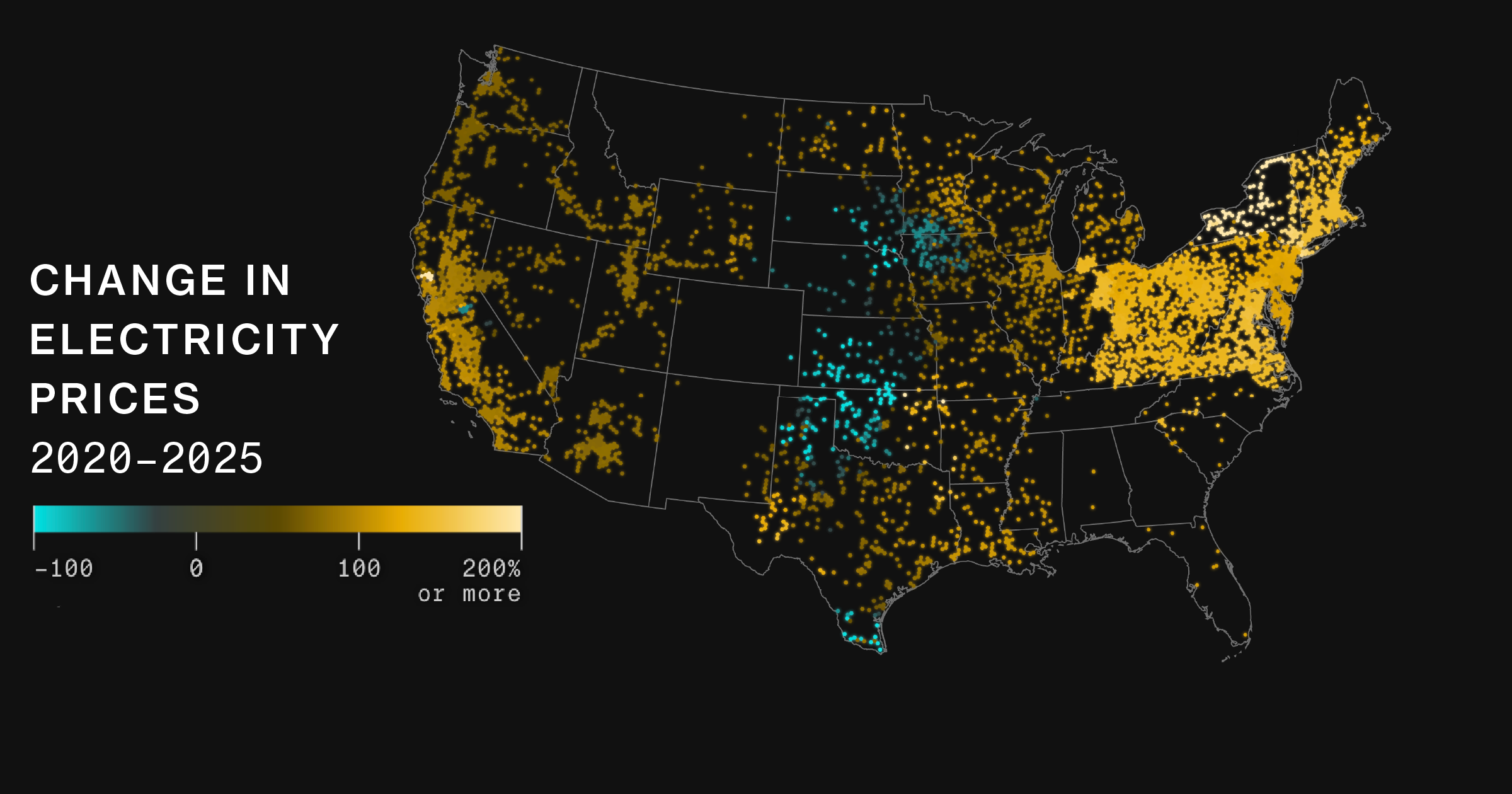
US Utilities and AI Data Center Rates
Data centers are soaking up more power just as utilities face pressure to keep bills from rising for everyone else. That is why US utilities AI data center rates are becoming a hot issue, and why the fight now matters to you even if you never set foot in a server room. Regulators and power companies are trying to sort out who should pay for new transmission lines, grid upgrades, and backup capacity when AI clusters arrive in a hurry.
Look, this is not a niche billing dispute. It affects household rates, industrial customers, and the pace of new AI buildouts. If utilities get the pricing wrong, regular customers could subsidize speculative projects. If they get it too strict, some data center developers may walk away. Either way, the next round of rate design could redraw the map for where big tech builds next.
And the timing is awkward. Demand is rising fast, grid interconnection queues are already clogged, and state regulators are under pressure to act before costs spill onto everyone else.
What stands out about US utilities AI data center rates
- Utilities want new tariffs. They are pushing rate structures that charge large data centers for the extra grid costs they create.
- Regulators want proof. Public utility commissions usually want detailed cost studies before they approve special rates.
- Residential bills are in the mix. The fear is simple. If a giant customer gets a bargain, smaller customers may backfill the gap.
- AI growth is changing the math. Training and serving models can consume huge amounts of electricity, often around the clock.
- Location decisions may shift. Higher rates, slower interconnections, and tougher contract terms can push projects to other states.
Why utilities want special pricing
Utilities are not doing this out of generosity. They want to make sure a new data center pays for the equipment and grid capacity it forces them to add. That can include substations, transmission upgrades, and reserve power arrangements.
Think of it like a restaurant adding a private dining room for one huge party. If that party orders the room, the staff, and the extra tables, should every other diner split the tab? Of course not. That is the logic utilities are using here.
But the details get messy fast. Some large users want predictable long-term prices. Utilities want contracts that protect them if a project uses less power than promised or leaves early. Regulators, meanwhile, have to decide how much risk should sit with the company building the data center and how much should sit with the public.
The real question is not whether data centers should pay more. It is whether the price structure actually matches the cost they impose on the grid.
How regulators are likely to judge these rates
State public utility commissions usually look for one thing first: evidence. They want load forecasts, engineering studies, and a clear explanation of which costs are caused by the new customer and which costs would exist anyway.
- Measure the load. Regulators need credible estimates of peak demand, not just rosy promises.
- Assign the costs. They separate general grid expenses from project-specific upgrades.
- Set guardrails. Contracts can include minimum usage rules, exit fees, or special backup provisions.
- Protect other ratepayers. The commission checks whether households and smaller businesses are being asked to subsidize the deal.
Here is the thing. A rate that looks fair on paper can still fail in practice if it encourages gaming. A developer may overstate demand to secure capacity, then underuse it later. That is why some commissions are leaning toward tougher contract terms and periodic reviews.
What this means for AI builders and cloud operators
For hyperscalers and colocation firms, electricity has become a strategic input, not just an operating expense. Cheap land and tax breaks used to do a lot of the work. Now power availability and utility terms can make or break a site.
That changes the playbook. Developers may need to accept longer timelines, more upfront deposits, and stricter take-or-pay clauses. They may also need to pair their builds with on-site generation, storage, or cleaner power contracts to win over skeptical regulators.
And yes, this can slow expansion. But it may also force better planning. A data center is not a pop-up shop. It is closer to a factory, with fixed costs and long horizons, so pretending otherwise only invites trouble.
What to watch next
- New tariff proposals from state utilities serving fast-growing data center markets.
- Public utility commission hearings on who pays for grid upgrades.
- Long-term power contracts that tie rates to actual load and usage patterns.
- Local pushback in regions where AI growth is pressuring residential bills.
Why this rate fight is bigger than one sector
The AI boom is colliding with an older system that was built for slower growth. Utilities like to plan in decades. Data center developers often move in quarters. That mismatch is the whole story.
When regulators rewrite electricity rules for one class of customer, they are really deciding who gets priority on a constrained grid. That has ripple effects for manufacturing, housing, and clean energy buildout (because every large load changes the investment case).
So what happens if utilities keep tightening rates? The smartest operators will adapt. The weak ones will chase cheap power until the bill arrives. And that bill is getting a lot harder to hide.
The next test for US utilities AI data center rates
The next phase will be about discipline. Utilities will need cleaner cost accounting. Regulators will need sharper scrutiny. Data center operators will need to prove they can live with real power costs, not fantasy pricing.
That is not a small change. It could determine which states become AI hubs and which ones get left behind. Who wants to build the future on a grid deal that falls apart at the first stress test?