When Is Mexican Independence Day? Date, History and How to Celebrate
You may know the parties, flags, mariachi music, and fireworks, but the date still trips up plenty of people. Mexican Independence Day is Sept. 16 every year, and it marks the start of Mexico’s fight for independence from Spain in 1810. The holiday matters now because it is often confused with Cinco de Mayo, especially in the U.S., where marketing has blurred the line between cultural celebration and historical fact. If you live in Arizona, California, Texas, or anywhere with a large Mexican American community, you will likely see events tied to this date. But what are people actually honoring? And how can you take part without flattening a national holiday into tacos and beer specials?
What to Know Before Sept. 16
- Mexican Independence Day is Sept. 16, though celebrations often begin the night of Sept. 15.
- The holiday honors the 1810 call to revolt against Spanish rule, known as the Grito de Dolores.
- It is not the same as Cinco de Mayo, which marks an 1862 battle against French forces.
- Common traditions include civic ceremonies, Mexican flags, fireworks, music, family meals, and public festivals.
- In the U.S., celebrations often reflect both Mexican heritage and Mexican American identity.
Mexican Independence Day Date: Why Sept. 16 Matters
Mexican Independence Day falls on Sept. 16 because that is the date linked to the Grito de Dolores, the speech and church bell call that helped spark the independence movement. The revolt began in the town of Dolores, in what is now Guanajuato, under the leadership of Catholic priest Miguel Hidalgo y Costilla.
Here’s the short version. Early on Sept. 16, 1810, Hidalgo called on people to rise against Spanish colonial rule. Mexico did not become independent overnight. The war lasted more than a decade, ending in 1821. Still, Sept. 16 became the symbolic birthday of Mexican independence.
History rarely fits neatly into a single date.
That is part of what makes the holiday interesting. Sept. 16 does not celebrate a signed document in a quiet room. It remembers a public call, a bell, and a risky act of defiance. Like the opening whistle in a long, bruising soccer match, it marked the start of the struggle, not the final score.
Why Mexican Independence Day Starts on Sept. 15 at Night
If the holiday is Sept. 16, why do so many events happen on Sept. 15? Because the official celebration centers on the Grito ceremony, which is reenacted on the night before Independence Day.
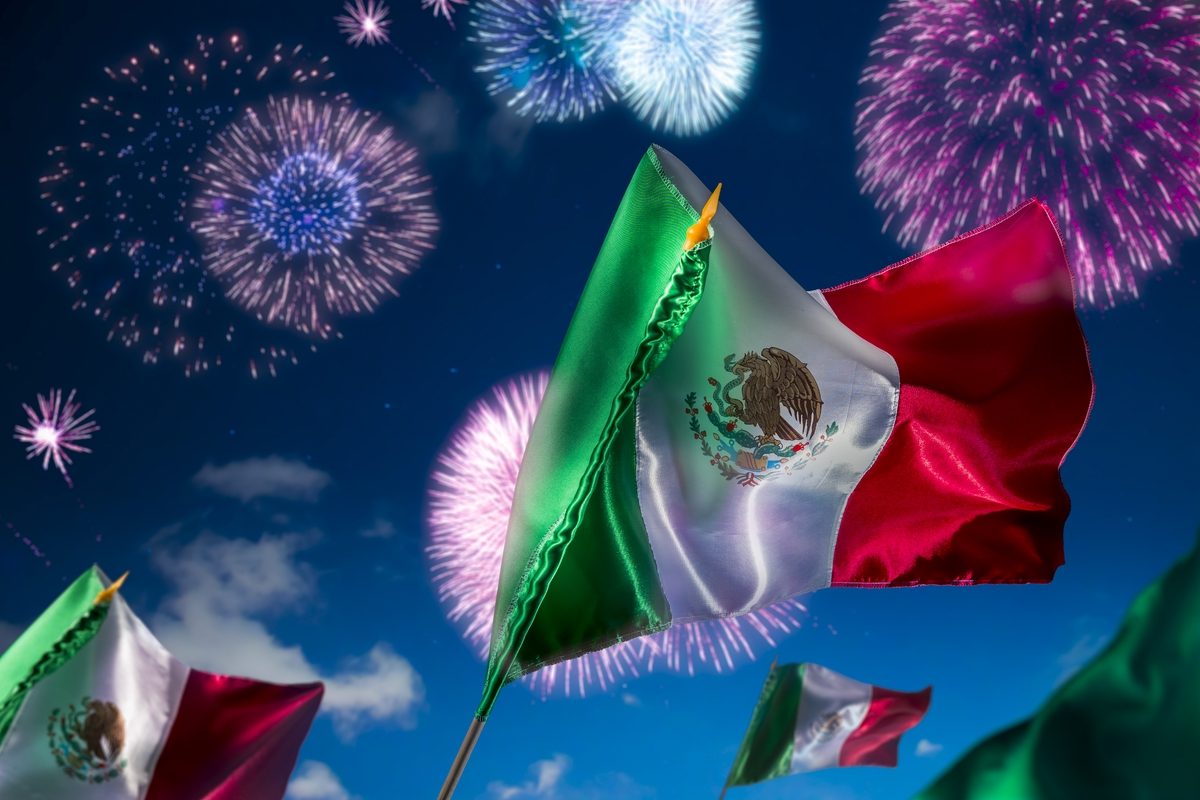
In Mexico City, the president traditionally appears at the National Palace, rings a bell, and leads the crowd in a patriotic call honoring figures from the independence movement. Local officials do the same in plazas across Mexico. The night usually includes fireworks, music, food vendors, and crowds dressed in green, white, and red.
Think of Sept. 15 as the countdown and Sept. 16 as the national holiday itself.
For families, the night can feel both civic and personal. You may see children with painted faces, grandparents waving small flags, and vendors selling pozole, elotes, aguas frescas, and tamales. The public pageantry is big, but the family table carries just as much weight.
Mexican Independence Day Is Not Cinco de Mayo
This confusion refuses to die, so let’s be blunt. Mexican Independence Day is Sept. 16. Cinco de Mayo is May 5. They mark different events, different centuries, and different kinds of national memory.
Cinco de Mayo commemorates the Battle of Puebla in 1862, when Mexican forces defeated the French army. It is a real historical event, and it matters in Puebla. But it is not Mexico’s independence day. In the United States, Cinco de Mayo grew into a larger cultural and commercial celebration, especially through restaurant and beverage promotions.
Why does the mix-up matter? Because dates carry meaning. If you call Cinco de Mayo “Mexican Independence Day,” you erase the Grito de Dolores, Miguel Hidalgo, José María Morelos, Vicente Guerrero, and the long war that led to Mexican sovereignty.
Quick comparison
- Mexican Independence Day: Sept. 16, 1810, start of the revolt against Spain.
- Cinco de Mayo: May 5, 1862, Mexican victory over French forces at Puebla.
- National weight: Sept. 16 is a major national holiday in Mexico. Cinco de Mayo is more regional in Mexico and more commercial in the U.S.
How Mexican Independence Day Is Celebrated
Celebrations vary by city, but the main elements are easy to spot. You will see Mexican flags, folklórico dancers, mariachi bands, fireworks, civic speeches, parades, and church or community events. Food is central, too, because national identity often shows up first on the plate.
Common dishes include pozole, chiles en nogada, tamales, tostadas, enchiladas, pambazos, and sweets such as buñuelos or flan. Chiles en nogada has special visual power because its green, white, and red colors echo the Mexican flag (and yes, that is part of the point).
In U.S. cities, the celebration can take on a different texture. Mexican consulates, cultural groups, schools, restaurants, and city governments may host public events. In Arizona, outlets such as The Arizona Republic and azcentral have covered the date because it resonates across the state, where Mexican heritage shapes food, music, politics, business, and family life.
Respectful Ways to Celebrate Mexican Independence Day
You do not need to be Mexican to attend a public festival, eat traditional food, or enjoy the music. But respect is non-negotiable. The holiday is not a costume party, and it is not a generic “fiesta” theme for branding copy.
Start with the basics. Learn what Sept. 16 marks. Say the date correctly. If you are attending a local event, support Mexican-owned businesses, artists, performers, and community groups. Ask questions, but do not make strangers your history teachers for the evening.
- Know the difference between Sept. 16 and Cinco de Mayo before you post or promote an event.
- Use the flag with care. The Mexican flag is a national symbol, not disposable party decor.
- Buy from local vendors when possible, especially family-run restaurants, bakers, and market sellers.
- Credit performers and traditions by name, such as mariachi, norteño, banda, son jarocho, or folklórico.
- Keep alcohol from becoming the whole story. Food, history, music, and family are the center of the holiday.
Mexican Independence Day for Families and Schools
Teachers and parents have a good opening here. Instead of a worksheet with a flag to color, connect the holiday to bigger questions. What is independence? Who gets remembered in national stories? What does freedom cost over 11 years of war?
For younger kids, keep it concrete. Show a map of Mexico, point out Dolores Hidalgo, and explain that a bell and a public speech helped start a movement. Older students can compare the Mexican War of Independence with other independence movements in the Americas. That turns the holiday from a date on a calendar into a real historical case study.
And food can teach, too. A family meal built around pozole or chiles en nogada can open a better conversation than a lecture. Cooking has timing, memory, and repetition. So does history.
Common Questions About Mexican Independence Day
Is Mexican Independence Day a federal holiday in Mexico?
Yes. Sept. 16 is a national public holiday in Mexico. Schools, banks, and many government offices close, and large civic celebrations take place across the country.
Who was Miguel Hidalgo?
Miguel Hidalgo y Costilla was a Catholic priest whose call to revolt in 1810 helped launch the Mexican War of Independence. He was captured and executed in 1811, but his role made him one of the best-known figures in Mexican history.
What does “Grito de Dolores” mean?
It means “Cry of Dolores,” referring to Hidalgo’s call from the town of Dolores. The word “cry” here means a public shout or call to action, not crying tears.
Do people say “Viva México” on Mexican Independence Day?
Yes. “Viva México” is a common patriotic phrase during the holiday. You will hear it during the Grito ceremony and at public celebrations.
What This Holiday Asks You to Remember
The cleanest answer is simple. Mexican Independence Day is Sept. 16, and the biggest public celebrations often begin the night before. But the better answer goes further. This holiday asks you to remember that independence was not instant, tidy, or inevitable.
So if you attend a festival this year, enjoy the music and the food. Bring your kids. Tip the musicians. Learn one new name from the independence movement. The next time someone says Cinco de Mayo is Mexico’s independence day, will you let it slide?