Where the Goblins Came From Explained
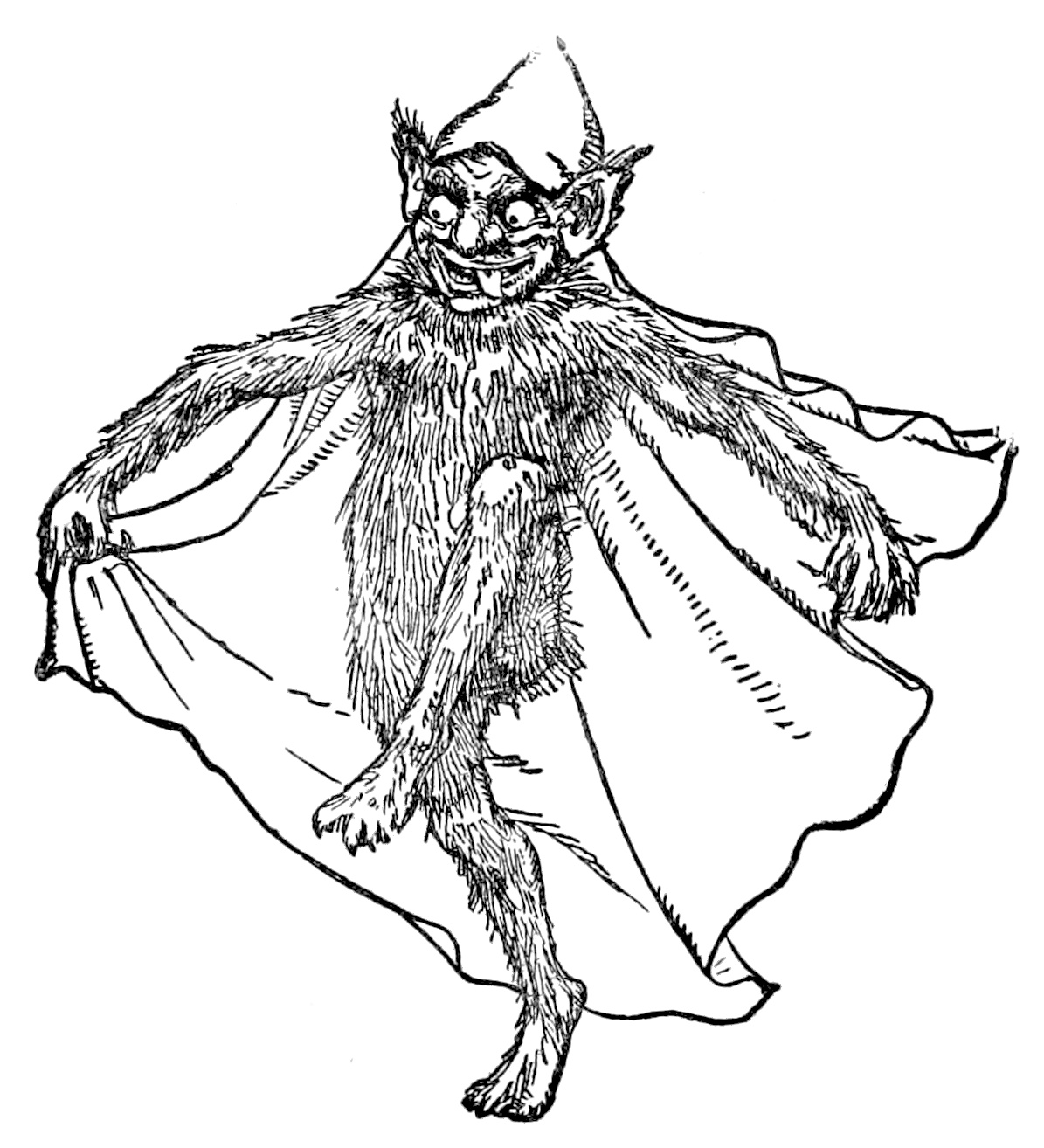
If you read Where the Goblins Came From and felt half-intrigued, half-unsure what to do with it, you are not alone. The piece matters because it points at a stubborn problem in AI. Models can produce behavior that looks odd, unstable, or hard to predict, even when the training process seems straightforward from the outside. That gap matters now because companies are shipping large models into search, coding, education, and customer support, where strange edge-case behavior is not a curiosity. It is a product risk. OpenAI’s goblins framing gives you a memorable way to think about the messy internal patterns that show up during training, and why simple stories about how models work often miss the real action.
What to watch for
- The goblins idea points to hidden internal behaviors that emerge during training.
- Where the Goblins Came From is less about fantasy language and more about interpretability limits.
- For builders, the practical issue is reliability under pressure, especially on strange inputs.
- For observers, the piece is a reminder that polished demos can hide brittle internals.
What Where the Goblins Came From is really saying
Look, the headline is playful. The substance is not. The core point is that AI models can develop internal heuristics and circuits that do useful work, but those same internals may also produce weird failure modes. You train on giant piles of data, optimize for performance, and get a system that works impressively often. But do you fully know what small sub-processes formed inside it? Not really.
That is the tension. Modern machine learning gives you results first and explanations second, if they come at all. The “goblins” label works because it names the feeling many researchers and engineers already have. Something is happening in there. It helps. It also misbehaves.
Strong benchmark scores do not mean we understand the internal logic that produced them.
That is not a fringe concern. Interpretability research has spent years trying to map neurons, circuits, attention patterns, and representation spaces to human-readable concepts. Progress is real, but partial. And partial understanding is awkward when these systems are already deployed at scale.
Why the goblins framing sticks
Good labels survive because they compress a hard idea into plain speech. “Goblins” does that. It captures emergent quirks without pretending every odd behavior is a catastrophic flaw or a sign of sentience. Honestly, that restraint is useful.
Think of it like renovating an old building. The front rooms look clean, the wiring powers the lights, and the place passes a basic inspection. Then you open a wall and find a mess of patches, shortcuts, and mystery routes from three earlier remodels. The building still stands. But you would be foolish to assume you know every weak point.
That is the right mental model for a lot of frontier AI.
Where the Goblins Came From and model reliability
If you build with AI systems, this is the section that matters most. Strange internal patterns become business problems when they surface as hallucinations, brittle prompt sensitivity, strange refusals, or sudden performance drops on edge cases. A model can look polished in a product demo and still fail in production on the tenth weird customer query of the day.
And that is the real issue.
What should you take from that?
- Test outside the happy path. Evaluate on messy prompts, ambiguous language, adversarial phrasing, and domain-specific edge cases.
- Track failure clusters. Do not log only average accuracy. Group failures by pattern, because repeated oddities often reveal the same internal shortcut.
- Use narrow guardrails. Human review, retrieval checks, policy filters, and scoped task design still matter.
- Expect drift in behavior. Fine-tuning, tool access, and system prompt changes can all shift how hidden heuristics fire.
This is one place where hype falls apart fast. Claims that a model is “smart” in the broad sense tell you very little about whether it will behave consistently in a regulated workflow, a legal intake form, or a coding agent with production access.
What this means for interpretability research
The article also lands as a quiet argument for more interpretability work. Not because understanding every parameter is realistic right now, but because better visibility into internal model behavior is becoming non-negotiable. If a system influences decisions, writes code, summarizes medical material, or supports customer operations, surface-level evaluation is not enough.
Researchers have been pushing on this from several angles, including mechanistic interpretability, probing, representation analysis, and red-teaming. Each method helps a bit. None solves the full problem. But that does not make the effort optional.
Here is the practical divide:
- Capabilities research asks what models can do.
- Safety research asks how they fail.
- Interpretability research asks why either one happens.
That third question tends to get less public attention because it is slower, less flashy, and harder to package into a product launch. But it may age better than a lot of benchmark chest-thumping.
How to read OpenAI’s message without swallowing hype
A veteran rule for reading AI company essays is simple. Take the technical concern seriously. Take the framing with a grain of salt. Companies publish these pieces for mixed reasons, including research signaling, recruiting, public education, and reputation management. That does not make the ideas empty. It just means you should read with both eyes open.
In this case, the useful takeaway is not “AI is mysterious magic.” It is almost the opposite. AI systems are built through optimization processes that can produce opaque internal machinery, and that machinery deserves inspection. The goblins metaphor makes that easier to discuss with people outside a lab, which is a point in its favor.
(It also helps that the phrase is memorable enough to survive the weekly flood of AI jargon.)
What teams should do next with Where the Goblins Came From
If your team uses large language models, turn the article into an operating checklist instead of a conversation piece. That means stronger evals, narrower deployment scope, and less faith in smooth demos. Simple, but not easy.
A practical response plan
- Audit task fit. Use models where occasional weirdness is tolerable or easy to catch.
- Design for recovery. Make it easy for users or staff to correct bad outputs.
- Log weird cases. The odd incidents are often more valuable than the average ones.
- Compare versions carefully. Newer is not always steadier for your use case.
- Keep a human in the loop where errors carry legal, financial, or safety costs.
Too many teams still buy the fantasy that one benchmark jump means broad dependability. It does not. Reliability is earned in deployment, under real traffic, with ugly inputs and impatient users.
Where this leaves the rest of us
Where the Goblins Came From is worth your time because it names a real problem in plain English. Large models do not just store facts or mimic style. They develop internal structures that can be useful, slippery, and occasionally bizarre. That should shape how we evaluate products, how we regulate high-stakes use, and how much confidence we place in polished outputs.
The next phase of AI will not be won by the company with the loudest demo. It will go to the teams that can explain, test, and contain the goblins before users meet them first.