Why AI chip stocks fell on fresh Iran tensions
AI chip stocks just took a hit, and you feel it in your portfolio. The latest pullback came as reports surfaced that former President Trump plans to strike Iran hard, adding a geopolitical shock to an already jumpy market. AI chip stocks have been priced for perfection all year, so even a whiff of conflict can yank traders back to reality. You need to know whether this is noise or a signal. Look at how fragile the supply chain is, with foundries, rare earth inputs, and shipping lanes all exposed to Middle East flare ups. Do these headlines change the long-term thesis or just reset overheated valuations for a week?
What matters now
- Risk-off move clipped high-beta names tied to AI demand.
- Supply chain exposure raised fresh questions about fab output and shipping lanes.
- Valuation pressure reminded traders that perfection is pricey.
- Short-term volatility opened entries for patient buyers.
Why AI chip stocks stumbled
Geopolitical stress hits semis fast because fabs run on predictable logistics. A strike on Iran could squeeze Strait of Hormuz traffic, lifting fuel costs and delaying shipments of substrates and gases that fabs need. Traders sold first because the sector was crowded, not because demand for inference silicon suddenly vanished. Pricing in a risk discount makes sense, but the knee-jerk move often overshoots fundamentals.
One-sentence reality check.
Markets punish perfection narratives the moment real-world friction shows up.
Consider how quickly memory and logic names trade in sync when fear spikes. This time, AI leaders with data center exposure moved alongside smaller edge players. That correlation is a tell: the selloff was macro, not company specific.
How AI chip stocks react to geopolitical risk
I have covered semiconductor cycles long enough to see this movie on repeat. A threat in a chokepoint spooks logistics teams, procurement slows, and CFOs guide cautiously. It is a lot like a football team tightening play calls after a key injury. The game plan still works, but yardage comes in shorter bursts.
- Watch fuel and freight indices; they foreshadow foundry cost pressure.
- Track lead times from ASML, TSMC, and key substrate suppliers for early stress signs.
- Map exposure: firms with diversified fab partners ride out shocks better.
But does a headline about Iran change AI server demand curves for 2025? Probably not. It does shift near-term multiples, and that matters if you are trading momentum instead of building a long position.
Positioning your AI chip stocks play
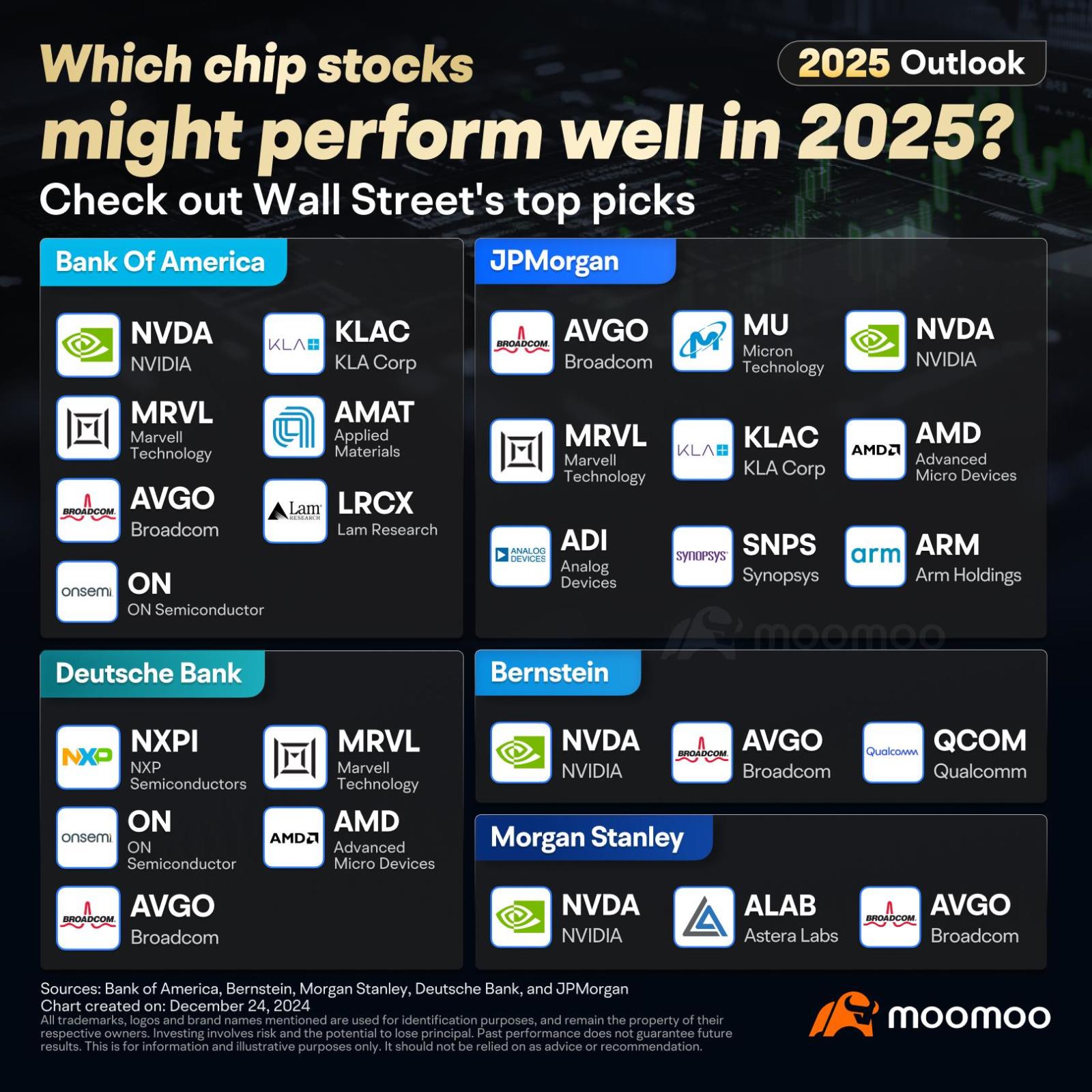
Here is the thing: the best operators keep shipping even when routes shuffle. Nvidia, AMD, and their upstream partners built buffer stock after pandemic scars. That resilience blunts the impact of a week of fear-driven selling. I would still trim names that ran far ahead of earnings power, because geopolitics just supplied a reminder that risk-free narratives do not exist.
Use volatility to test your conviction. Add only where balance sheets and contracts show real pricing power. If a company needs flawless macro to justify its price, step aside until the air clears.
Where this leaves investors
Geopolitical headlines fade, but they leave a mark on how the market prices fragility. Next time you see AI chip stocks sprint on hype, remember how fast a single news alert can reset the scoreboard. Do you really want to chase, or will you wait for the next clean entry?