Why Graduates Booed AI CEOs
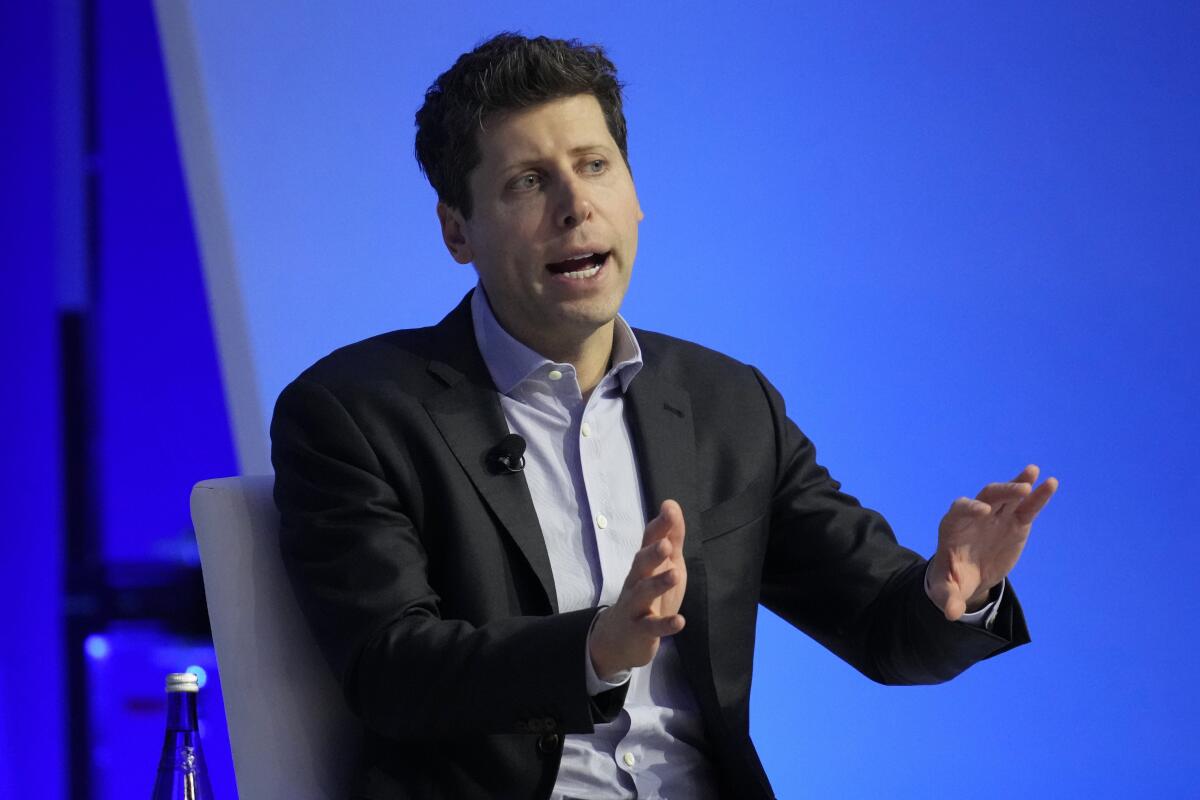
You keep hearing that AI leaders are building the future. Then a graduation stage turns into a public rebuke. That tension matters because the AI CEO backlash is no longer a niche internet argument. It is showing up at elite universities, in front of faculty, families, and students who are about to enter a shaky job market. The message is hard to miss. Many graduates do not see AI executives as neutral builders of progress. They see powerful people tied to labor anxiety, weak accountability, and a tech culture that wants applause before it has earned trust. The Verge recently highlighted this mood in a report on graduates booing AI CEOs at commencement ceremonies. If you want to understand where public opinion on AI is headed, start there. A commencement speech is supposed to be a victory lap. Instead, it became a stress test.
What this moment signals
- Student protests are turning AI criticism into a mainstream public event.
- The AI CEO backlash is tied to jobs, ethics, campus politics, and credibility.
- Commencement speeches now carry reputational risk for tech leaders.
- Universities look caught between donor logic and student sentiment.
The AI CEO backlash is about more than one speech
The Verge report points to a visible pattern. Students are not only questioning AI products. They are challenging the people selling the story around those products. That is a different level of resistance.
Why does that matter? Because public anger aimed at a company can often be managed with a product update, a policy memo, or a polished interview. Anger aimed at the figurehead is stickier. It turns the executive into the symbol of every unresolved fear around automation, copyright fights, surveillance, and concentrated power.
Graduation boos are not random theater. They are a public signal that parts of the next professional class do not buy the industry script.
Look, students do not usually boo commencement speakers unless the frustration is already loaded and waiting. A campus ceremony is formal, scripted, and full of social pressure. Breaking that script takes conviction.
Why students are reacting so sharply to AI CEOs
Jobs are the obvious fault line
Many new graduates are entering fields where generative AI is already changing hiring plans, entry-level work, and team structure. Media, design, software, marketing, and customer support all sit in the blast radius. Students hear executives praise efficiency, then read layoffs. That gap lands badly.
And yes, some of the fear is speculative. But some is rational. The World Economic Forum has said technology shifts will displace some roles while creating others, yet that kind of long-range framing does little for a senior who needs a first job this summer.
Trust in tech leadership is thin
AI executives often speak in sweeping terms about human potential, safety, and productivity. Fine. But many students have watched the broader tech industry stumble through privacy failures, content moderation messes, labor disputes, and monopoly concerns. They are not starting from a blank slate.
Honestly, this is where the industry keeps misreading the room. The public does not judge AI in isolation. It judges AI through the reputation of Big Tech and startup culture, which is a bit like judging a new airline by the last three that lost your luggage.
Campuses are political spaces
Universities are not neutral stages. Students bring concerns about war, labor, climate, tuition, inequality, and institutional power into graduation season. An AI CEO can walk into that atmosphere believing the speech is about innovation. The audience may see a representative of a much larger system.
That mismatch matters.
What commencement protests reveal about AI’s public image
The AI CEO backlash shows that public opinion has moved past simple fascination. The early phase of generative AI was driven by curiosity. People tested chatbots, image tools, and coding assistants because they were new and weird and sometimes useful. But novelty fades fast.
Now the harder questions are taking over. Who benefits? Who loses? Who gets paid? Who gets replaced? Who is accountable when AI systems cause harm or siphon value from creators and workers?
That is why these graduation moments feel bigger than campus drama. They compress a broad social argument into a few loud seconds. A boo at a commencement speech is like a crack in a building facade. The structure may still stand, but the stress underneath is suddenly visible.
Why universities are in an awkward spot
Schools want prominent speakers. They want donor ties, industry access, and a brand halo that suggests their graduates are connected to the future. AI leaders fit that script on paper. But students increasingly want institutions to weigh values, not just prestige.
This creates a problem for administrators. If they invite high-profile tech executives, they risk protest. If they avoid them, they may look reactive or timid. Either way, the old assumption that a famous CEO is an automatic win looks dated.
- Students want speakers who reflect lived concerns, not just market power.
- Universities want relevance and visibility.
- Tech leaders want legitimacy from respected institutions.
Those goals overlap less than they used to.
What AI companies should learn from the backlash
Here is the practical part. If AI companies treat these incidents as shallow anti-tech performance, they will miss the point. The boos are feedback. Messy feedback, sure, but still feedback.
1. Stop leading with destiny talk
Claims that AI change is inevitable tend to inflame critics, not calm them. People hear inevitability as a dodge. They want choices, safeguards, and specifics.
2. Address labor anxiety with details
Vague promises about new opportunity are weak. Show where jobs are changing, what tasks are being automated, what training exists, and how workers share the upside. If you cannot answer that cleanly, the public will fill in the blanks for you.
3. Respect hostile audiences
A skeptical crowd is not always misinformed. Sometimes it is paying attention. Executives who can face criticism directly will fare better than those who rely on polished abstractions and campus-friendly buzzwords.
4. Earn legitimacy outside the product demo
People do not judge AI firms only by model benchmarks or feature launches. They watch lawsuits, artist disputes, environmental costs, data practices, and labor effects. Reputation is now a full-stack issue.
Will the AI CEO backlash grow?
Probably, at least in the near term. Public protest tends to spread when it is visible, easy to replicate, and tied to broad economic fear. Commencement ceremonies check all three boxes. They are symbolic, public, and emotionally charged.
But this is not guaranteed to become a permanent trend. Some of it depends on whether AI leaders adjust. If they keep selling a frictionless future while young workers feel the floor moving under them, expect more backlash. If they get more concrete, more accountable, and less self-congratulatory, the temperature could drop.
One more point matters here (and the industry should take it seriously). Today’s graduates are tomorrow’s employees, founders, regulators, researchers, and customers. Booing an executive at graduation may look like a small spectacle. It can also be an early signal of where cultural power is shifting.
What to watch next
Pay attention to which institutions keep inviting AI executives, and how those speeches are framed. Watch whether student criticism stays focused on individual leaders or broadens into campus demands about hiring, curriculum, research funding, and vendor relationships. And watch whether AI companies respond with substance or with better stage management.
The industry still has time to fix the trust problem. The real question is whether it wants admiration more than accountability.