X’s MCP Server Makes AI Access Easier
If you build AI tools that need fresh social data, X’s new MCP server matters right away. It gives assistants and agents a cleaner way to talk to the platform, which can cut down on brittle scraping and custom integrations. That sounds tidy on paper. The real question is whether X is opening a door for developers, or simply moving the gate to a new place.
This change lands at a tense moment. AI products want structured access to live content, while platform owners want more control over how that content gets used. If your workflow depends on X posts, replies, or account data, the details here are non-negotiable. And if you are trying to build an AI app that feels reliable, one unstable API can turn the whole stack into a house of cards.
- MCP gives AI tools a standard way to request data and actions.
- X’s move can reduce custom code for developers who connect agents to the platform.
- It also gives X more leverage over how outside tools interact with its data.
- The big issue is not just access, but permissions, limits, and pricing.
What X’s MCP server actually changes
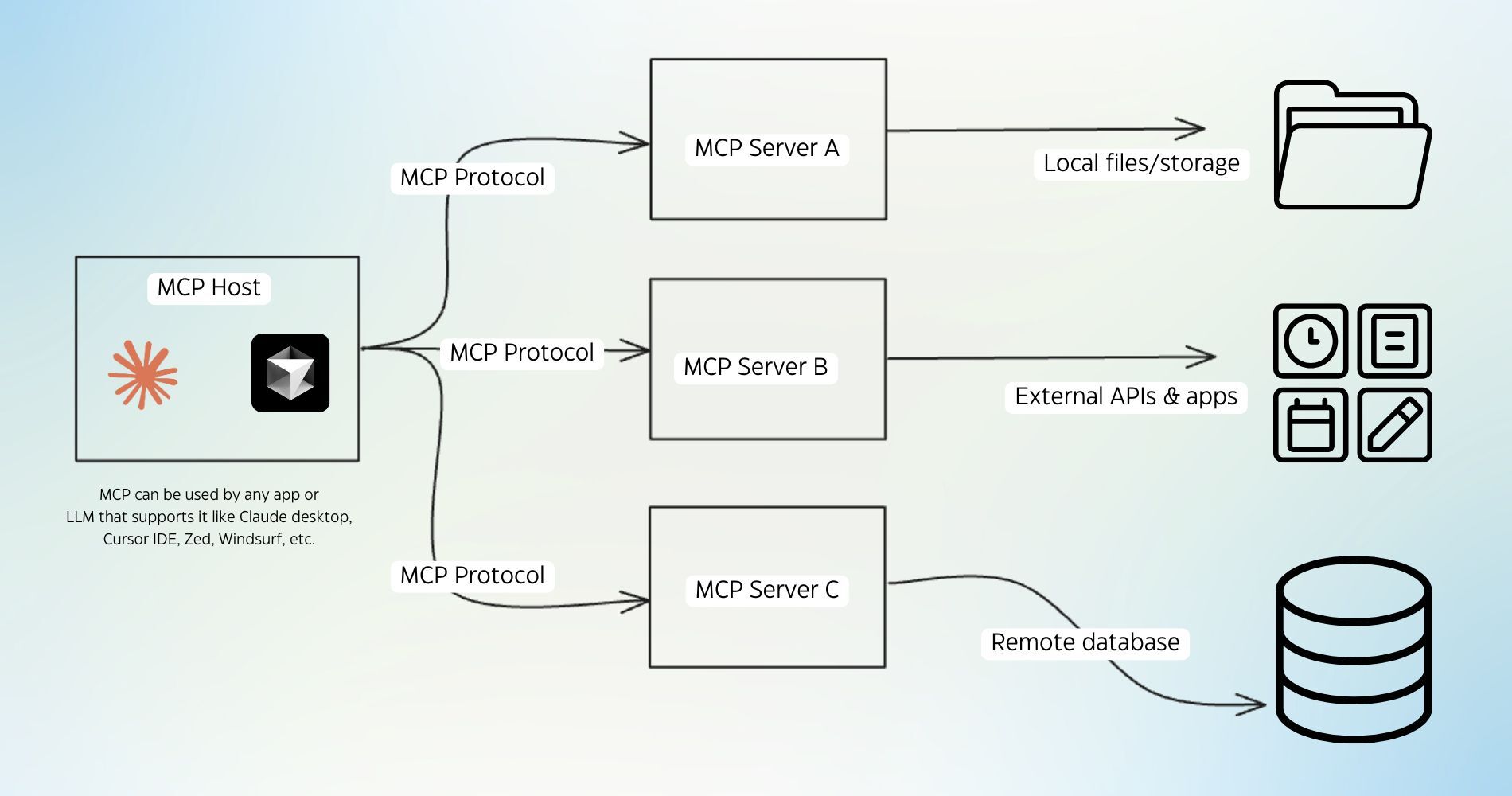
Model Context Protocol, or MCP, is a standard for connecting AI systems to external services. Instead of writing one-off connectors for every app, developers can use a shared pattern for requests, tools, and responses. Think of it like a common adapter for a busy kitchen. Every appliance still does its own job, but the plugs finally match.
For X, that means AI tools can interact with the platform in a more structured way. A chatbot could pull posts, inspect accounts, or trigger supported actions without the mess of custom scraping logic. That is the practical upside. Less glue code. Fewer brittle workarounds. Cleaner plumbing.
But a standard is only useful if the service behind it stays consistent. Will X keep the MCP surface stable, or will it change limits as business needs shift? That question matters more than the announcement itself.
Why developers care about the MCP server
Developers are always hunting for less friction. If MCP support is solid, teams can plug X into agents, analytics tools, or internal dashboards with less engineering overhead. That can save time on onboarding and maintenance, especially for products that need near real-time social signals.
Standard interfaces help. They do not erase platform risk.
Here is the catch. A standardized connector does not guarantee broad access. X still controls what data is exposed, what actions are allowed, and how often tools can call the service. That puts developers in the same familiar spot they have occupied for years, only with a nicer wrapper.
- Use MCP when you need predictable integration patterns.
- Check what endpoints and actions X actually exposes.
- Plan for rate limits and policy changes from day one.
How this fits into X’s broader AI strategy
X has spent years trying to redefine itself as more than a social feed. AI is central to that push. Giving outside tools a cleaner path into the platform can help X stay relevant as agents become a bigger part of software workflows. It also keeps X in the conversation as companies choose where their AI systems should connect.
There is another motive here too. If X becomes the place where AI tools can reliably fetch live social context, it can position itself as infrastructure, not just content. That is a stronger business story than chasing engagement alone. But infrastructure comes with expectations. Developers expect uptime, clear rules, and decent documentation. Miss those, and the whole pitch starts to wobble.
What to watch next
Look for three things. First, the scope of the MCP server. Second, whether X ties it to paid access or strict tiers. Third, how much control users get over data exposure. Those details will decide whether this is a serious developer tool or another platform experiment with a short half-life.
If you build on X, test the integration early. Don’t wait for the ecosystem to settle. The first teams to see the limits will understand the real value faster than everyone else.
Why this matters for the AI tools market
The bigger story is not X alone. More platforms are deciding that AI agents need formal access points, not scraped workarounds. That shift could make the web easier to automate, but it can also narrow who gets to plug in and on what terms. The line between open access and controlled access is getting thinner.
For now, X’s MCP server looks like a practical move with strategic intent behind it. Helpful for developers. Useful for X. And still very much under the platform’s thumb. If MCP becomes the default way AI tools reach major services, who sets the rules next?
What X’s MCP server means for your stack
If your product depends on social data, you should treat this as a signal, not a finished solution. Test the integration. Compare it with your current API setup. Measure what breaks, what speeds up, and what gets blocked.
The companies that win here will not be the ones with the loudest AI pitch. They will be the ones that make access boring, stable, and predictable. That is the real prize.