Zuckerberg’s AI Agent Bet: What It Means for Meta
Meta keeps telling investors and users that AI is the next big platform shift, and now Mark Zuckerberg is leaning harder into AI agent products. That matters because the company is not just chasing a chatbot trend. It is trying to turn AI into something that can plan, act, and keep people inside Meta’s apps for longer.
If that sounds familiar, it should. Every major tech platform wants an assistant layer sitting on top of search, messaging, shopping, and work. The question is simpler than the hype suggests. Can Meta make an AI agent useful enough that people trust it with real tasks?
The answer will shape more than one product launch. It could affect ad revenue, user retention, and how fast Meta catches up with rivals like OpenAI, Google, and Microsoft.
What stands out about Meta’s AI agent push
- Meta wants agents, not just chatbots. That means tools that can act on your behalf, not only answer questions.
- The company can place AI inside Facebook, Instagram, WhatsApp, and Messenger. That distribution is a real advantage.
- Trust will decide the pace. People may chat with an AI easily, but they hesitate when it starts taking action.
- The ad business gives Meta a huge incentive. Better AI could improve targeting, engagement, and commerce.
- The competitive bar is high. OpenAI and Google are already setting user expectations for assistant-style products.
Why the AI agent idea matters now
Meta has spent years building recommendation systems that predict what you want to see. An AI agent is a different animal. It has to infer intent, make choices, and sometimes complete steps on its own.
That is a much harder product problem. It is also a much bigger business opportunity. If an agent can book, recommend, summarize, and coordinate inside Meta’s apps, the company gets a sticky layer above messaging and feeds. Think of it like adding a capable concierge to a busy hotel lobby. The lobby already has traffic. The concierge controls where people go next.
That is the real prize. Not a flashy demo.
How Meta could use an AI agent across its apps
Meta has more surface area than most AI companies. That gives it room to test different jobs for an agent without starting from zero.
- Inbox help in WhatsApp and Messenger. Draft replies, summarize threads, and surface action items.
- Content support in Instagram and Facebook. Suggest captions, plan posts, and answer questions about creator tools.
- Commerce help. Assist with product discovery, order tracking, and follow-up questions.
- Ad and business tools. Help small businesses create campaigns, respond to customers, and manage leads.
But each step raises the same issue. What can the agent do without crossing a line? Users will tolerate assistance. They will not tolerate a system that feels nosy or overconfident. Why would they?
Meta’s edge is distribution. Its risk is overreach. If the agent feels too pushy, people will shut it off fast.
What makes AI agent products hard to ship
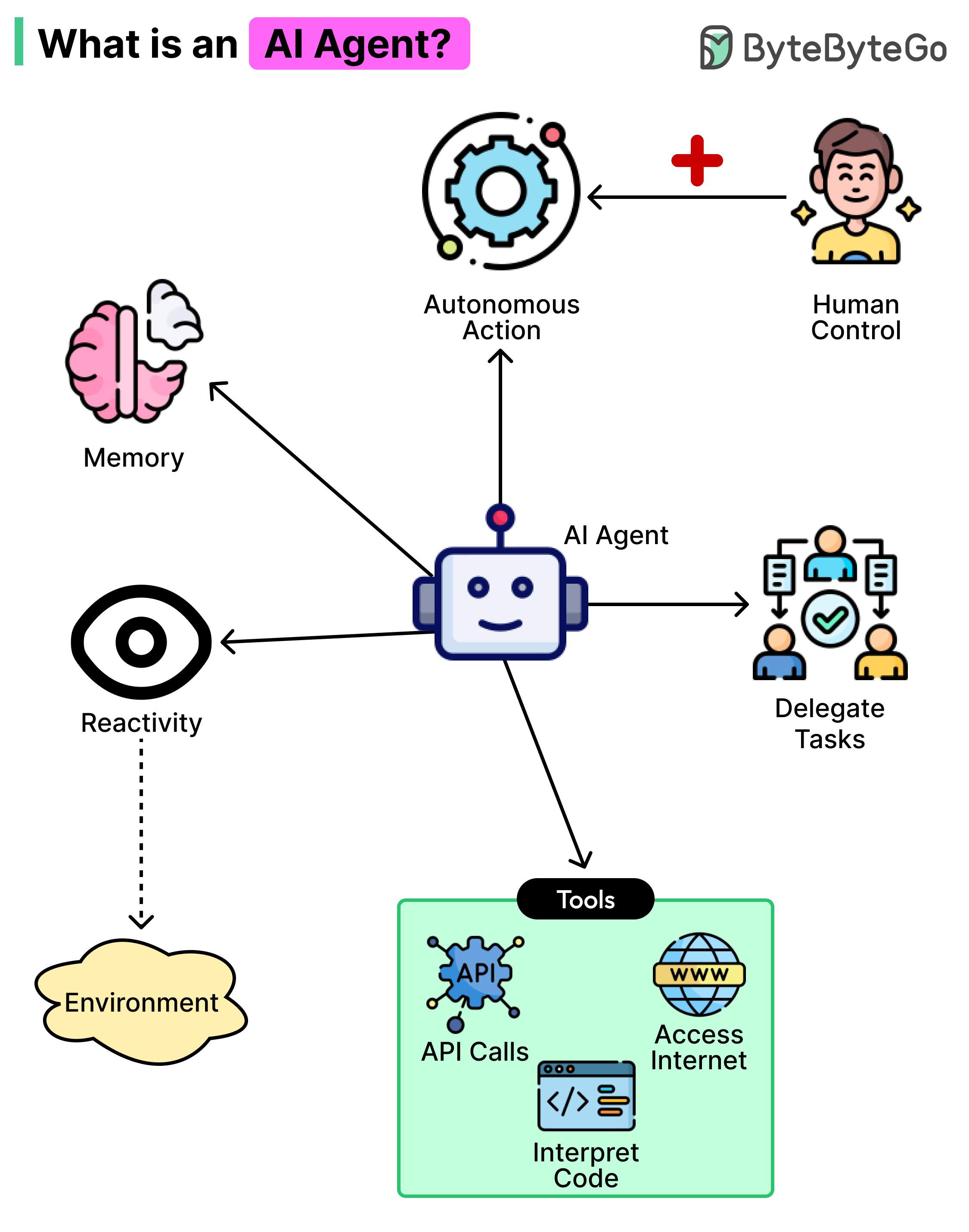
The tech demo is the easy part. The hard part is reliability. Agents need memory, permissions, and good judgment. They also need a way to recover when they get something wrong.
That is where most AI products still stumble. A chatbot can give a wrong answer and move on. An agent that sends the wrong message or books the wrong thing creates a real mess. It is a bit like handing someone your house keys after one good conversation. Would you do that on day one?
Meta also has a public trust problem to manage. The company already faces skepticism over privacy and content moderation. An AI agent that sees more, remembers more, and acts more could make that tension worse unless Meta sets strict limits and explains them clearly.
What this means for the AI race
Meta is not trying to win with a single model release. It is trying to embed AI into products billions of people already use. That is a different strategy from pure model companies, and it may be smarter in some ways.
OpenAI still has the lead in mindshare. Google has search, Android, and Workspace. Microsoft has Copilot across enterprise software. Meta has consumer reach and social graphs. If agents become useful enough, that reach could matter a lot.
Still, reach is not everything. Product quality will decide whether Meta’s AI feels like a helper or a gimmick. The company has to prove that its agent can save time without creating new friction. That is the line.
What to watch next
Watch for three signals. First, look at where Meta places the agent. If it shows up in messaging first, the company is betting on utility. If it shows up in content creation tools, Meta is chasing creator habits. If it lands in business tools, Meta is going after revenue directly.
Second, watch how much control users get. Strong privacy settings, clear permissions, and easy opt-outs will matter more than marketing language. Third, watch whether Meta ties the agent to real tasks or just conversation. Conversation alone will not move the needle for long.
Meta has enough scale to make this interesting. It does not have enough goodwill to be sloppy. That is the tension. And it is exactly why this AI agent push deserves attention now.
The next test for Meta
Meta’s AI agent strategy will live or die on usefulness. If it saves time, people will keep it around. If it feels like another layer of noise, they will ignore it.
The next few product moves should tell us which side Meta is on. Will the company build an agent that people actually trust with real work, or just another demo wrapped in hype?