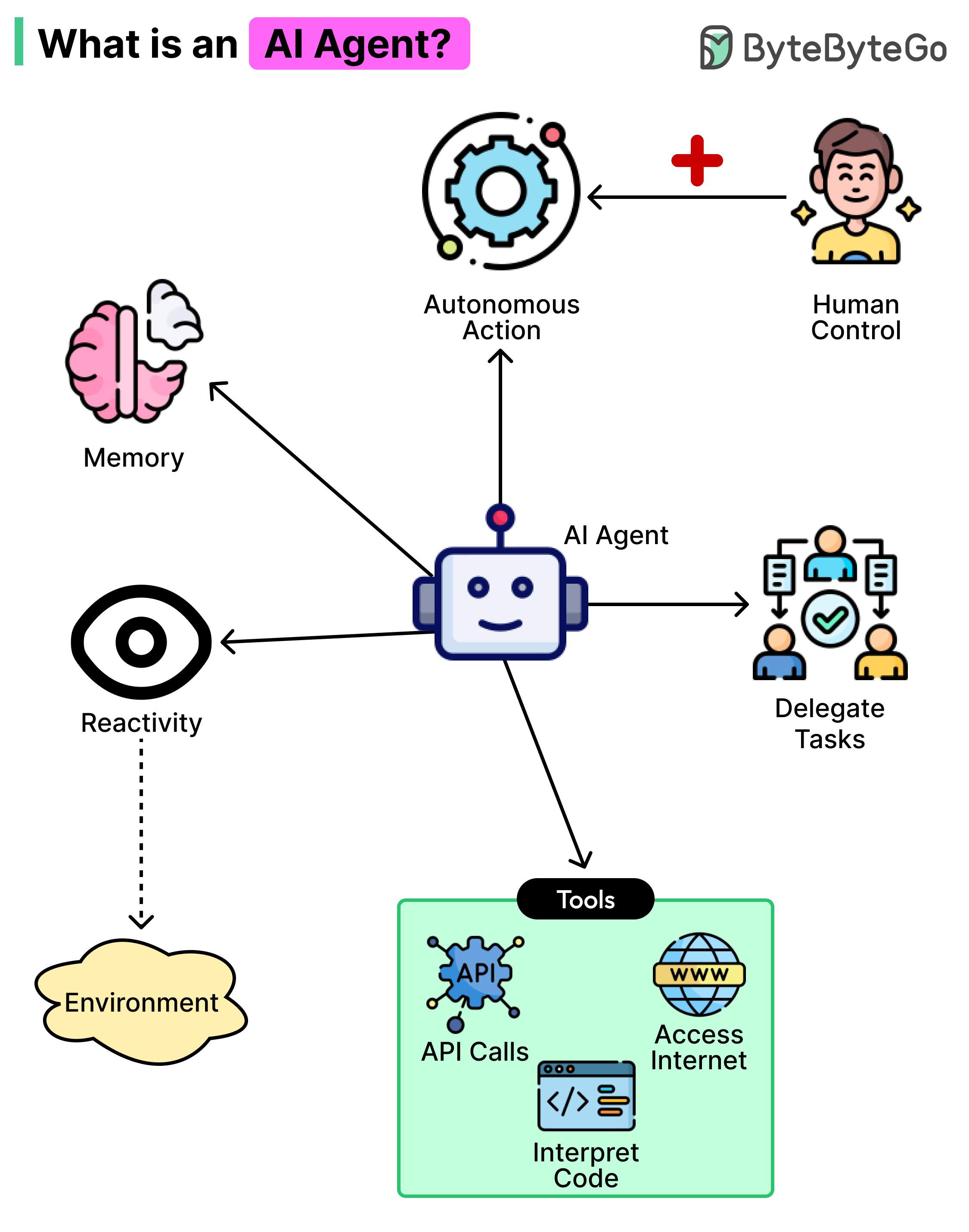
Acti Brings AI Agents to Your Smartphone Keyboard
Your keyboard is where work already happens. You type messages, search, book, edit, and copy text between apps all day. That makes the keyboard a smart place for AI agents, because it sits right where your next action starts. Acti wants to turn that strip at the bottom of your screen into a control point for tasks, not just words. The idea sounds neat. It also raises a hard question. Do you really want an assistant with that much access to your typing habits, app flow, and personal context?
That is the tension here. If Acti works, it could shave real time off repetitive phone work. If it stumbles, it becomes another layer of AI polish glued onto a basic tool you already use hundreds of times a day.
- Acti places AI agents inside the smartphone keyboard, where daily actions begin.
- The appeal is speed. Fewer app switches, fewer taps, less copy and paste.
- The risk is obvious. A keyboard sees a lot of sensitive data.
- Success will depend on trust, not hype.
- This category will live or die on practical usefulness, not demo tricks.
Why put AI agents in the keyboard?
Because the keyboard is already the busiest part of the phone. It sees messages, email replies, addresses, search terms, and quick notes. That gives an AI system immediate context, which can make short tasks faster and less annoying. You should not have to open three apps to rewrite a text or fill out a form. That is the pitch.
Think of it like moving the kitchen prep station next to the stove. You still cook the same meal, but you waste less motion. That is the promise of AI agents in a smartphone keyboard.
The best mobile AI features do not announce themselves. They remove taps, copy steps, and tiny interruptions.
What this mainKeyword changes in daily use
Here is the practical angle. A keyboard-based agent can sit in the middle of common phone chores. It can help you rewrite a message, summarize a pasted block of text, draft a reply, or pull up the right app action without making you hunt through menus. That is useful if it stays quick and accurate.
But speed alone is not enough. Phone users notice when a tool adds friction instead of removing it. If the agent needs too much prompting, or if it keeps guessing wrong, people will turn it off. Honestly, that is what kills most mobile AI features.
- Drafting: Turn a rough sentence into something clearer.
- Editing: Fix tone, grammar, or length before you send.
- Actioning: Open the right app or start a task from text context.
- Searching: Pull answers from what you are already typing.
What makes this mainKeyword different from chatbots?
Chatbots wait for you to ask. Keyboard agents sit closer to the moment of intent. That matters. When you are on a phone, every extra step feels expensive. A keyboard that can infer what you want from the text you are entering may feel more natural than bouncing in and out of a separate chat window.
But there is a catch. A keyboard is not a neutral surface. It can see passwords, private messages, account numbers, and draft thoughts you never meant to share. So the product has to prove that it handles data carefully. Not in a vague privacy statement. In behavior you can inspect.
The trust problem is the real product problem
Any company putting AI agents into the keyboard has to answer three questions clearly. What data is processed? Where does it go? How long is it kept? If those answers are fuzzy, the feature will feel intrusive no matter how slick the interface looks.
That is why the security model matters as much as the model quality. A keyboard is like the front door of your house. You want convenience, sure. But you also want a lock you understand.
What to watch before you install it
Acti will need to prove that the feature is fast, accurate, and easy to control. If the AI is buried in menus, it loses the point. If it is always on, users may worry about what it can see. Good mobile tools strike a sharp balance between reach and restraint.
Look for these signs:
- Clear controls for turning AI features on and off.
- Visible permissions that explain what the keyboard can access.
- Low latency so the keyboard does not feel sluggish.
- Consistent output that does not drift from task to task.
- Plain pricing if the best features sit behind a paywall.
One sentence matters here: small delays kill keyboard tools faster than bad marketing ever could.
Why this matters for the wider AI market
The next phase of consumer AI will not be defined only by model size. It will be defined by placement. Where does the AI live? How close is it to the action? A keyboard-based agent is a strong answer because it is already embedded in a high-frequency workflow.
Still, the category is crowded with ideas that look clever in demos and thin in daily life. The winners will be the products that save time without demanding trust on blind faith. If Acti can do that, it may point to a more useful kind of mobile AI. If not, it joins the pile of features people try once and forget.
What comes next for smartphone keyboard AI?
Expect more tools to follow this pattern. First the keyboard. Then maybe the notes app, the browser bar, the email composer, and the share sheet. Each one is a narrow doorway into a bigger agent system. That is the play.
The real test is not whether AI can live in your keyboard. It is whether you want it there every day. And that answer will decide whether this becomes a normal part of phone use or just another flashy app store experiment.