AI Agent Operating System: Chesky’s Smart Warning
Your AI assistant can draft emails, compare flights, summarize meetings, and fill a cart. The harder problem is what happens when it acts for you across apps, accounts, money, and personal data. That is why the idea of an AI agent operating system matters now. In a TechCrunch interview, Airbnb CEO Brian Chesky argued that AI agents need their own operating system, not another chatbot window bolted onto old software. He is right to push the conversation beyond demos. Agents will not become dependable helpers because they sound friendly. They need rules, identity, memory, permission controls, audit trails, and ways to hand work back to you when judgment is needed. Without that layer, the agent era turns into a pile of clever bots with no referee.
What Chesky’s AI Agent Operating System Idea Gets Right
- Agents need infrastructure, not vibes. A pleasant chat box does not solve authentication, payment approval, or error recovery.
- Trust will decide adoption. Users need to see what an agent did, why it did it, and how to reverse it.
- Apps may become back-end services. If agents handle intent, traditional app interfaces could matter less.
- Companies need new design rules. Agent workflows require permissions, logs, and escalation paths from day one.
What Is an AI Agent Operating System?
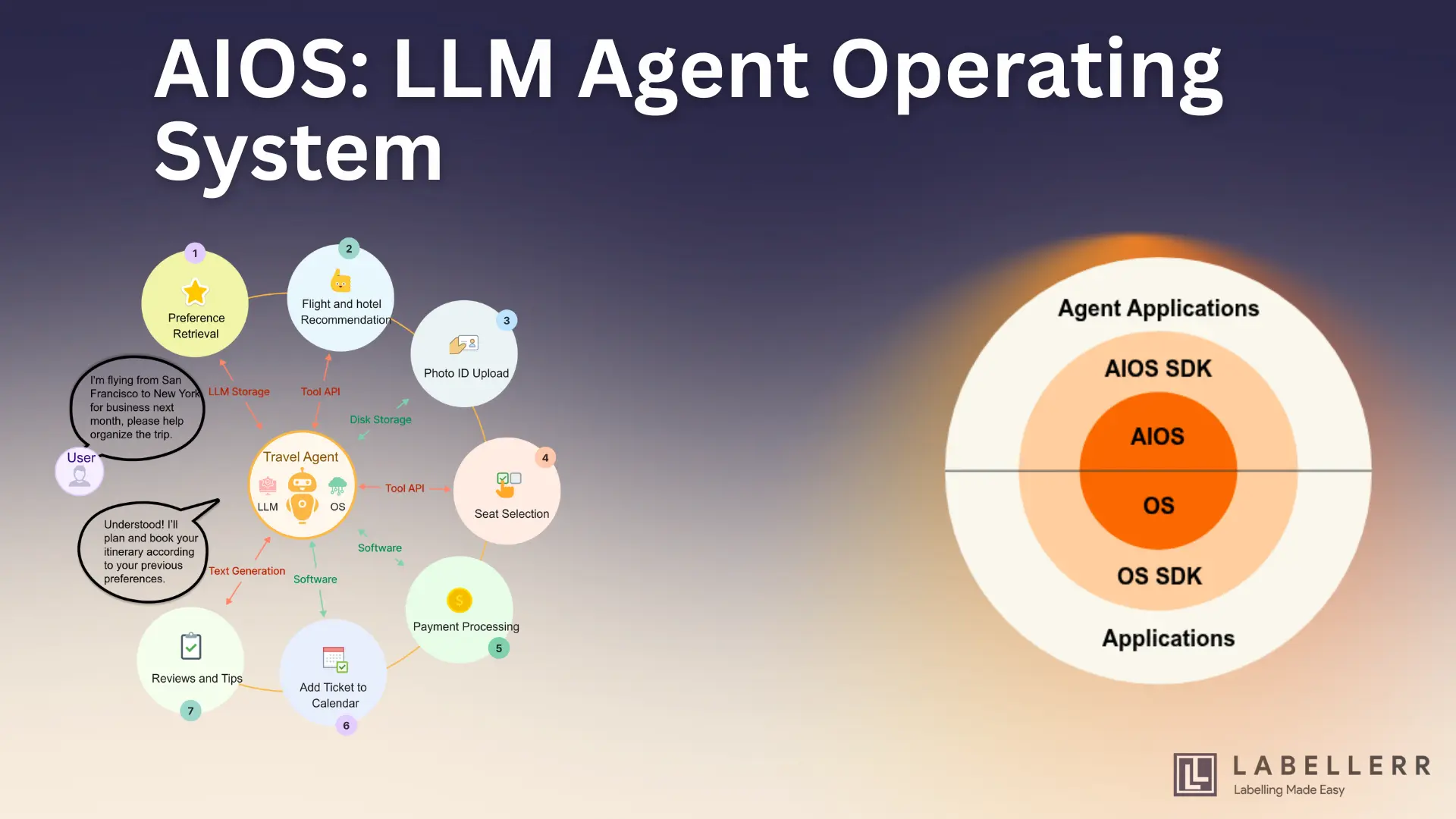
An AI agent operating system is not Windows for chatbots. Think of it as the control layer that lets agents safely work across software, data, and user intent, much like a hotel front desk coordinates rooms, keys, payments, and service requests while guests see one point of contact.
That layer would decide what an agent can access, which actions require approval, how long memory lasts, and how mistakes get fixed. It would also manage context across services like Gmail, Slack, Salesforce, Airbnb, Stripe, Google Calendar, and travel platforms.
That sounds boring until an agent spends your money.
Look, the tech industry loves a flashy demo. But a real agent has to survive dull moments, expired logins, missing receipts, conflicting calendar events, partial refunds, and a user who changes their mind halfway through a task.
Chesky’s point is blunt: if agents are going to act on your behalf, the industry needs something deeper than a chatbot pasted onto an app.
Why the AI Agent Operating System Matters for Airbnb and Everyone Else
Airbnb is a useful lens because travel is messy. A guest might need lodging, transport, restaurant ideas, pet rules, refund options, local regulations, payment splitting, and customer support, all inside one trip.
An agent could help with that, but only if it knows the boundaries. Should it book the cheaper stay with worse reviews? Should it message a host without asking? Should it accept a cancellation policy that locks you in?
These are product questions, not model-size questions. The best language model in the world still needs a product system that defines consent, accountability, and user control.
The shift from apps to intent
For years, software companies trained users to open apps and tap through menus. Agents flip that pattern. You state the outcome, then software handles the steps.
What happens to app loyalty when the agent becomes the main interface? If your assistant books the stay, orders the ride, and files the expense report, the old fight for home-screen placement starts to look dated.
What an AI Agent Operating System Must Include
The phrase can sound abstract, so make it practical. A serious agent control layer needs several parts that product teams can test, measure, and explain to users.
- Identity: The system must know whether the agent is acting as you, for you, or as a limited delegate. Those are different legal and product states.
- Permissions: Users need granular controls. Reading a calendar is not the same as moving a meeting or paying a vendor.
- Memory: Agents should remember preferences, but memory needs expiration, editing, and deletion tools. A stale preference can cause a bad decision.
- Transaction rules: Money actions need caps, approval steps, receipts, and chargeback paths. No serious consumer brand can skip this.
- Audit logs: Users should see a plain-language record of actions. The log should explain what happened, which data was used, and which tool was called.
- Fallback to humans: Some tasks need support staff, not another model response. Travel disputes, fraud, and safety issues are obvious examples.
Developers also need stable APIs for agent behavior. If every app invents its own permission grammar, users will drown in inconsistent prompts and companies will ship brittle integrations.
The Hard Part Is Not the Model
OpenAI, Anthropic, Google, Meta, and Microsoft are racing to make models more capable. That matters, but agents fail in the gaps between products. A model can understand a travel request and still break down when the hotel site rejects a card or a host replies with a condition that changes the deal.
I have covered enough platform shifts to distrust the first wave of certainty. Mobile did not win because phones got prettier. It won because app stores, payments, maps, cameras, sensors, and developer tools lined up over time.
Agents need a similar stack, but the risk is higher. A bad mobile app wastes your time. A bad agent can leak data, approve the wrong purchase, or lock you into a policy you never read.
What Companies Should Do Now
If you run product, support, security, or operations, do not wait for a perfect industry standard. Start by mapping where an agent could act inside your product and where it must stop.
- List every user action that changes money, access, safety, or legal status.
- Separate low-risk suggestions from high-risk actions that need approval.
- Write plain permission prompts that a tired user can understand.
- Create logs that customer support can read without engineering help.
- Test agent handoffs with real edge cases, such as refunds, account recovery, and conflicting instructions.
One useful rule: if you would not let a junior employee do the task without supervision, do not let an autonomous agent do it without guardrails. That frame cuts through a lot of vendor noise.
The AI Agent Operating System Will Be a Power Struggle
Chesky’s comment also points to a larger fight. Whoever controls the agent layer may control demand, discovery, customer relationships, and transaction fees. That is why this will not stay a technical debate for long.
Apple, Google, OpenAI, Microsoft, Amazon, and major consumer platforms all have reasons to own this control point. Airbnb and other marketplace companies have a different incentive. They do not want a general-purpose assistant to reduce their brand to a commodity booking endpoint.
That tension will shape the next few years. Users want convenience, platforms want control, and regulators will ask who is responsible when an agent makes a bad call (as they should).
Build the Guardrails Before the Agent Takes the Wheel
Chesky’s argument lands because it treats agents as a systems problem, not a magic trick. The winners will be companies that make agent behavior visible, reversible, and bounded.
If you are evaluating agent tools this quarter, ask one blunt question before the demo ends: where is the operating system for trust?