AI Agents Need Proof, Not Promises
You are being asked to believe that AI agents will soon book travel, file expenses, write code, chase invoices, and run whole business workflows with little supervision. That sales pitch matters because budgets are moving now, not in some distant product cycle. The main problem with AI agents is not ambition. It is reliability. A chatbot can be wrong and still be useful. An agent that clicks the wrong button, sends the wrong email, or changes the wrong customer record creates a real mess. The Steady essay “That’ll Be the Day” points at the gap between confident tech claims and the slower grind of actual adoption. I have covered enough software waves to know the pattern. The demo comes first. The damage control comes later. So what should you believe, and what should you test before buying in?
What to Watch
- AI agents are workflow software with decision-making layered on top. Treat them like operational systems, not toys.
- The biggest risk is silent failure. A bad answer is obvious. A bad action may hide inside your tools.
- Human review still matters. The best systems keep people in the loop for approvals, exceptions, and audit trails.
- Buy for narrow jobs first. Start with bounded tasks where success and failure are easy to measure.
Why AI Agents Feel Different From Chatbots
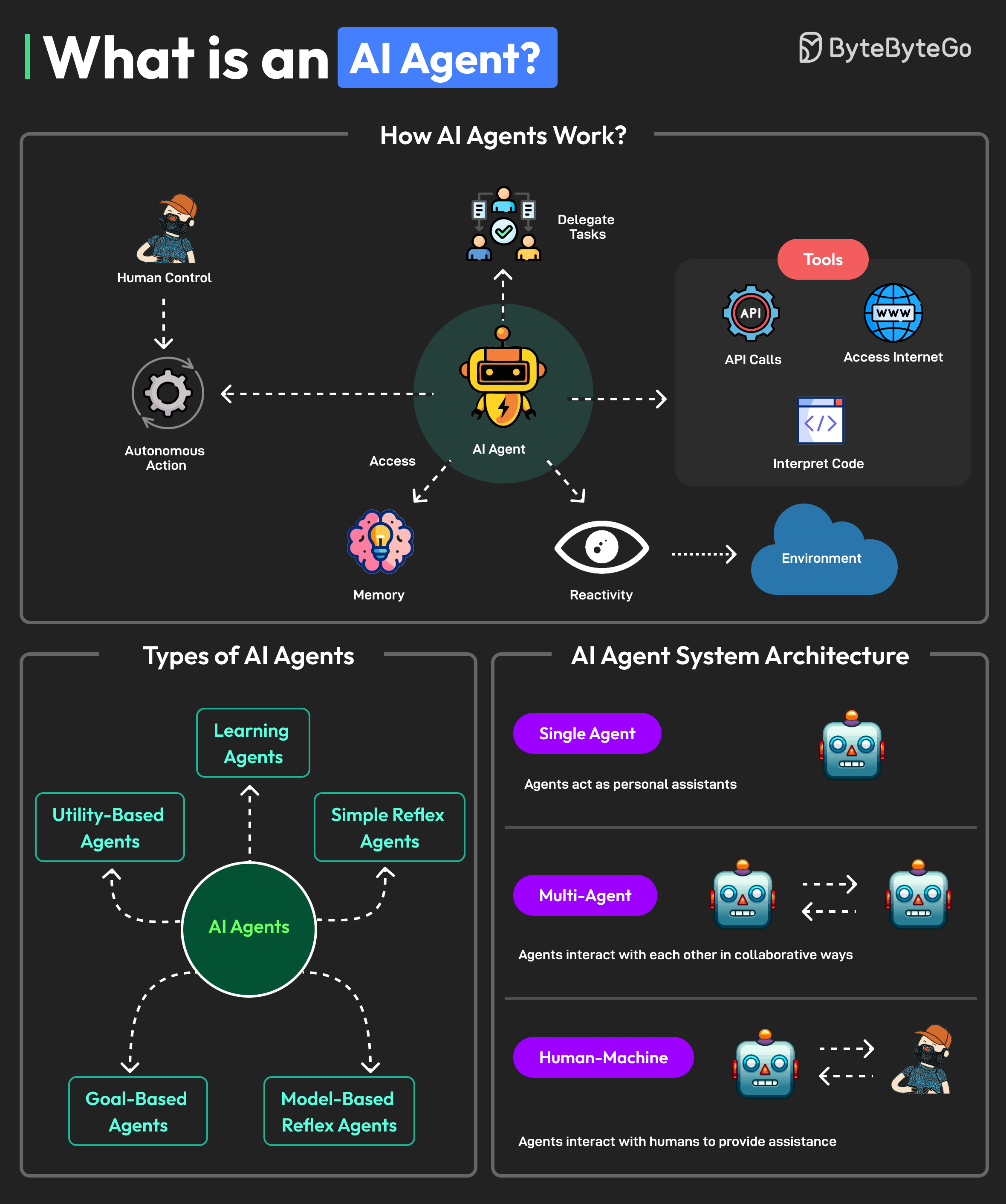
A chatbot waits for you to ask. An agent takes a goal, breaks it into steps, uses tools, and may act across apps such as Gmail, Slack, Salesforce, Jira, GitHub, or a company database. That sounds useful because modern work is mostly tool switching and follow-up.
But the jump from answer to action is seismic. If a chatbot drafts a rough email, you can edit it. If an agent sends the email to the wrong customer, the cleanup is yours. That is why vendors should be pressed on permissions, logs, rollback, and escalation paths before anyone talks about productivity gains.
“The test is not whether an AI agent can complete a polished demo. The test is whether it behaves safely on a dull Tuesday with messy data, missing context, and an impatient user.”
AI Agents Still Struggle With the Boring Parts of Work
Most business tasks are not hard because the steps are unknown. They are hard because the edge cases pile up. Names are misspelled, policies conflict, attachments are missing, customer records are stale, and someone forgot to update the spreadsheet.
Large language models are better than they were two years ago, and tool use has improved. OpenAI, Anthropic, Google, Microsoft, and Salesforce are all pushing agent-style systems into products. Still, a system that performs well in a clean benchmark can stumble when your finance folder has five versions of the same file.
That gap matters.
Think of it like restaurant prep. A chef can make a great dish once, but a working kitchen needs labels, timing, hygiene, backups, and a line cook who notices when the sauce has split. Agents need that same operational discipline.
How to Test AI Agents Before You Trust Them
Look, the right question is not “Can this agent do the task?” The sharper question is “What happens when it cannot?” A serious buyer should run a pilot that measures failure, not just success.
- Pick one narrow workflow. Good examples include summarizing support tickets, creating draft CRM updates, triaging invoices, or preparing first-pass research briefs.
- Define a pass rate. Decide what counts as correct, partially correct, and unsafe. Do this before the vendor demo gets everyone excited.
- Use real messy data. Synthetic examples hide the very problems that break agents in production.
- Require human approval for external actions. Sending emails, updating records, issuing refunds, and changing permissions should need review at first.
- Track every action. You need logs that show inputs, tool calls, outputs, approvals, and errors.
Do not accept vague claims about accuracy. Ask for task-level metrics, customer references, and incident handling details. If a vendor cannot explain how its agent recovers from mistakes, you have your answer.
Where AI Agents Make Sense First
The best early use cases sit in a sweet spot. They are repetitive enough to automate, valuable enough to matter, and contained enough that errors will not sink the business. Internal operations usually fit better than customer-facing work.
Support and Customer Operations
Agents can sort tickets, suggest responses, pull order history, and flag urgent cases. But they should not freely promise refunds, change account terms, or make legal commitments. Keep the agent as a copilot until it proves steady across thousands of cases.
Sales and Account Management
A useful agent can prepare call notes, update CRM fields, draft follow-up messages, and surface renewal risks. The danger is over-personalized spam at scale. Your customers can tell when a machine has guessed its way through their business.
Software Development
Code agents are improving fast because code has tests, version control, and clear feedback loops. GitHub Copilot, Cursor, Devin-style tools, and model-based coding assistants can help with scaffolding, bug fixes, and documentation. Still, production code needs review, security checks, and ownership from a human engineer.
The AI Agents Buying Checklist
Before you sign a contract, slow the room down. Procurement teams should treat agent software more like hiring a junior employee with system access than installing a note-taking app. Would you give a new hire full admin rights on day one?
- Permissions: Can you limit what the agent can read, change, send, and delete?
- Audit trails: Can you see each step the agent took and which tool it used?
- Data controls: Does the vendor train on your data, store prompts, or share data with third parties?
- Fallbacks: When the agent is unsure, does it ask for help or guess?
- Evaluation: Can you run your own test set and compare results over time?
- Security: Does the product support role-based access, single sign-on, and admin controls?
- Cost: Are you paying per seat, per task, per token, or per workflow run?
Those details sound dull because they are. They are also where good software separates itself from stagecraft. I have seen too many teams buy the sizzle and then spend six months building guardrails the vendor implied were already there.
AI Agents and the Hype Problem
Tech markets reward bold timelines. That is why every cycle produces claims that sound inevitable until they meet procurement, compliance, user habits, and old systems that refuse to die. The phrase “That’ll be the day” lands because it captures the healthy skepticism buyers need right now.
None of this means AI agents are fake. It means the adoption curve will be uneven. Some teams will save hours each week on dull coordination work, while others will learn that their processes were too broken to automate in the first place.
Honestly, that may be the most useful effect. Agents expose weak workflows. If your approval process depends on tribal knowledge, buried documents, and three people remembering exceptions, an AI system will struggle because your company already struggles.
What I Would Do Next
If you are evaluating AI agents, start with a 30-day pilot and one measurable workflow. Set a baseline, run the agent in shadow mode, compare its actions with human work, and review every unsafe miss. Then decide whether to expand.
The winners in this market will not be the loudest vendors. They will be the ones that make agent behavior observable, reversible, and boring enough to trust. That is the next practical step, and it is a better bet than waiting for a magic worker bot to show up and run the office.