AI Agents Still Lag Behind the Hype
AI agents were supposed to change how you work. They were going to book, buy, plan, write, and act with little hand-holding. That pitch is everywhere, and it matters now because many teams are making budget decisions around AI agents before the technology has earned the trust. Mark Zuckerberg’s reported comments to Meta staff line up with what a lot of people in tech already see in practice. The demos look slick. The reality is messier. Agents still stumble on context, memory, and basic judgment, which is a problem if you want them doing real work instead of toy tasks. So the question is simple. What can they actually do today?
What AI agents can do well right now
- Handle narrow, repetitive tasks with clear inputs and outputs.
- Summarize information across a small set of documents.
- Draft first-pass copy, code, or plans for human review.
- Trigger workflows when the rules are simple and the failure cost is low.
That is the useful part of the story. Agents can save time when the task is bounded and the guardrails are tight. Think of them like a rookie employee with a checklist, not a seasoned operator who can improvise under pressure.
Look, that is not a small thing. But it is also not the same as handing over a business process end to end.
Why AI agents still miss the mark
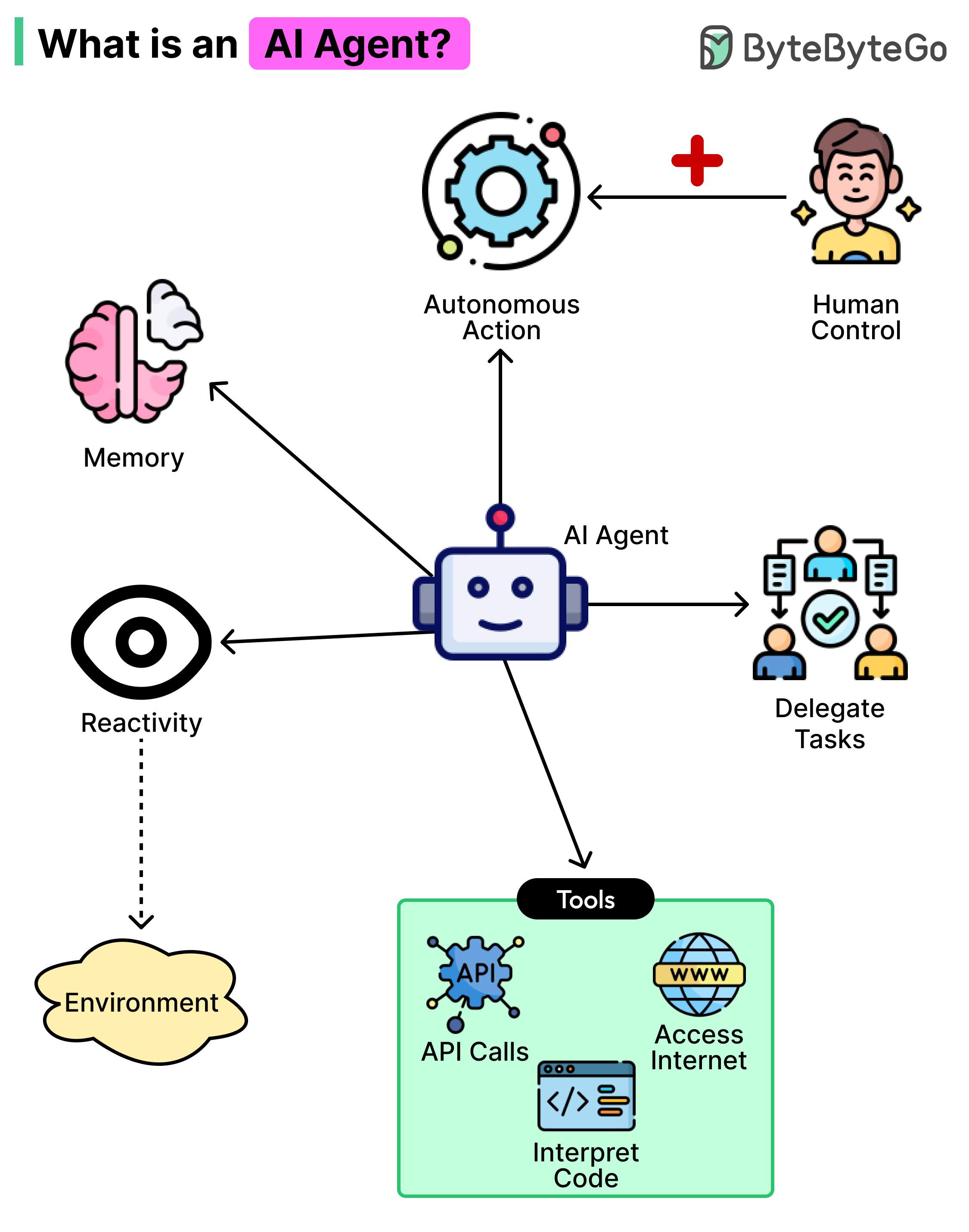
Most agent systems struggle because they are built on models that predict text, not machines that truly understand goals. They can follow a sequence, but a slight change in context can send them off course. A missing field, a vague prompt, or a surprising web page can break the chain.
Memory is another weak spot. Agents often forget what happened earlier in a task, or they remember the wrong detail. And if you let them take actions in the real world, like sending messages or making purchases, one bad move can create a cleanup job for a human.
“The hype says autonomy. The product still needs supervision.”
Why does that matter? Because the cost of a mistake rises fast once the agent touches customers, money, or compliance.
Where the mainKeyword promise falls apart in practice
Most companies want AI agents to work like a reliable assistant. That sounds nice until you ask them to deal with edge cases, shifting policies, or messy company data. Then the cracks show. The model may produce a convincing answer, but convincing is not the same as correct.
Here is the thing. A lot of agent demos hide the boring parts. Humans clean up after the system. Humans retry failed steps. Humans decide when the workflow should stop. That is not autonomy. That is orchestration with a fancy front end.
The best analogy I can give you is a kitchen line. A good prep cook can speed things up, but you still need a chef watching the pans. If the sauce breaks, nobody wants a machine to keep stirring and hoping.
How you should evaluate AI agents now
- Start with one narrow workflow. Pick something repetitive and low risk.
- Define failure clearly. Decide what the agent can do and what it must never do.
- Add human checkpoints. Review outputs before anything irreversible happens.
- Measure error rate and time saved. If both are weak, stop pretending it is strategic.
- Test edge cases early. Weird inputs expose weak agent design fast.
That approach is boring. It is also the right one. The companies that win here will not be the loudest. They will be the ones that treat agents like software with sharp limits, not like a magic employee.
What this means for the next year
Expect steady progress, not a seismic leap. Better planning, better tool use, and better memory will come in pieces. But fully reliable agents, the kind that can run complex work without close oversight, still look farther out than the marketing suggests.
If you are buying into AI agents now, buy for containment and efficiency. Do not buy for fantasy. And if a vendor promises full autonomy today, ask a blunt question: who fixes it when the agent goes wrong?
That answer tells you almost everything.