SpaceX AI Device Prototype: What the Phone Rumors Mean
People are already guessing about the SpaceX AI device prototype, and the guesswork is easy to understand. If a company with rockets, satellites, and deep software talent starts teasing a pocketable AI gadget, you should ask one question first: does it solve a real problem, or is it just another expensive curiosity? That matters now because the market is crowded with AI hardware that promises a lot and delivers very little. The real test is not whether a device can talk to an assistant. It is whether it can do something your phone cannot do well, especially when connectivity is weak, context is messy, or latency ruins the experience.
- The SpaceX AI device prototype looks more phone-adjacent than people expected.
- Its best case is tight integration with satellite connectivity and on-device AI.
- Its biggest risk is solving a problem your current phone already handles.
- The hardware market has punished vague AI gadgets before. Hard.
- The real question is whether SpaceX can build a product, not a demo.
Why the SpaceX AI device prototype matters
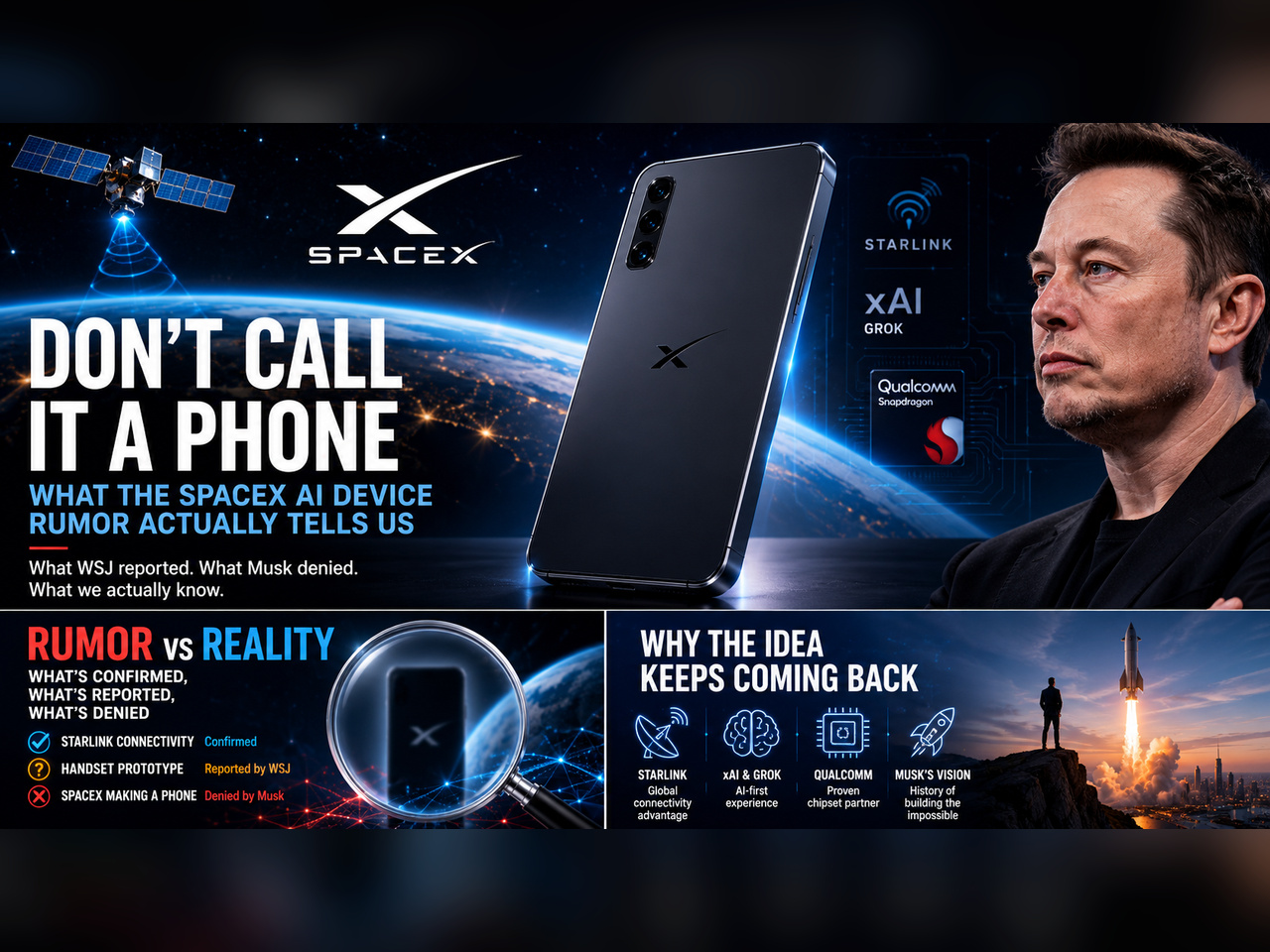
SpaceX is not entering this space as a normal startup. It already owns a huge communications asset in Starlink, plus a brand that can move attention faster than most product launches. That combination makes the SpaceX AI device prototype more interesting than the average AI trinket, because the company could tie hardware, connectivity, and software into one stack.
But hype is cheap. Phones already bundle cameras, microphones, sensors, cloud services, and increasingly useful local AI features. So if this device is meant to be phone-ish, what is the actual gap? A better answer would involve offline intelligence, resilient messaging, and direct satellite-aware workflows, not a glossy assistant that repeats what your handset already knows.
“A new device only matters if it changes the job you need done. Otherwise, it is just another charge cable in a different box.”
What “phone-ish” could really mean
The phrase matters because it narrows the design space. A phone-like device can mean a standalone handset, a companion communicator, or a pocket computer built around voice and AI rather than apps. Each version points to a different market and a different level of ambition.
Look at the structure of the problem. A kitchen knife can slice, dice, and pare, but it still has to feel balanced in your hand. Hardware works the same way. If the interface is awkward, the battery is weak, or the network handoff is clumsy, the whole thing falls apart.
Three plausible directions
- Standalone handset. The hardest path, because it has to replace or compete with a phone.
- Satellite-first companion. This could pair with an existing phone and handle specific connectivity tasks.
- AI communicator. A voice-first device that leans on local inference for short, task-based interactions.
That third option may sound modest. It is not. A focused product often beats a bloated one, especially in hardware.
Where the SpaceX AI device prototype could win
The strongest angle is not generic AI. It is reliability. SpaceX can plausibly combine Starlink coverage, edge AI, and device design in a way that handles places where ordinary mobile networks get patchy. Think rural areas, disaster zones, ships, field work, and travel corridors where coverage drops in and out.
That is the non-negotiable use case. If the device makes communication and assistance feel steady where phones wobble, it has a reason to exist.
- Better off-grid communication through satellite-aware workflows.
- Lower latency for simple AI tasks handled on the device.
- Contextual help that uses location, connectivity, and device state.
- Cross-device control for users already in the Starlink ecosystem.
There is also a business angle. SpaceX can bundle hardware with services, which gives it more room than a pure device maker. That said, bundling is not magic. If the monthly bill feels bloated, users will walk. Fast.
What could go wrong
The graveyard for AI gadgets is getting crowded. Humane’s Ai Pin drew attention, then ran into basic product problems. Rabbit’s R1 became a lesson in how fast novelty can fade when execution lags. Those failures matter because they show a pattern: people will forgive a rough demo, but they will not forgive friction in daily use.
Battery life, thermal limits, and network dependence are the traps here. AI hardware can burn power quickly. Satellite links can add complexity. And once you put a screen and voice interface on a device, you are competing with the most mature product category in consumer tech. That is a brutal arena.
And yes, there is another issue. Would users actually buy a second device just to get AI features they already carry in a pocket? That is the question every hardware team has to answer, even if they do not want to say it out loud.
What to watch next from the SpaceX AI device prototype
Watch for signals that show intent, not just buzz. The details will matter more than the concept art. If SpaceX talks about offline models, satellite fallback, or task-specific workflows, that is a real product direction. If it leans on vague phrases about a smarter future, treat it like vapor.
- Form factor. Phone, companion, or voice-first slab?
- Connectivity model. Does it depend on Starlink, cellular, or both?
- AI processing. On-device, cloud-based, or hybrid?
- Target user. Consumers, field workers, travelers, or enterprises?
- Price and service plan. Hardware margins live or die here.
One more thing. SpaceX has a real advantage if it treats this like infrastructure, not a fashion accessory. The best tech products disappear into the workflow. They do not demand applause. They just work.
Where this story goes from here
If the SpaceX AI device prototype is real and serious, the market will judge it on usefulness, not spectacle. That is healthy. Tech has spent years pretending that bigger claims create better products. They do not.
My bet is simple. If SpaceX can build a device that keeps working when the network is bad, the phone is useless, or the task is urgent, people will pay attention. If not, it joins the long shelf of AI hardware experiments that looked smarter in a keynote than in a backpack. Which side do you think this one lands on?