AI Infrastructure Spending Will Test Every Capital Market
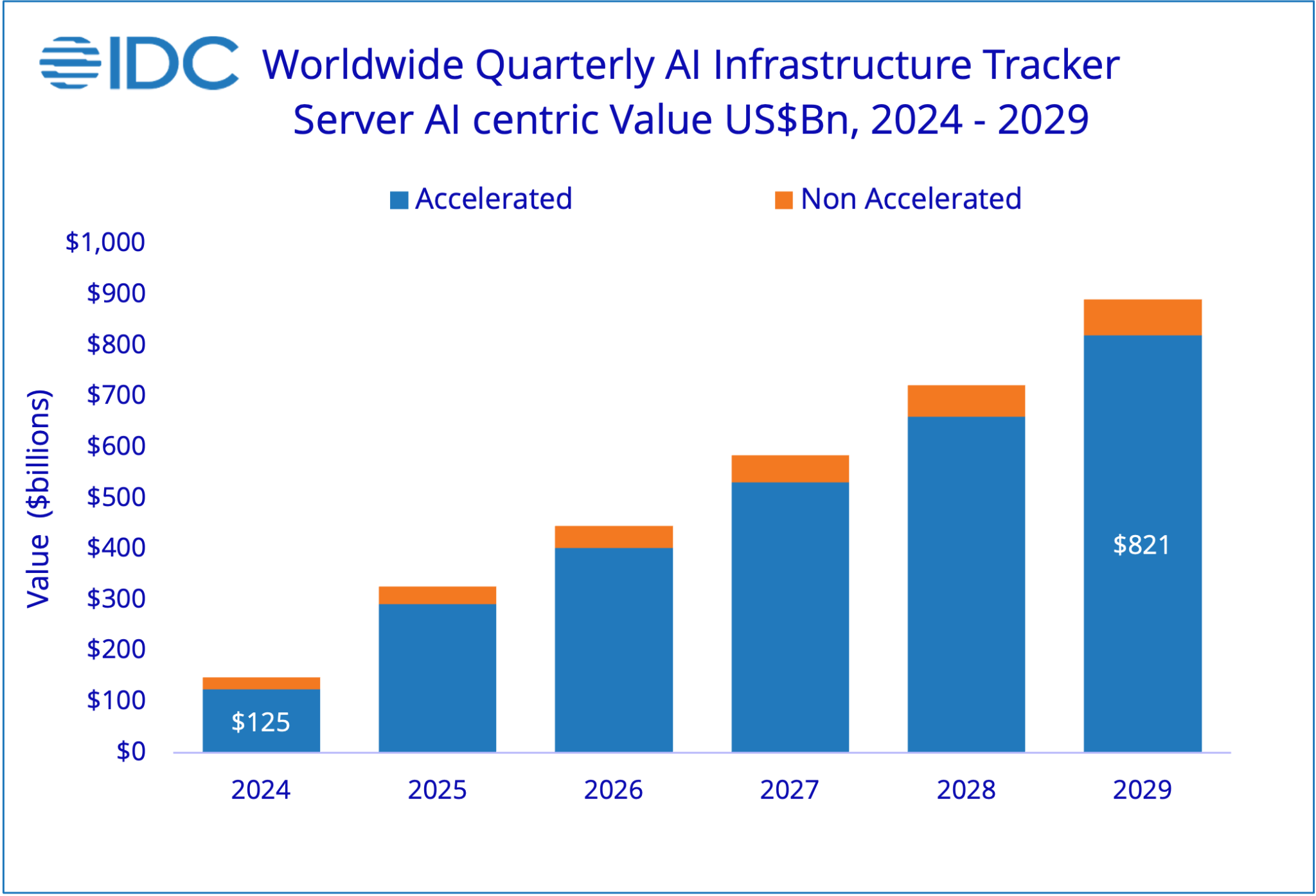
You are hearing nonstop hype about AI models, chips, and data centers. The harder question is simpler: who pays for all of it? AI infrastructure spending is moving from a tech story to a capital markets story, and that shift matters now because the price tag is getting too large for any one funding lane to carry alone. Apollo Global Management president Jim Zelter made that point in comments reported by Yahoo Finance, arguing that it will take “all the markets” to fund the buildout tied to AI demand. He is probably right. Data centers, power systems, networking gear, and semiconductor capacity require long-lived assets, huge upfront checks, and patient financing. That mix pulls in public equity, debt, private credit, project finance, and large institutional investors. Look past the buzzwords and you see the real issue. This is a financing race.
What matters most
- AI infrastructure spending is no longer just a Big Tech budget line. It is becoming a system-wide financing challenge.
- Data centers and power upgrades need massive capital, often with long payback periods.
- Public markets alone may not be enough. Private credit and institutional capital are likely to play a larger role.
- The winners may include not only chip firms, but also utilities, construction groups, REITs, lenders, and grid suppliers.
Why AI infrastructure spending is suddenly a market-wide issue
Training and running advanced AI models is expensive. That part is obvious. What gets less attention is the shape of the spending. This is not like launching another consumer app from a rented cloud stack. It looks more like building airports, pipelines, or power plants, because the assets are physical, capital heavy, and tied to multi-year demand forecasts.
And that changes the investor base.
Public equity can fund some of the buildout, especially for giants like Microsoft, Amazon, Alphabet, and Meta. But the total need stretches far beyond their balance sheets if AI adoption keeps climbing. Zelter’s point, as covered by Yahoo Finance, cuts through the noise: every layer of the market may need to participate, from bonds to private financing to infrastructure-style capital.
“It’ll take all the markets” to fund AI spending, Apollo president Jim Zelter said, according to Yahoo Finance.
Think of it like building a stadium district, not just a stadium. The arena gets the headlines, but the roads, power lines, parking, telecom links, and financing structure decide whether the whole thing works.
Where the money is likely to come from
If you want a practical view of AI infrastructure spending, start with the funding stack. Different assets call for different capital. A chip designer, a hyperscale data center, and a regional power upgrade do not get financed the same way.
1. Public equity
Large technology companies can raise capital through stock issuance or retain earnings to fund capex. That remains the cleanest route for firms with strong cash flow. Nvidia, Microsoft, Alphabet, Amazon, and Meta sit in that camp, although even they face investor pressure when spending ramps too fast.
2. Corporate and project debt
Bonds can fund long-life infrastructure, especially when revenue visibility is decent. Data center operators, utilities, and telecom-linked builders can tap debt markets if rates and credit conditions cooperate. But debt gets tricky when the assets are expensive and the demand forecast depends on AI adoption staying hot for years.
3. Private credit
This is where firms like Apollo have a clear angle. Private credit can step into deals that are too complex, too large, or too custom for standard bond markets. That could include data center expansion, equipment-backed financing, and power-related projects tied to AI clusters.
4. Institutional and infrastructure capital
Pension funds, sovereign wealth funds, and insurance capital like long-duration assets. If AI infrastructure starts to resemble toll-road finance with better growth, that money will show up. Slowly at first. Then faster.
What actually needs funding beyond chips
Most retail investors fixate on semiconductors. Fair enough. Chips are central. But the bottlenecks sit all over the stack, and each one pulls in a different set of financiers.
- Data centers. Land, construction, cooling, backup systems, and physical security all cost real money.
- Power generation and grid upgrades. AI workloads are electricity hungry. Utilities and transmission operators may need major expansion.
- Networking. High-speed interconnects, fiber, and switching gear are easy to overlook, but they are non-negotiable.
- Semiconductor fabrication capacity. Advanced packaging, foundry output, and related tooling remain expensive and supply constrained.
- Real estate and water infrastructure. Site selection now involves energy access, cooling capacity, and local permitting friction.
Here is the thing. The market has treated AI as a software narrative, while the spending profile looks increasingly industrial.
What investors should watch in AI infrastructure spending
You do not need to guess the next chatbot winner to track this theme. Follow the financing signals. They usually tell the truth faster than executive stage talk.
- Capex guidance from hyperscalers. Rising budgets mean confidence, but also rising pressure to show returns.
- Private credit deal flow in digital infrastructure and power-adjacent assets.
- Utility load forecasts in regions attracting large data center projects.
- Permitting and grid connection timelines, which can slow growth even when capital is available.
- Lease rates and vacancy data for data center real estate.
Why does this matter? Because money alone does not solve bottlenecks. If the grid cannot support new facilities, capital waits on the sidelines (and that delay hits returns).
The risk nobody should ignore
The bullish case is easy to grasp. AI demand grows. Infrastructure expands. Capital pours in. Everyone from chip makers to lenders wins.
But financing booms can overshoot. We have seen this movie before in telecom, energy, and commercial property. If too much capacity gets built on inflated assumptions, the hangover lands on lenders, landlords, and late equity buyers. Honestly, that is the part of the story that deserves more airtime.
Apollo’s framing is useful because it is less dreamy and more structural. It asks whether the market can absorb the cost, not whether AI is exciting. That is a better question.
What this means for businesses planning AI adoption
If you run a business, the takeaway is not “buy more AI.” It is to expect AI services to be shaped by infrastructure economics. Prices, access, service levels, and deployment speed will depend on whether providers can secure compute, energy, and financing at sane terms.
That means you should:
- Ask vendors where your workloads will run and how capacity is allocated.
- Expect premium pricing for high-performance inference and custom model work.
- Plan for regional differences in availability, especially where power is tight.
- Watch whether your cloud partners are slowing or accelerating capex.
One blunt reality remains. If the pipes are expensive, the water is too.
What happens next
The next phase of AI will be decided as much by financiers, utilities, and builders as by model labs. That may sound less glamorous than a product launch, but it is where the real constraints sit. Over the next year, watch how public markets price capex-heavy tech firms, how private credit funds pitch AI-linked infrastructure deals, and how power availability shapes data center maps.
The hype cycle will keep spinning. But the deeper story is whether AI infrastructure spending can be funded at scale without creating the next capital allocation mess. If all the markets are needed, the smarter question is this: which part of the stack gets paid first, and which gets left holding the bill?