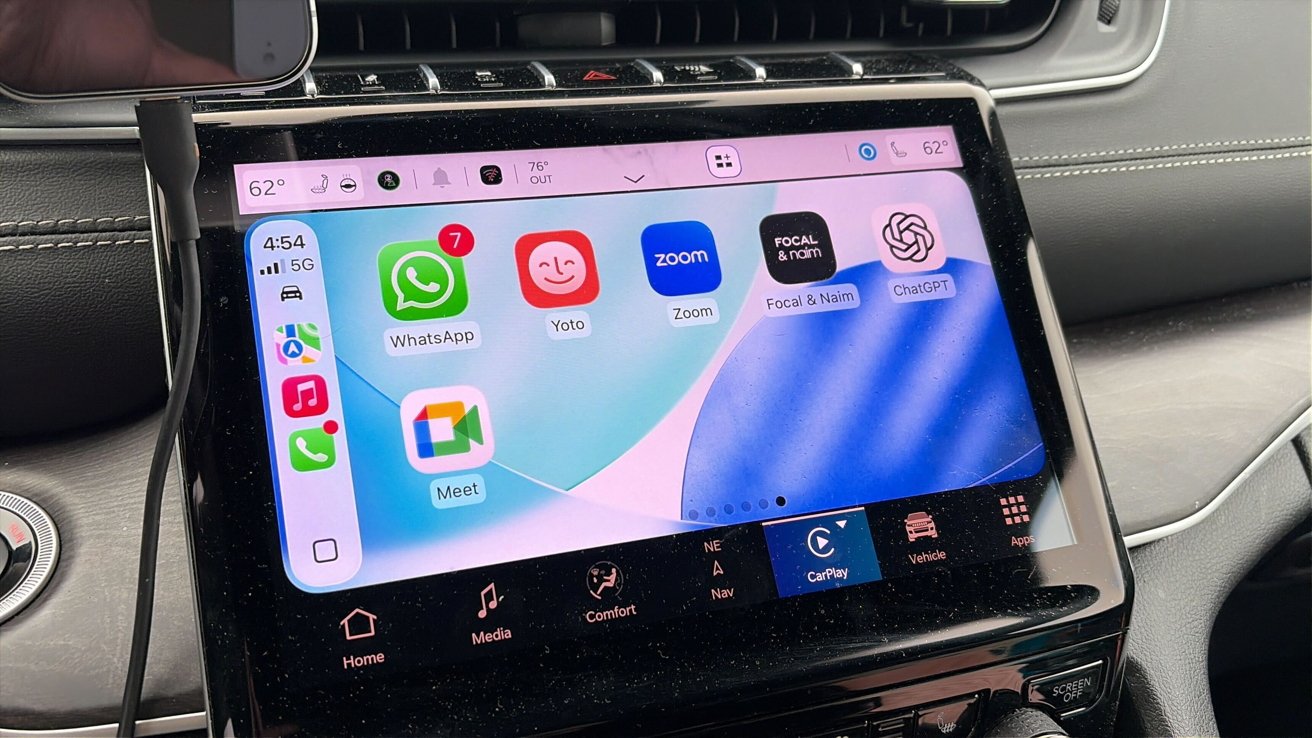
Apple CarPlay ChatGPT: What Drivers Gain and What Apple Risks
Drivers crave hands-free help that actually understands them, and Apple CarPlay ChatGPT arrives as Cupertino’s most daring swing yet. The promise: richer answers, smoother voice control, and fewer taps while you keep your eyes on the road. But who owns the data that moves through this pipeline? And how does Apple square its privacy posture with a partner known for hoovering up prompts? Right now, as Apple opens the door to OpenAI inside the dash, you have a chance to demand clarity and set your own guardrails before the software ships across late-model cars. This shift matters because every missed cue at 65 mph is more than an inconvenience—it’s a safety risk that now depends on how well Apple CarPlay ChatGPT is tuned.
Fast Facts for Busy Drivers
- Apple CarPlay ChatGPT aims to reduce manual input and expand on-device conversation quality.
- OpenAI responses may rely on cloud calls, raising fresh location and voice data questions.
- Apple says controls will live in Settings, but default toggles could shape real privacy outcomes.
- Third-party carmakers will decide how quickly updates land across their fleets.
- Clear consent prompts and offline fallbacks will decide if this feels like a safety upgrade or a gimmick.
Why Apple CarPlay ChatGPT Lands Now
Car infotainment has lagged behind phones for years, leaving drivers juggling clunky menus. Apple needs a sharper assistant to keep CarPlay sticky as automakers flirt with native OS dashboards. The OpenAI tie-up promises quick, natural responses to route tweaks, calendar changes, and smart home checks. Here’s the thing: timing is no accident, because Tesla, GM, and Google-backed systems are already grabbing mindshare.
Apple’s bet is simple: make CarPlay feel like an actual co-pilot, not a bolt-on voice remote.
Privacy keeps driver trust alive.
How It Will Likely Work in the Cabin
Expect a hybrid model. On-device intent detection kicks in first to keep latency low. When the request needs more context—think “plan a coffee stop with a fast charger en route”—CarPlay may ping OpenAI’s servers. That round trip can deliver richer answers, yet it introduces new data flows that Apple must corral with clear consent screens and per-profile controls (shared cars are messy).
Apple says you can opt out. But will the default be on or off? A rhetorical question, sure, yet it decides whether millions stream prompts to OpenAI on day one.
What Drivers Should Prep
- Check your automaker’s CarPlay update cadence. Some brands lag by quarters.
- Decide which contacts, calendars, and messages you want accessible. Limit what the assistant can read.
- Test voice accuracy on your typical commute noise level. Road roar exposes weak mics fast.
- Pair a backup workflow. If the cloud path times out, can you still trigger maps or media locally?
Benefits You Might Actually Feel
Smarter reroutes that factor errands, clearer dictation for messages, and less fiddling with climate or playlists—those are tangible gains. Think of it like swapping a manual gearbox for a solid automatic: you lose some control, gain simplicity, and trust the system to pick the right gear.
Where Apple’s Promise Gets Tested
- Latency: If replies lag, drivers revert to muscle memory and the feature dies in practice.
- Transparency: Apple must state which requests leave the car and how long data persists.
- Safety validation: Regulators will watch for distraction metrics. Expect scrutiny in Europe first.
- Developer access: If third-party apps can hook into Apple CarPlay ChatGPT, guardrails must prevent unsafe prompts.
Honestly, the car is the harshest UX lab Apple could pick.
Trust, Liability, and the OpenAI Question
Apple has built its brand on local processing and tight privacy promises. Partnering with OpenAI introduces a second data steward. If an answer goes sideways—wrong turn, missed safety camera—who takes the hit? The liability story will shape insurer attitudes and maybe your premiums. Regulators will ask whether prompts can create driver distraction patterns, and automakers will want indemnity clauses spelled out.
Practical Settings to Lock In on Day One
Start with a privacy-first setup. Disable history retention if offered. Keep personal data scopes narrow until you trust the system. Limit responses when the car exceeds a set speed. Keep voice confirmations short so you stay focused.
Where This Goes Next
Apple CarPlay ChatGPT is either the start of calmer commutes or the latest novelty drivers toggle off after a week. Apple wins if it proves that AI can feel invisible yet accountable. If not, automakers will push harder on their own stacks. Which side of that fork will your dashboard land on?