Apple Smart Glasses Design Trials: What Four Prototypes Signal
You want to know if Apple smart glasses are close to real daylight or still stuck in the lab. Fresh reporting says four designs are in testing, which means Apple is wrestling with weight, battery, and optics right now, not in some distant future. That matters because the first model sets the tone for an ecosystem that will live on your face, not in your pocket. Early decisions on frames, displays, and privacy cues will shape whether developers jump in or hold back. The race is not just about specs. It is about trust and habit. Will Apple ship a heavy visor or a lightweight pair of frames? The clock is ticking because rivals from Meta to Samsung are already polishing their own bets.
What matters now
- Four prototypes hint at different bets on battery placement, lens tech, and cameras.
- Lightweight designs boost comfort but constrain battery life and on-device processing.
- Heavier visor concepts can add features yet risk looking like a sci-fi costume.
- Developers need clear OS cues to build apps that respect privacy and social norms.
Apple smart glasses: where the designs stand
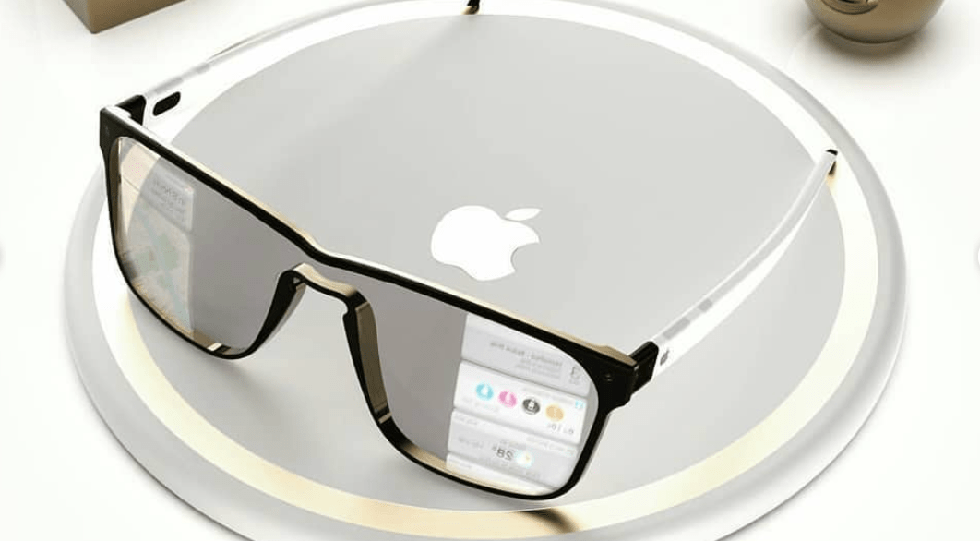
Think of these prototypes like cars on a test track. A sleek coupe favors speed and looks, while an SUV packs more gear but drinks fuel. One reported design leans toward standard eyewear with minimal cameras and offloaded compute. That keeps weight down and style up, but it forces heavy reliance on your iPhone for power and processing. Another design resembles a compact visor that holds its own battery and sensor stack. Comfort suffers when weight shifts forward, yet it enables richer AR overlays without constant phone tethering.
One misstep could hand rivals a head start.
A third design reportedly experiments with swappable temples, letting Apple mix battery modules or prescription-friendly arms. Modularity sounds clever, yet every hinge adds failure points and cost. The fourth concept adds a broader frame to hide more battery and thermal management. That choice could extend session length, but users may balk if it looks like ski goggles.
As one veteran designer told me, “Frames live in the uncanny valley between fashion and hardware; lean too far either way and you lose the room.”
Apple smart glasses and the platform stakes
Hardware is only half the story. Apple needs a glanceable OS that avoids the notification overload that sank earlier smart glasses. Expect a pared-back UI that favors turn-by-turn navigation, quick capture, and real-time translation over floating app grids. Anything more will feel like a laptop taped to your face.
Developers will watch for clear rules on camera indicators and bystander privacy (no one wants a silent recorder in every meeting). If Apple ships robust APIs for spatial anchors and eye-safe overlays, you will see early apps mimic Apple Watch use cases before moving into productivity.
What buyers should watch
- Battery placement: If cells sit in the temples, weight stays balanced. If they move to a rear pack, expect cables and clips.
- Display tech: MicroLED would improve brightness and longevity, but supply is tight. Waveguides are thin yet can add distortion.
- Controls: Gesture and voice are likely; a small touch surface on the temple could help in loud streets.
- Price and positioning: A premium first-gen signals a Pro path, while a lighter model with heavy iPhone dependence targets mass market later.
Look, Apple cannot afford another half-step like the first Vision Pro rollout. Shipping a fashionable yet capable pair is the difference between a watch-like hit and a footnote.
Rivals, timing, and risk
Meta, Samsung, and smaller players like Anker are iterating in public, releasing yearly updates to test what sticks. Apple is taking the kitchen remodel approach: keep the blueprint secret until fixtures are locked. That works until competitors shape consumer expectations first. Remember how Android phablets trained buyers to accept larger phones before Apple moved? History can rhyme if Apple waits too long.
Chip supply and optics yields will dictate timing more than marketing. If the visor design wins, expect fewer units and a high price. If the lighter frame wins, Apple can pair it with an iPhone dependency, easing yields but risking criticism for limited on-board power.
Bottom line for now
I expect Apple to lead with style and offloaded compute, then follow with a thicker, more independent model once batteries and microdisplays improve. The real question: will people wear a camera on their face daily? That answer decides whether this product line becomes the next Apple Watch or the next AirPower.