ASML Chip Tool China Dispute Explained
The ASML chip tool China dispute is exactly the kind of story that can look technical at first and then turn into a policy fight with real market impact. A U.S. claim that one of ASML’s top tools may be in China, followed by ASML’s flat denial, raises a simple question with messy stakes. Where is the equipment, who can use it, and what does it mean for export controls that already shape the global chip market?
This matters now because ASML sits at the center of advanced lithography. If the tool is in China, regulators will want answers. If it is not, then this becomes another case of cross-border mistrust around semiconductor controls, customs records, and supply-chain visibility. Either way, the noise is not harmless. It affects how governments police high-end chip gear and how chipmakers plan around it.
What stands out in the ASML chip tool China dispute
- The claim is about location, not just ownership. That distinction matters for export rules and enforcement.
- ASML denies the tool is in China. The company is pushing back on the U.S. account.
- Advanced lithography gear is highly controlled. These systems sit near the center of semiconductor restrictions.
- Trust is the real issue. Once officials question an equipment trail, every record gets scrutinized.
Why this tool matters so much
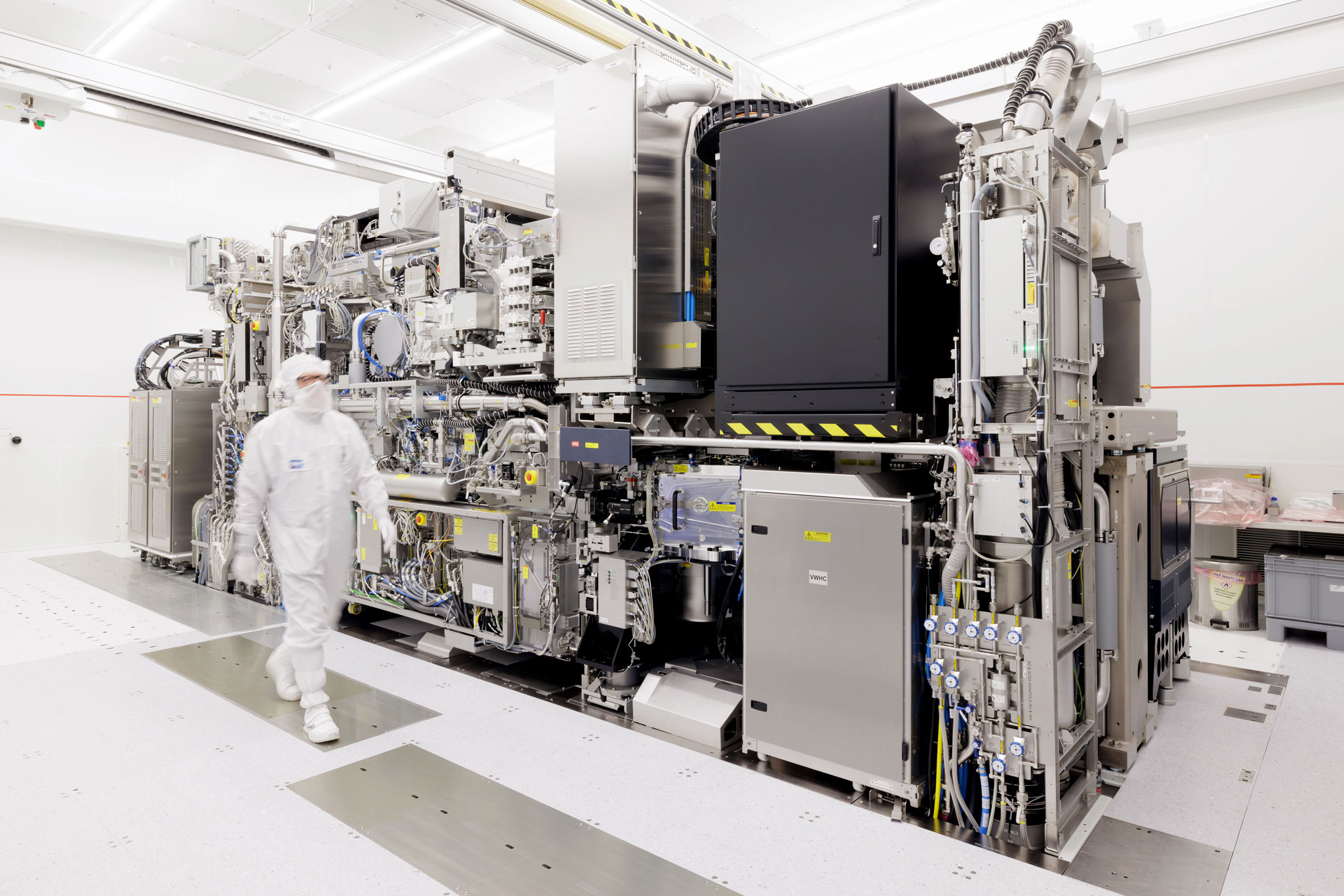
ASML is not a generic equipment vendor. It makes the lithography systems used to print the tiny patterns that define modern chips. Some of its most advanced tools, especially EUV systems, are among the most controlled machines in the sector.
Think of it like a Formula 1 engine in a warehouse full of sedans. The machine itself does not explain the whole race, but everyone knows it changes the outcome. If one of those tools is moving through China, or even rumored to be there, it draws immediate attention from Washington, Brussels, and Beijing.
The core issue is not just where a machine sits. It is whether regulators believe they can track the chain of custody with enough confidence to enforce export policy.
What the US and ASML are really fighting over
The U.S. position appears to center on whether a high-end ASML system may have ended up inside China. ASML says no. That gap sounds narrow, but in export-control disputes it is huge. Was the tool shipped, stored, installed, or misidentified? Was it re-exported through a third country? Was it ever operational?
These are not academic questions. They affect licensing, inspections, and the credibility of the paperwork that supports restricted tech shipments. A single disputed asset can trigger a wider review of how companies document sensitive deliveries.
Why location beats speculation
Governments do not regulate rumors. They regulate shipping records, end-user certificates, customs filings, and site inspections. But once a claim lands in public, the burden shifts fast. Companies have to prove where equipment is, not just say where it should be.
That is why this story feels bigger than one machine. It is a stress test for the whole export-control system.
How export controls get messy in practice
- Manufacturing happens in one country.
- Sale and licensing pass through another set of rules.
- Shipping and installation involve logistics firms, customs agents, and local partners.
- Service and maintenance can continue long after the original sale.
Each step creates room for confusion. And confusion is all it takes for regulators to start asking whether a restricted tool crossed a line. What looks like a paperwork dispute can quickly become a policy signal.
That is especially true in semiconductors, where the U.S. has pushed hard to limit China’s access to the most advanced chipmaking tech. ASML has been caught in the middle for years because its machines are central to that effort.
What chipmakers should watch next
If you work in semiconductors, procurement, or trade compliance, watch for three things.
- Official clarification. Any new statement from U.S. officials or ASML could shift the story.
- Customs or licensing scrutiny. One disputed shipment can lead to broader reviews.
- Supplier caution. Firms may tighten documentation around installation, resale, and service visits.
Honestly, this is where the industry gets boring in the worst possible way. A missing or disputed serial number can matter as much as a new policy memo. That is not drama. That is how control regimes work.
And the wider market is watching because ASML’s position is already sensitive. If investors think enforcement is getting tighter, they will start pricing in delays, blocked shipments, or slower sales cycles. If regulators think controls are slipping, expect more pressure on manufacturers to prove every handoff.
Why the ASML chip tool China story will not fade fast
Even if ASML is right, the episode may still leave a mark. These fights rarely end with one clean press release. They tend to produce more audits, more requests for documentation, and more caution from every company touching advanced chip equipment.
Here is the thing. Semiconductor policy now works a lot like a security checkpoint at an airport. One mismatch, one unclear label, one disputed bag, and the line stops. So the next real question is simple: can the industry build a tracking system that leaves no room for this kind of argument, or will every new shipment become a fresh political flashpoint?
What happens if this becomes the new normal
If disputes like this keep piling up, chipmakers will spend more time proving where equipment is than installing it. That slows everything down. It also gives governments more leverage over the flow of advanced tools into China and across other sensitive markets.
The market does not need another grand theory. It needs clean records, clear jurisdiction, and fewer gray zones. Until that happens, the ASML chip tool China fight is a preview of where the next battle will be fought.