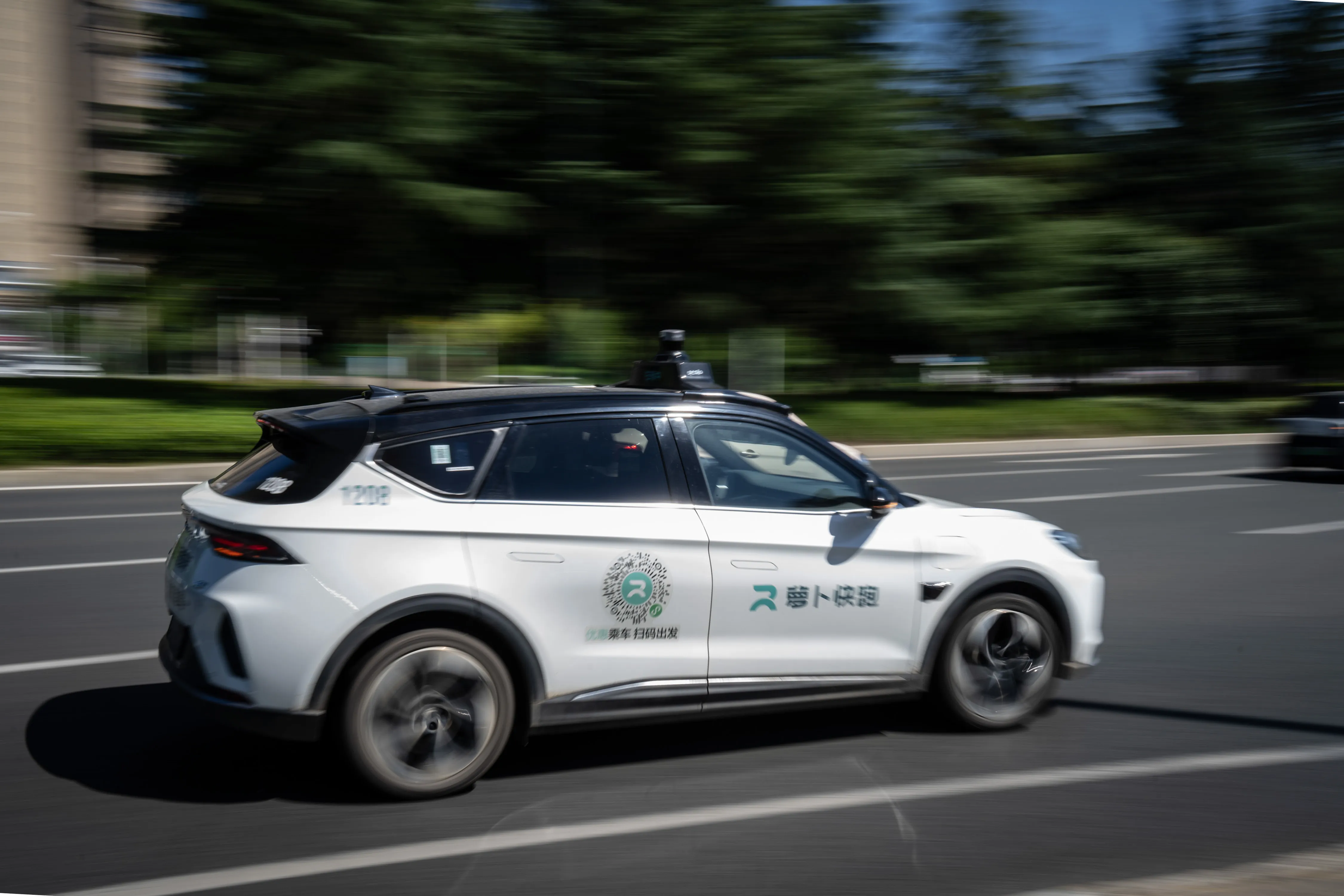
Why Baidu’s Robotaxi Freeze Signals a New Reality for Autonomous Ride Services
Baidu’s decision to trigger a robotaxi freeze in several Chinese cities puts safety claims under a bright light. The mainKeyword, Baidu robotaxi freeze, surfaced after a local crash investigation, and it raises a hard question for anyone eyeing self-driving rides right now. Riders want reliability, regulators want proof, and competitors want room to grow. You feel the tension because every suspended ride delays the promise of traffic-free commutes. Yet a pause can also build trust if it solves real flaws fast. Here is where the story gets practical: what caused the freeze, how Baidu communicates risk, and how this could reset expectations for autonomous fleets.
Quick Hits
- Baidu robotaxi freeze follows a reported incident involving Apollo Go vehicles in Wuhan.
- Regulators pressed for a pause while data logs and safety protocols are reviewed.
- Service suspensions ripple across rider trust, fleet economics, and competitor timelines.
- Transparent updates could decide whether Baidu regains momentum or cedes ground.
Baidu Robotaxi Freeze: What Happened
Early reports point to an Apollo Go vehicle hitting an obstacle during rain in Wuhan, prompting an immediate halt. Think of it like a pit stop in Formula One: you lose laps now to finish the race later. Baidu says it is sharing sensor data with authorities to pinpoint whether perception or planning failed. A single event can stall hundreds of cars, which shows how tightly the system is coupled to regulatory confidence.
“Safety over scale is the only way robotaxis earn a long future,” a veteran analyst told me.
Silence from regulators speaks loud.
What the Baidu Robotaxi Freeze Means for Riders
You care about predictable rides and clear ETAs. A freeze undermines both. Expect temporary rerouting to ride-hail standbys and longer waits in affected zones. This pause tests whether Baidu can communicate like a public transit agency rather than a beta startup (that tone shift matters). If updates stay sparse, riders will treat robotaxis like a flaky friend who cancels at the last minute.
How to navigate the pause
- Check city-specific notices inside Apollo Go before scheduling.
- Plan alternate routes during peak rain or fog, since weather triggered the scrutiny.
- Watch for policy bulletins from municipal transport bureaus; they set the restart clock.
- Track fare adjustments. Discounts may offset the disruption and rebuild goodwill.
Business Impact and Competitive Fallout
Look at the freeze through a CFO’s lens. Idle fleets burn cash, and idle engineers rush to debug. Rivals like AutoX and Pony.ai see an opening to win permits in second-tier cities. Yet if Baidu proves its diagnostics and retraining work, it could return with stronger safety KPIs that others must match. It is the difference between a soccer team adjusting formation mid-match and one that keeps conceding goals.
Vendors supplying lidar and compute will feel pressure to show tighter integration. Insurance partners may demand clearer incident playbooks, which could reset premiums. And what if riders start demanding human override buttons? That would reshape cabin design and operational costs.
What Needs to Happen Next
Baidu must publish a timeline, share remediation steps, and invite third-party audits. A clear data-sharing protocol with regulators will set the bar for the rest of the field. Transparency is not a nice-to-have here. It is the ticket back to the starting grid.
Will Baidu treat this freeze as a reset or a stumble that rivals exploit?