Tilly Norwood and the AI Actor Problem
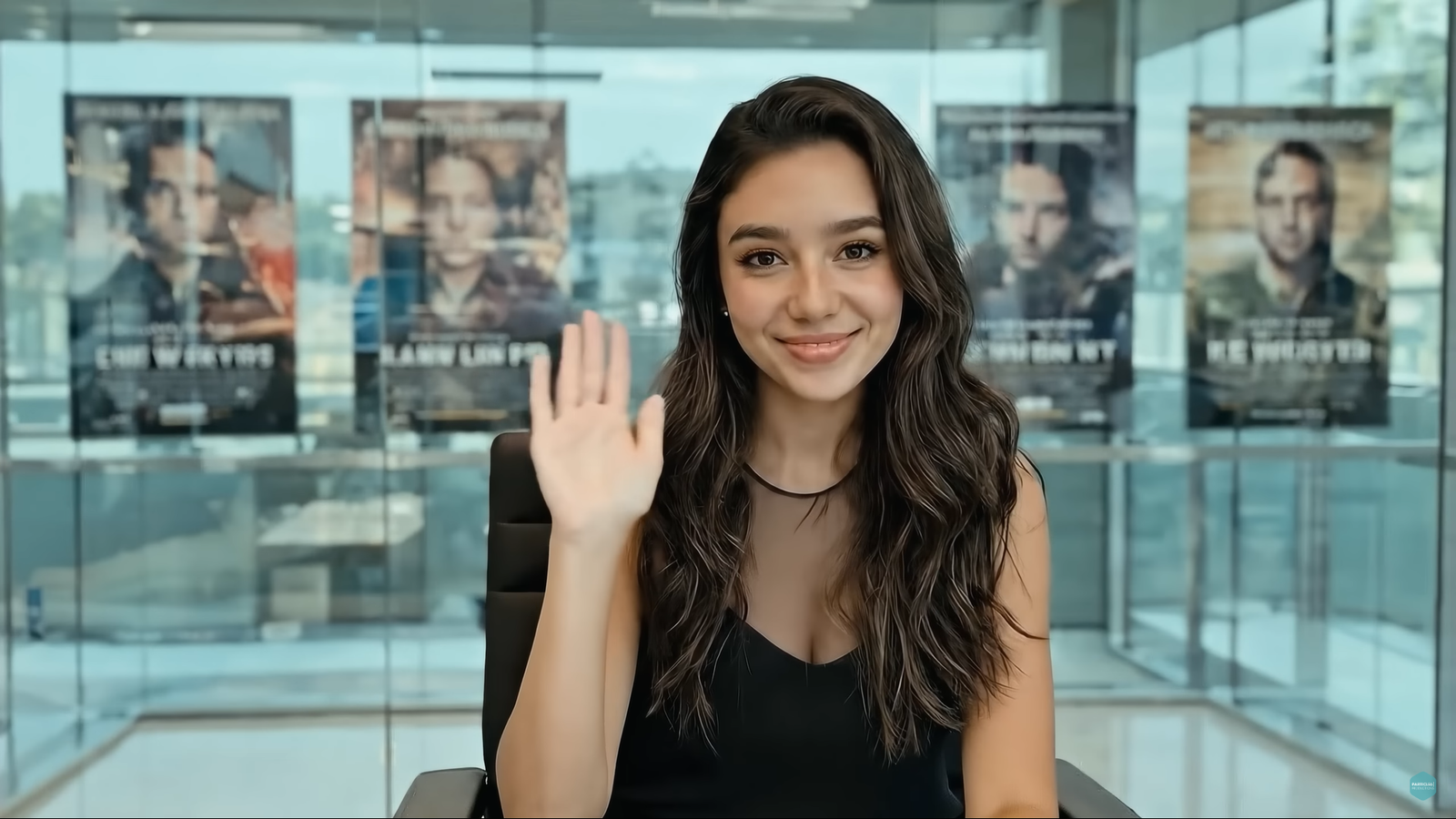
Hollywood keeps acting surprised every time software walks onto a stage it was never meant to occupy. The latest flash point is AI-generated actor Tilly Norwood, a synthetic performer tied to a feature-film push that has rattled agents, actors, and studio watchers alike. Why does this matter now? Because the argument is no longer about whether AI can make a convincing face. It can. The fight is about who gets paid, who gets credited, and who gets replaced when a machine can imitate the look and rhythm of a human performance. That is not a side issue. It goes to the center of the business.
Look, the tech is moving faster than the contracts. And that gap is where the trouble starts.
Why the AI-generated actor debate is so heated
- Actors see labor risk. A synthetic performer can undercut background work, voice work, and some screen roles.
- Studios see cost pressure. A digital character can be reused, edited, and scaled with fewer scheduling limits.
- Audiences care about authenticity. Many viewers still want to know when a performance comes from a real person.
- Contracts were not built for this. Older deals often do not spell out how to treat fully synthetic talent.
What makes Tilly Norwood different from older CGI tools?
CGI has been in films for years. That part is old news. Tilly Norwood is part of a newer wave that aims to present an entire actor-like identity, not just a visual effect. That means the system is not only generating a face or body. It is trying to package a persona, which is a far more sensitive move.
Think of it like building a house versus renting one room. Traditional visual effects fill in a scene. A synthetic actor tries to occupy the whole frame, from appearance to delivery to marketable image. That raises a hard question. If a computer can mimic a screen presence, what exactly is left that belongs only to the human performer?
The real issue is not whether AI can look convincing. It is whether the industry wants to treat a synthetic face as a performer, a tool, or a substitute.
How the mainKeyword changes the labor fight
The rise of an AI-generated actor changes bargaining in a very direct way. Unions such as SAG-AFTRA have already fought over digital replicas, consent rules, and payment for reuse. Tilly Norwood pushes that fight one step further, because this is not only about copying one actor. It is about creating a new one from scratch.
That difference matters. A likeness deal at least starts with a real person who can approve terms. A synthetic performer can be built without that origin point, which leaves fewer anchors for consent and compensation. And once studios see a cheaper path, pressure grows fast. You do not need a flood to change the river. One successful test case can do it.
Where the legal lines still look muddy
The law is still catching up. Copyright law may protect specific creative works, but a synthetic performer sits in a gray area between software, performance, and branding. U.S. labor rules also do not neatly answer whether a digital actor should be treated like a worker, a prop, or a production asset.
Here is the practical problem for producers and agencies:
- Who owns the model or likeness rights?
- Who approves use across projects, trailers, and promotions?
- Who pays residuals, if anyone does?
- What happens when an AI performer is trained on real actors’ work or image data?
These are not academic questions. They decide whether the model is a novelty or a business line.
What audiences will probably tolerate
Audiences have already accepted digital de-aging, deepfake-style effects, and animated characters with celebrity voices. But acceptance has a ceiling. If viewers feel tricked, they push back. If they feel a synthetic performer is being used as a shortcut around human labor, they push back harder.
That is why this story matters beyond one project. Viewers are not just reacting to a quirky AI face. They are reacting to the idea that a studio could replace a living performer without saying so plainly. Would people buy a ticket if the lead actor was never human in the first place?
What studios should do next
Studios that want to experiment with an AI-generated actor should stop pretending policy will sort itself out later. It will not. They need clear rules before release, not after backlash.
- Disclose synthetic performers clearly. Put the information in credits and marketing.
- Set consent rules in writing. If a real performer’s data, face, or voice is involved, spell out usage limits.
- Separate experimentation from replacement. Use AI where it adds value, not where it simply cuts jobs.
- Work with unions early. Late-stage surprises usually end badly.
That is the sane path. It is also the one least likely to trigger a public relations mess.
What Tilly Norwood signals next for mainKeyword
The Tilly Norwood debate is a preview, not a one-off. The next wave of synthetic talent will be smoother, cheaper, and harder to spot. That makes the policy question even more urgent. If Hollywood wants to use an AI-generated actor, it needs a standard for disclosure, compensation, and consent before the market sets one for it.
For now, the industry has a choice. Treat synthetic performers like a narrow special effect, or let them become a normal hiring option. Which path do you think survives the first real labor fight?