Oracle AI Spending Spurs Layoffs: What It Signals for Enterprise Tech
Oracle is cutting thousands of roles while doubling down on artificial intelligence investment, a pivot that lands squarely on every CIO’s desk. The mainKeyword Oracle AI spending surfaces in boardrooms because it ties cost control to future growth. You feel the squeeze: protect core systems, fund AI pilots, and calm teams rattled by headcount moves. This moment matters now because capital is flowing into GPUs and cloud capacity, not incremental headcount. If you lead an IT budget, you have to translate this shift into a clear plan for workload placement, vendor risk, and staff reskilling. And you need that plan before the next quarterly review puts you on the spot.
Fast Facts to Act On
- Oracle is reallocating cash from headcount to GPU-heavy AI infrastructure.
- Enterprises face higher dependence on a single cloud vendor if they follow Oracle’s stack.
- Data gravity and contract lock-in are the real costs to model.
- Reskilling budgets should match AI project funding to avoid brittle teams.
Oracle AI Spending and Your Vendor Strategy
Look at Oracle’s move like a basketball team clearing cap space for a star center: resources shift to where leadership thinks wins will come. You cannot ignore the rebalance. Ask which workloads are safest to park on Oracle Cloud versus what stays multi-cloud. Keep a short list of exit triggers in your contracts, including latency SLAs and price-change thresholds. One sentence here.
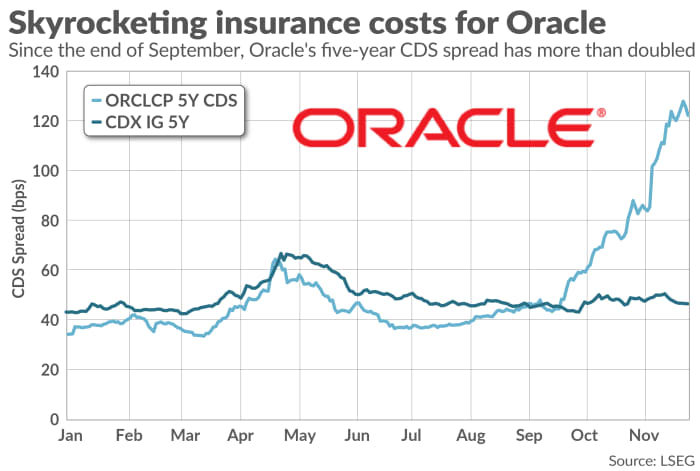
Oracle’s AI bet is a financing signal, not only a product roadmap.
Checklist for contract hygiene
- Map each AI workload to data residency and latency needs.
- Set walk-away clauses tied to price-per-inference or GPU hour.
- Track feature parity across AWS, Azure, and Oracle to prevent soft lock-in.
Oracle AI Spending and Talent Planning
Layoffs ripple through delivery timelines. Do you have coverage if an Oracle specialist leaves? Build cross-training on Kubernetes, Terraform, and SQL tuning into quarterly goals. Pair that with tabletop exercises on failover if Oracle regions wobble. But who owns the playbook when a vendor shifts priorities overnight?
Reskilling moves that stick
- Fund certifications on two clouds to keep leverage in negotiations.
- Rotate DBAs into AI ops sprints to align data quality with model needs.
- Use blameless postmortems to capture tribal knowledge before it walks.
Operational Risks Hiding in the Pivot
GPU scarcity can delay promised features, so bake schedule slack into project plans. Watch for margin padding in revised price books and push for transparency on utilization. Like in cooking, ingredients matter more than plating: your data pipelines, not Oracle’s keynote, determine AI value.
Metrics to monitor
- Time-to-provision for GPU instances.
- Cost per batch inference against baseline.
- Change failure rate after staff reductions.
Why This Matters for Governance
AI spend often bypasses normal procurement controls. Insert a review gate for any contract labeled “pilot” that uses proprietary accelerators. Include legal early because model outputs may hit regulated workflows. And do not forget audit trails for training data access (a common gap).
What Comes Next
Expect more vendors to fund AI by shrinking payroll. If you tighten contracts, spread risk across platforms, and invest in your people, you stay in control. Are you ready to act before the next earnings call pushes you into a corner?