Trump Mobile T1 Phone Branding Problems
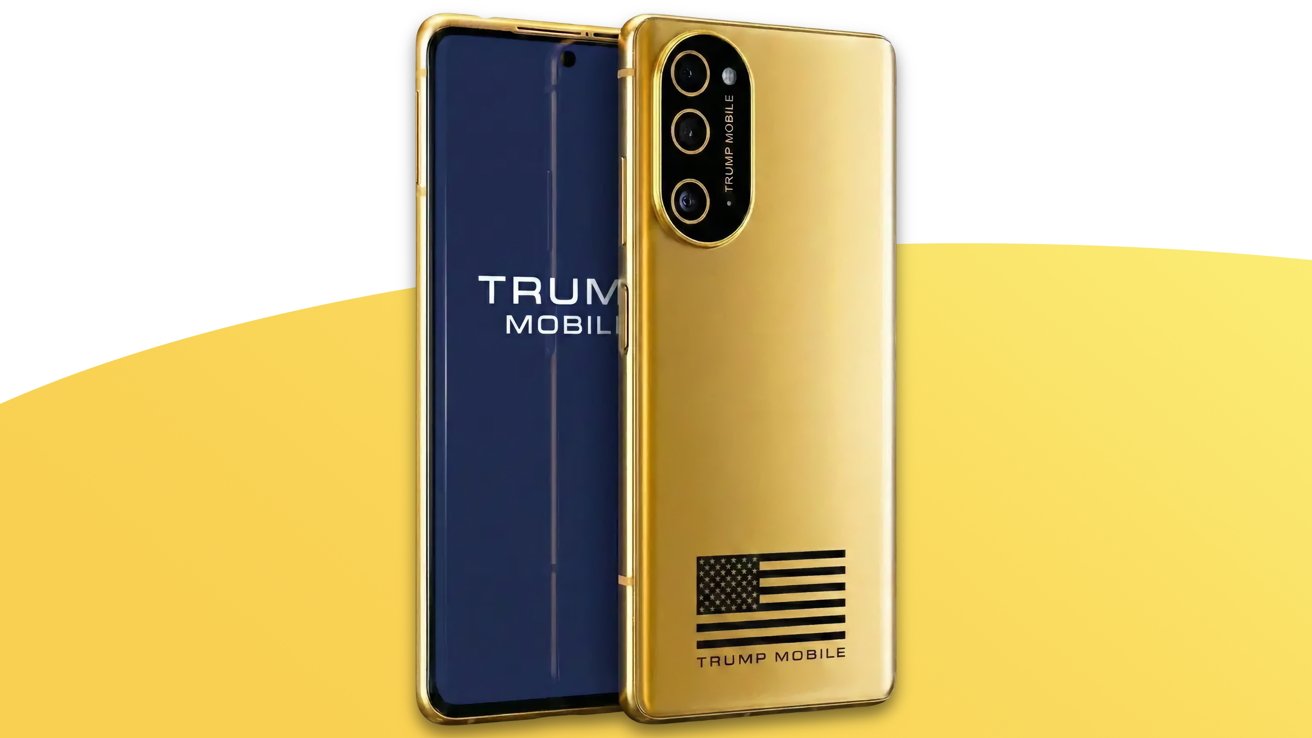
If you are trying to figure out whether the Trump Mobile T1 phone is a serious consumer product or a political souvenir, the branding makes that question harder, not easier. The Trump Mobile T1 phone arrived with loud visual signals, including a gold logo, American flag styling, and star-and-stripe details that push identity ahead of usability. That matters now because phone buyers have options, and design choices shape trust long before anyone checks specs, price, or carrier terms. A phone brand can stand out without looking messy. This one does not always clear that bar. And if the goal is mainstream appeal, the visual package may narrow the audience before the sales pitch even starts.
What stands out fast
- The Trump Mobile T1 phone branding is crowded. Multiple patriotic cues compete for attention.
- The visual identity feels more political than consumer-focused. That can energize supporters, but it can also limit broader demand.
- Good phone branding should signal quality and clarity. Here, the styling risks overpowering the product itself.
- The design raises a basic question. Is this meant to be a daily-use device or a statement piece?
Why the Trump Mobile T1 phone branding feels overloaded
The Verge’s report focuses on the phone’s logo and patriotic graphics, and the core issue is simple. The Trump Mobile T1 phone tries to say too many things at once. Gold wordmark. Flag motif. Stars. Stripes. High-contrast symbolism. Each element is loud on its own, and together they crowd the message.
Phone branding works best when a buyer can process it in a glance. Think of Apple, Samsung, or even Nothing. The visual identity is tight, readable, and easy to remember. This looks more like a campaign merch table than a disciplined hardware brand.
That is the problem.
Honestly, hardware design is a lot like restaurant menu design. If every item is bold, boxed, highlighted, and tagged as the chef’s favorite, nothing stands out. The same rule applies here. When every visual cue shouts, the product loses shape.
Does political branding help sell a phone?
Sometimes, yes. A niche product can do well if it speaks clearly to a loyal audience. There is a reason branded merchandise keeps moving in politics, sports, and entertainment. People buy identity. They do not just buy function.
But phones are not hats or coffee mugs. A smartphone is a daily tool, a long-cycle purchase, and for many buyers a practical decision tied to reliability, software support, camera quality, and network performance. That makes identity-based branding harder to pull off.
Strong branding can attract attention. Strong phone brands also need to signal competence.
Look, this is where hype usually runs into physics. You can wrap a handset in symbolism, but buyers still want to know whether it feels good in the hand, gets updates, and works without friction. If the design language screams politics while the product details stay fuzzy, skepticism is a rational response.
Trump Mobile T1 phone branding vs mainstream phone design
Mainstream smartphone makers usually follow a few non-negotiable branding rules:
- Keep the hardware clean.
- Use one or two signature visual cues.
- Let the product finish, camera layout, or interface carry the identity.
- Make branding visible, but restrained.
The Trump Mobile T1 phone branding cuts against that pattern. Instead of restraint, it leans into abundance. Instead of subtle identity, it goes for immediate allegiance. That is a valid strategic choice if the target is a narrow political consumer base. It is a weaker choice if the target is the wider smartphone market.
And that wider market is brutal. Buyers compare value fast. Carriers push deals. Android vendors fight on camera quality, battery life, AI features, and price. In that environment, branding has to reduce buyer hesitation, not add to it.
What the logo and flag styling say about the product strategy
The visual package suggests the product is being sold as symbolism first and technology second. That does not automatically mean the phone will fail. There is a long history of products succeeding because they signal tribe membership better than rivals do.
But there is a trade-off. The stronger the ideological signal, the smaller the neutral zone for undecided buyers. A person who wants a solid Android phone may see the design and move on, even before checking price or features. That is not an accident. It is the strategy talking.
Where this could still work
If Trump Mobile is aiming for a dedicated audience that wants visible political affiliation baked into the device, the branding may do its job. In a niche lane, clarity beats subtlety. The customer knows what is being sold.
Still, even niche brands need polish. Vertu, for all its excess, at least understood that luxury hardware needs visual discipline. If you want people to read premium into the device, clutter is your enemy.
What smart buyers should look past
If you are evaluating the Trump Mobile T1 phone, branding should be the start of the analysis, not the finish line. Ask the boring questions. Those are the ones that matter after week two.
- Who makes the hardware? Rebadged phones are common, and sourcing matters.
- What are the specs? Processor, display, storage, battery, and cameras still decide value.
- How long will software updates last? This is one of the biggest trust signals in phones.
- What network support exists? Carrier compatibility can make or break the experience.
- How is the phone priced against comparable Android devices? Branding does not fix weak value.
That last point matters most. If a phone asks buyers to pay extra for symbolism, it needs either premium execution or a fiercely loyal audience. Preferably both.
Why this story matters beyond one phone
The Trump Mobile T1 phone is a neat case study in how branding can overpower product design. Tech companies often chase attention because attention is measurable. Clicks, shares, reaction. But attention is not the same as trust, and trust is what moves expensive hardware.
There is also a bigger lesson for politically branded consumer tech. Once a device becomes a cultural signal, every design choice gets read as a statement. That can create free publicity. It can also trap the product inside a much smaller market than executives expected.
So what is this phone really selling? A communications tool, or membership in a movement? The answer seems obvious from the outside, and that is exactly why the branding deserves scrutiny.
The test ahead
The Trump Mobile T1 phone may still find buyers who want the message as much as the hardware. That happens all the time in consumer markets. But if the company wants to be taken seriously beyond the loyal base, the next step is not louder graphics. It is cleaner design, firmer specs, and less visual noise. Phones live or die on trust. This one has to prove it is more than a billboard.