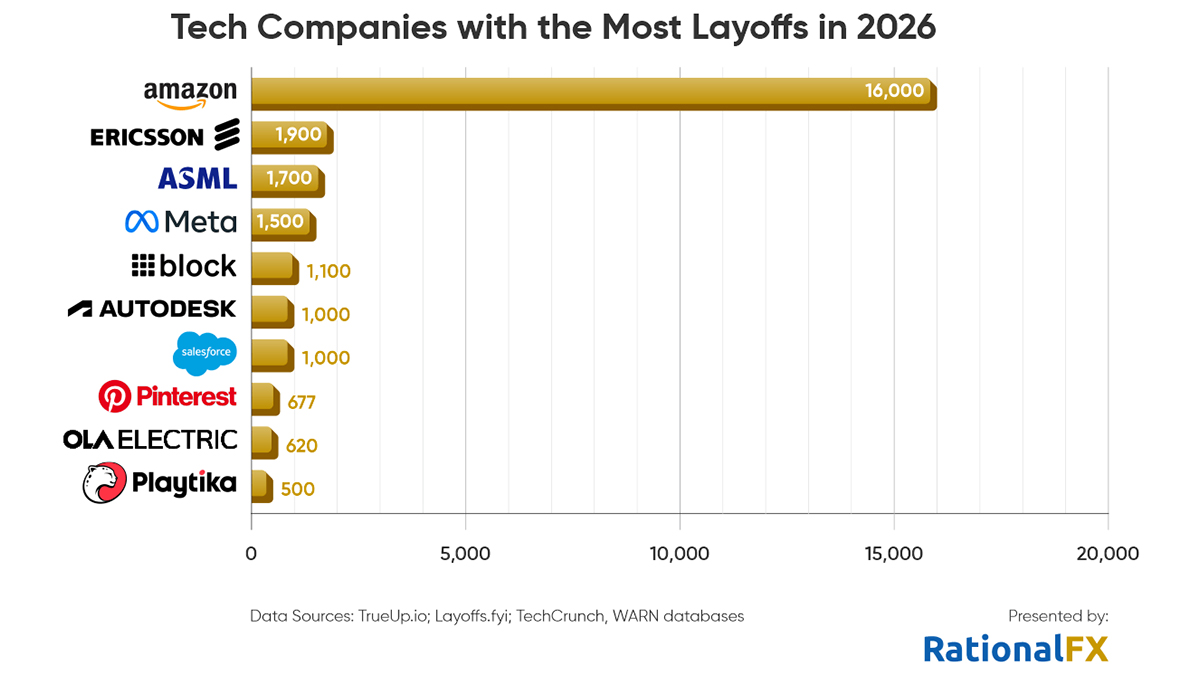
2026 Tech Layoffs: Automation’s March Shockwave
March delivered a jolt: 2026 tech layoffs climbed to 45,000, and more than 9,200 of those cuts trace directly to AI and automation. If your team relies on software revenue or platform spend, the ripple hits budgets, roadmaps, and morale. The pressure is rising because automation is no longer experimental. It is the default lever for CFOs hunting margin, and that places your role and your hiring plans under a sharper lens.
What you need to see now
- AI-linked actions drove roughly one in five March exits, setting a new monthly pace.
- Firms that over-hired in 2021–2022 are trimming mid-level roles first.
- Product, support, and ops teams feel the heaviest automation push.
- Geo rebalancing favors lower-cost hubs, not just contractors.
Why 2026 tech layoffs are accelerating
Automation savings now show up in quarterly reports, so boards reward cuts that replace human workflows with models. Look at RationalFX’s datapoint: over 9,200 roles gone because AI handles tasks that once needed full teams. This trend feels like a cold front hitting early.
Hiring freezes stack onto these cuts, freezing mobility. Who gets blindsided when hiring freezes follow? Middle managers who assumed slow churn. And because many vendors sell AI as a cost reducer, CFOs treat headcount as the quickest variable expense to pull.
“Automation has shifted from experiment to mandate, and headcount is footing the bill.”
How leaders should respond to 2026 tech layoffs
Treat workforce planning like a baseball manager rotating pitchers: keep a fresh arm ready, avoid overuse, and swap roles before fatigue shows. For tech leaders, that means mapping every role to revenue or uptime, then reshaping work so AI augments, not replaces, the humans you need most.
- Audit workflows for automation-readiness and risk of disruption.
- Retrain teams on model monitoring, data quality, and prompt hygiene.
- Shift performance goals to customer outcomes rather than output volume.
- Lock vendor contracts to clarity on data use, uptime, and rollback paths.
One single-sentence paragraph.
Where automation bites first
Support queues, content ops, QA, and routine data pulls are already model territory. If those sit in your org, assume cost pressure will land there. But product teams also face churn as AI tools rewrite code and tests faster than juniors can.
And remember the analogy: a kitchen runs smoother when prep cooks, not the head chef, handle chopping. In tech, the right automation tier should chop the repetitive work while senior engineers stay on architecture and customer problems.
Balancing speed and trust in 2026 tech layoffs
Speed without guardrails sparks outages and legal headaches. The answer is a playbook: define what can be automated, what needs review, and where humans own the final call. That clarity steadies teams during cuts and prevents shadow tools from creeping in.
But the people equation matters more. If you want talent to stay, offer visible upskilling in AI safety, incident response, and data stewardship. Provide internal rotations so high performers move to model-driven teams instead of leaving.
Signals to watch next
Track job postings that swap “engineer” for “automation lead,” monitor vendor lock-in clauses, and watch geo shifts toward nearshore hubs. Those tell you where budgets flow. And yes, scan earnings calls for mentions of “efficiency” and “headcount discipline” because those phrases often precede cuts.
If layoffs keep pacing like March, Q2 could set a tougher bar for everyone from PMs to SREs. Are you ready to defend the roles that keep your roadmap alive?
Next steps before the next wave
- Run a 30-day automation risk review on your top five workflows.
- Set a retraining budget tied to measurable role shifts.
- Create a vendor scorecard that ranks AI tools on reliability and data policy.
- Publish an internal FAQ that explains how automation decisions get made.
Plan now, and you keep control when the next earnings call demands another round of “efficiency.”