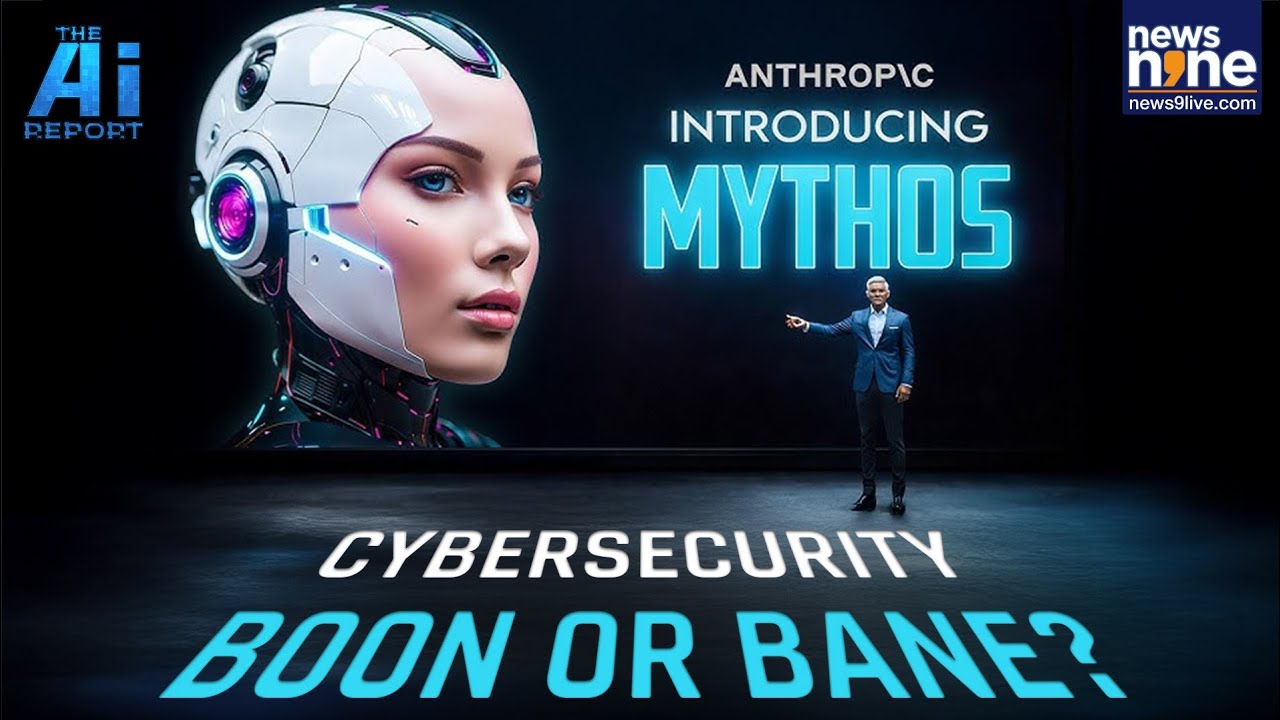
Anthropic Mythos cybersecurity reckoning now
AI firms keep shipping larger models, but the launch of Anthropic Mythos sharpens a more urgent problem: you cannot defend what you cannot see. The new model runs multi-agent orchestration, fluid context windows, and code execution hooks, which means fresh attack surfaces for enterprises already stretched thin. This is where Anthropic Mythos cybersecurity moves from theory to budget line. If Mythos routes sensitive data across toolchains, how do you audit that flow without slowing teams? In a week where phishing kits already spoof AI agents, you need a plan that matches this new scale.
That blind spot creates risk.
What stands out now
- Mythos layers agentic tools, raising cross-agent spoofing risk.
- Context windows expand data exposure for prompt injection.
- Model provenance and patch cadence become compliance items.
- Red-teaming must cover chained tools, not just the base model.
Anthropic Mythos cybersecurity basics
Think of Mythos like a soccer team suddenly allowed to swap goalkeepers mid-match. The formation looks stronger, yet each substitution invites confusion that attackers can exploit. You get powerful agent routing, but you also inherit identity verification headaches across those agents. Early benchmarks show Mythos excels at code planning, which invites command injection attempts against the tool APIs it calls. You need guardrails before rollout, not after the first incident report.
“Multi-agent AI is a supply chain, not a single box. Treat every handoff as a trust boundary.”
Who patches model chains when they start lying to each other?
Map the new attack surface
- Inventory every tool Mythos can call. Label high-risk actions like database writes or file uploads.
- Require signed tool responses so one spoofed agent cannot hijack the chain.
- Throttle external calls and log prompts verbatim to catch covert injections.
And keep red-team scripts updated with the latest injection patterns. Attackers already test with public prompts that drift around simple filters, so rotate prompts weekly. A lightweight SOC playbook that flags sudden context size jumps can reveal exfiltration attempts before they land.
Heading off Anthropic Mythos cybersecurity debt
Compliance teams will ask for model lineage and patch status. Provide a change log every time you update the model or its guardrails. Treat Mythos like any package in your SBOM, because auditors will. Shift left by embedding prompt sanitizers in the SDK layer rather than relying on user discipline. Add chaos drills that yank a tool mid-run to see if the agent recovers or spills data.
Monitoring should mirror cloud zero-trust. Bind Mythos to service accounts with least privilege. Use short-lived tokens, and rotate API keys after every incident drill. If you allow user uploads into the context window, scan for malware and secrets before the model ever sees them. Logging is your friend, but strip PII at ingest.
Incident response for Anthropic Mythos cybersecurity
Here is a quick cadence to keep on hand:
- Detect: Alerts on odd tool selection patterns or surging context sizes.
- Contain: Kill active agent runs that hit blocked domains.
- Eradicate: Rotate keys, purge cached contexts, and retrain filters on the offending prompt family.
- Recover: Restore validated tool configs and run a short postmortem within 24 hours.
(Do not forget user comms; people trust clear timelines more than vague reassurances.)
What good looks like
Mature teams already treat LLMs as untrusted interpreters. They sandbox tool outputs, force typed contracts, and ban direct shell calls. They also run monthly tabletop drills that assume prompt injection succeeds. The goal is not perfection. It is to shorten the time from weird output to controlled shutdown.
Where this heads next
My read: Mythos will push vendors to ship agent-aware firewalls and tighter model attestations. Enterprises that start with least privilege and honest logging will adapt. Those who bolt Mythos into production without a playbook will scramble. Will you wait for the first breach to budget for this, or set the rules while you still can?