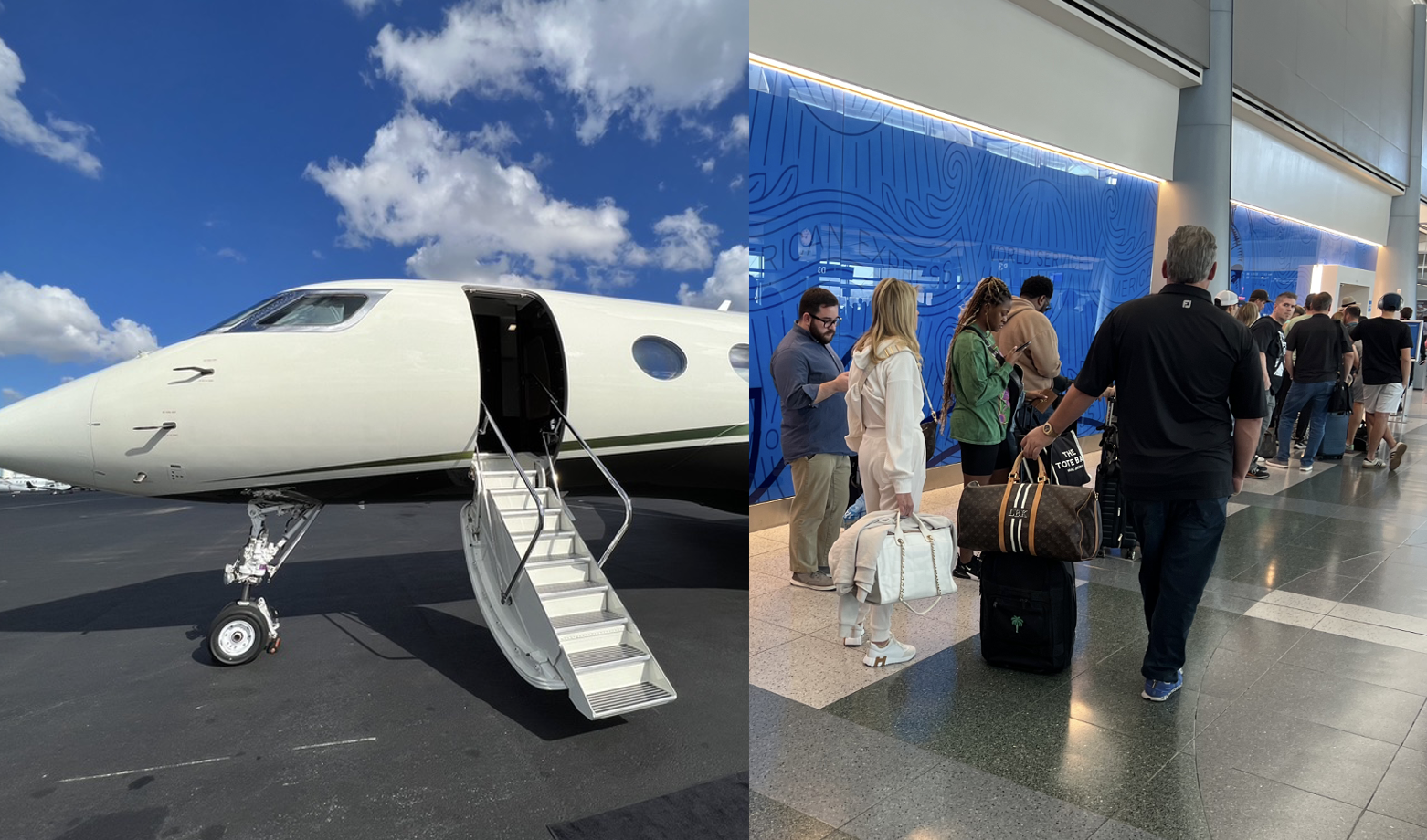
Private jets after the pandemic: Why demand won’t slow down
Commercial cabins are full again, but private jet bookings remain high. If you run a business or you are a wealthy flyer, you are staring at a market where charter prices rose after lockdowns and never quite fell back. That stability matters because private aviation is no longer a crisis stopgap. It is a fixture, and the climate bill is growing alongside it. That tension between convenience and carbon is the real story behind today’s private jet boom. The question is whether policy or technology can tame it before the next demand spike.
What keeps private jets busy in 2024
- Corporate travel managers say schedule control trumps higher charter rates.
- Ultra-wealthy leisure flyers shifted from first-class to fractional ownership and stayed there.
- Slots at major hubs are tight, making smaller airports more attractive.
- Newer light jets cut per-hour costs, widening the customer base.
Private jets now account for a solid slice of business travel spend, yet their per-passenger emissions still dwarf commercial flights.
mainKeyword: private jet demand
Here’s the thing: private jet demand is behaving like a sticky subscription, not a pandemic blip. Operators report that clients who bought jet cards to dodge commercial chaos are renewing even as airlines add capacity. And younger founders treat charters as a time hack, not a luxury splurge. Think of it like moving from public transit to a leased car after a transit strike: once you taste the control, it is hard to go back.
Carbon accounting tells a different story. A single hour on a midsize jet can emit two tonnes of CO2. Multiply that by the surge in movements across Europe and the US and you get a seismic climate tab. And regulators are watching.
Costs that buyers underestimate
Charter ads push hourly rates, but the line items pile up. Fuel surcharges track oil prices. Crew repositioning adds deadhead miles. Peak-day premiums can spike 20%. If you buy a fractional share, you inherit maintenance reserves, upgrade cycles, and insurance. It feels like owning a sports car: the sticker is only the start.
How regulation could shift the market
France already floated higher taxes on short private hops. The EU is debating stricter reporting on business aviation emissions. The UK is expanding its Emissions Trading Scheme coverage. If these policies land, operators will face higher per-leg costs and pressure to adopt sustainable aviation fuel (SAF). Will that change behavior? Not overnight. But it sets a path.
Technology’s slow but real impact
Electric and hybrid aircraft prototypes grab headlines, yet certification remains years away. SAF can shave lifecycle emissions today, but supply is scarce and prices are double kerosene. Still, the industry cannot dodge tech. Expect more efficient turbofans, lighter cabins, and stricter data on empty legs so operators can consolidate flights the way ride-hailing apps pool cars.
What buyers should do now
- Audit your travel patterns. Does private solve missed connections or executive security? Know the why.
- Compare models: on-demand charter, jet cards, and fractional shares carry different fixed costs.
- Ask operators for SAF options and emissions data per leg.
- Book with flexible routings to trim deadhead miles.
One sentence that stands alone.
Honestly, private jet demand will not crater unless commercial travel becomes radically more reliable. The convenience premium is a powerful drug. But the carbon math is unforgiving, and regulators will eventually price it in. Are you ready for that bill?
Where this heads next
If corporate boards start tying executive travel to sustainability targets, the sector will need transparent emissions dashboards and better offsets. That is the next battleground. Forward-looking operators that publish real data and offer credible SAF blends will keep their edge. Everyone else risks being grounded by policy, not by a lack of customers.