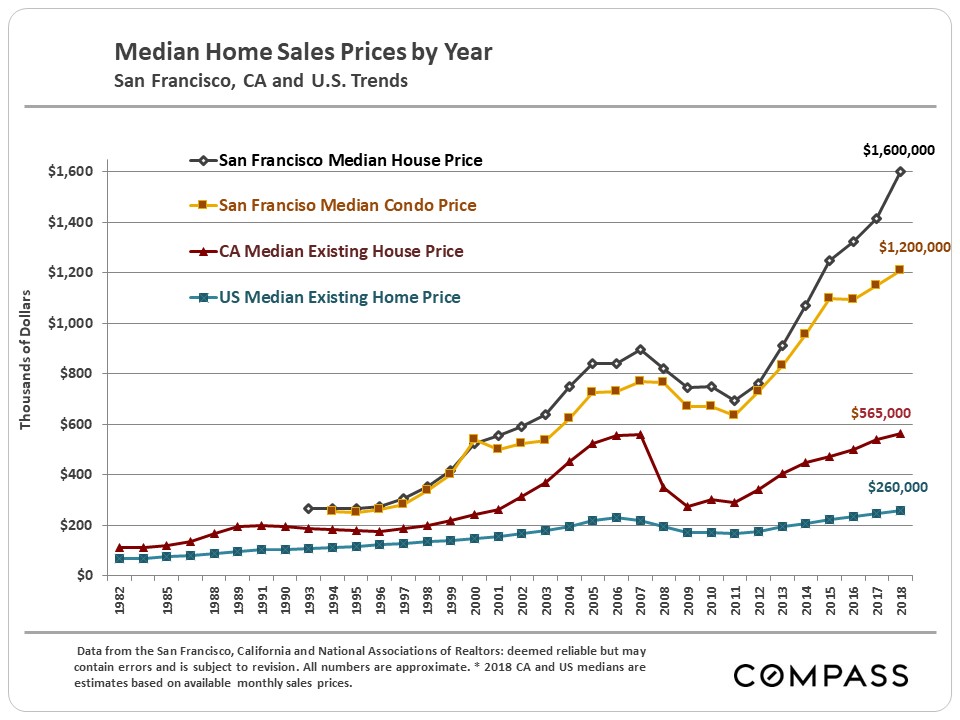
San Francisco House Prices Surge on AI Hiring Frenzy
San Francisco house prices are blasting past old records, and you feel the squeeze whether you are buying, selling, or trying to keep a lease. The city just hit a $2.15 million median sale price thanks to an AI hiring boom that keeps importing high-salary engineers and founders. Rents follow the same arc. That matters because each bidding war resets comps, nudging taxes, appraisals, and expectations higher for everyone. You need a clear playbook to move in this market without burning cash. The tech story is loud, but the numbers on your mortgage statement are louder. So what do you do next?
Quick hits buyers keep asking
- Median sale price: $2.15 million, a record fueled by AI payrolls.
- Inventory sits tight, which intensifies every open house.
- Cash offers are common near AI hubs like Mission Bay and SoMa.
- Prop tax bumps trail rising comps, so owners feel it too.
- Remote workers returning to offices add more competition.
San Francisco house prices: why the spike
AI firms are stacking headcount faster than housing permits grow. Companies expanding along the Caltrain corridor keep engineers close to the office because product cycles are brutal and in-person sprint weeks are back. Who wants to commute two hours when AI firms are paying top dollar nearby? The result is a classic supply squeeze. Builders face zoning battles and long approvals, so new inventory lags demand by years. Imagine a crowded basketball court where ten players fight for one rebound. That is today’s open house.
Cash-heavy buyers tilt the field. Founders with fresh raises drop contingencies, and that sets new benchmarks for appraisers. One bidding war can set a new neighborhood record.
AI hype grabs headlines, but limited housing stock is the lever that keeps prices pinned high.
Neighborhoods feeling the heat
Mission Bay condos benefit from proximity to biotech and AI research labs. Noe Valley single-family homes attract dual-income tech families who want good schools and a fast shuttle to downtown. Outer Sunset sees spillover as buyers accept fog for a smaller price gap. Each pocket follows the same pattern: tight listings, quick closes, little room for inspection requests.
How to navigate San Francisco house prices as a buyer
- Get fully underwritten before you tour. Pre-approval is not enough against cash bids.
- Target listings that sit past 21 days. Some sellers misprice early, then soften.
- Bid on homes needing cosmetic updates. Most AI transplants want turnkey; you can win by accepting paint and flooring projects.
- Use a local agent who tracks micro comps street by street.
- Cap your escalation clause. A budget guardrail prevents a regretful overbid.
Consider floating-rate loans if you expect a refi window in the next two years, but do the math with worst-case payments. Look, lenders will push products that close fast. You still control the math that protects your savings. (Do not skip a full inspection just because the listing is shiny.)
Playing offense as a homeowner
You are not just a spectator. Rising San Francisco house prices give you leverage. If you plan to stay, lock a property tax review after any big downturn to avoid overassessment. Thinking of selling? Time the listing around major AI conference weeks when out-of-town buyers visit. Upgrade energy efficiency before staging. Buyers chasing AI salaries also chase lower monthly utility costs, and that can separate your listing.
For landlords, keep lease renewals tight and clean. Offer small concessions like fresh paint or faster internet to retain stable tenants rather than gamble on a vacancy in a choppy macro backdrop.
What renters can do in a $2.15 million market
Rents track sale prices with a lag, so start early. Tour units midweek when competition is lighter. Ask about small breaks like free parking for a month instead of headline rent cuts. And push for flexible terms if your employer might shift you between office days and remote weeks. Think of it like adjusting a recipe: small tweaks can change the whole flavor.
The road ahead for San Francisco house prices
Expect volatility. A hot IPO window or another wave of AI venture checks can pump demand quickly. A credit crunch could cool it. Policy shifts on zoning, transit, and office-to-residential conversions will matter more than press releases. And if remote work swings back, pressure could ease on core neighborhoods while pushing demand to the North Bay and Peninsula.
Count on tight supply for at least the next few years. That is the non-negotiable reality until construction pipelines catch up or hiring slows.
Final thought on a shifting market
San Francisco house prices will not drift lower just because buyers wish them to. They will move when supply, credit, and job growth change in tandem. If you stay alert, keep your numbers honest, and watch the policy battles, you can make a smart move instead of a rushed one. Are you ready to decide before the next open house crowd shows up?